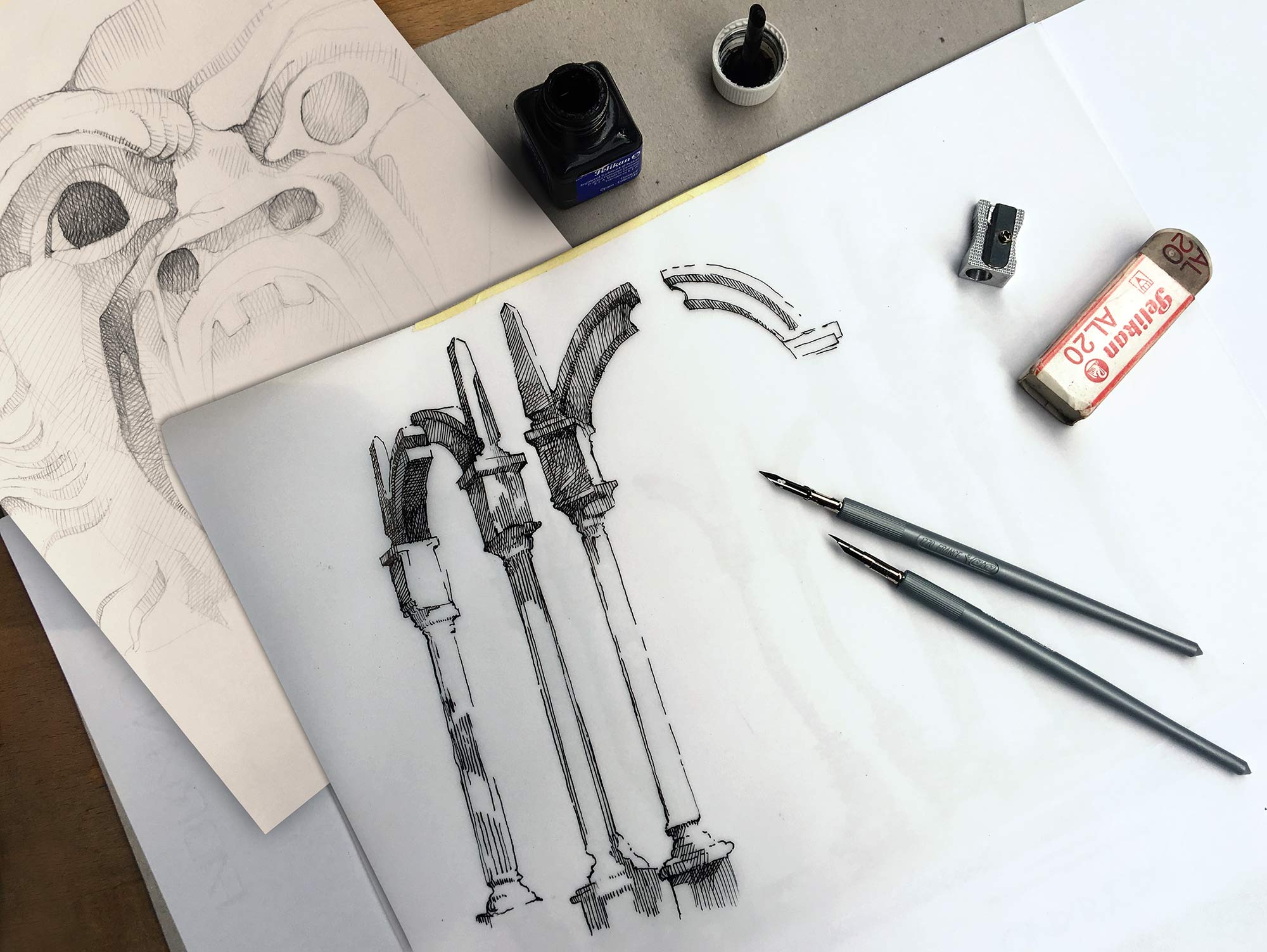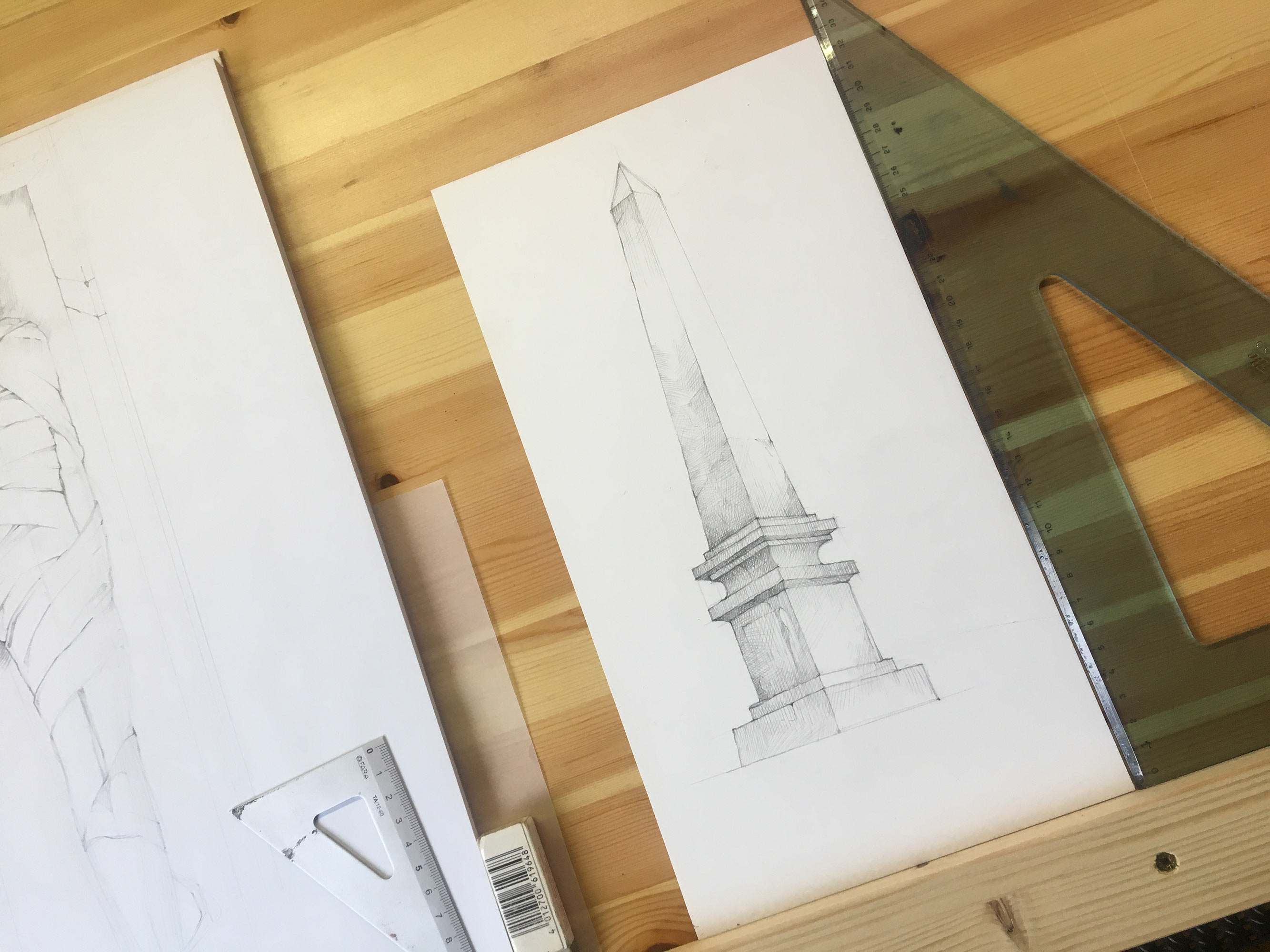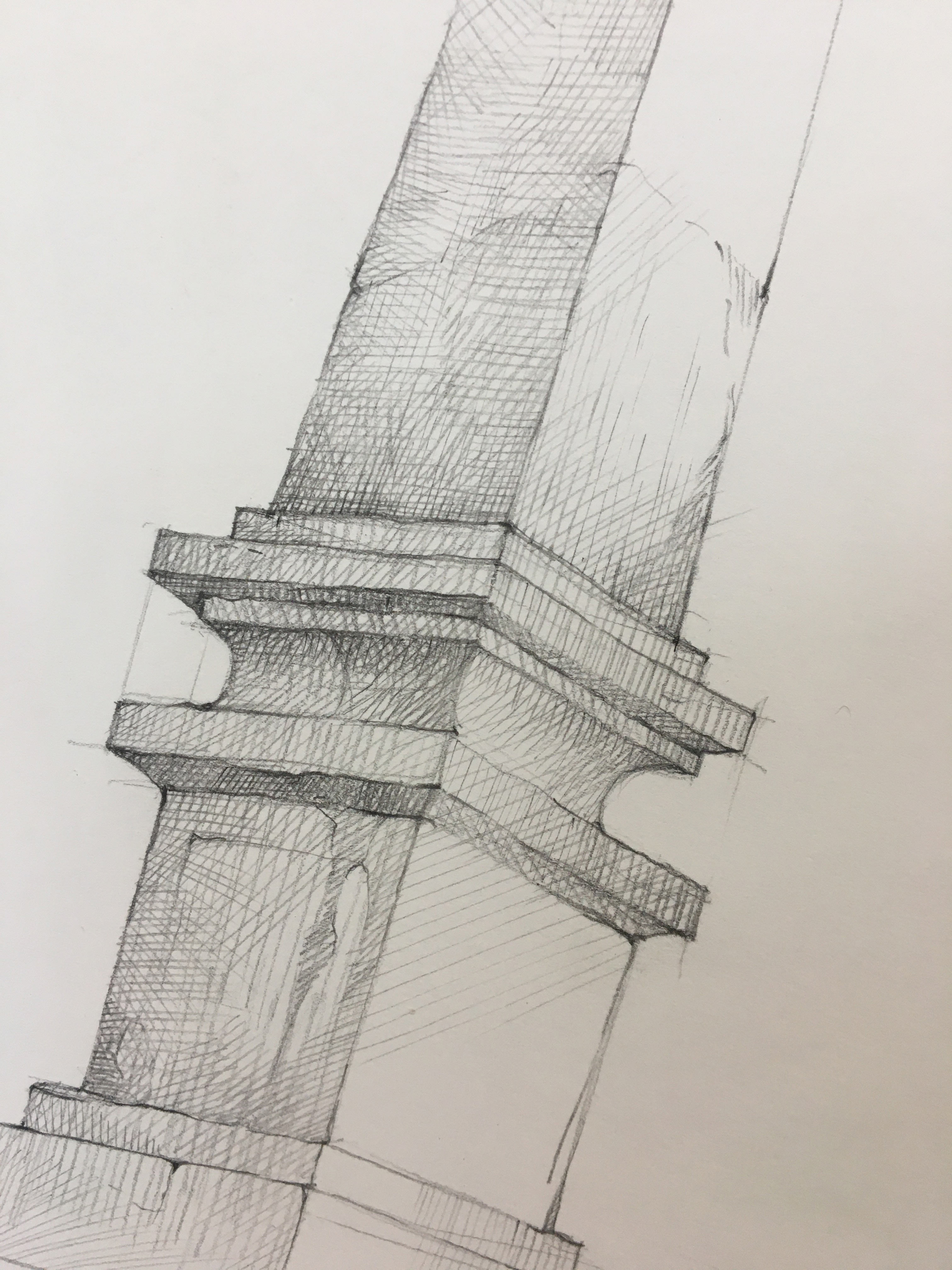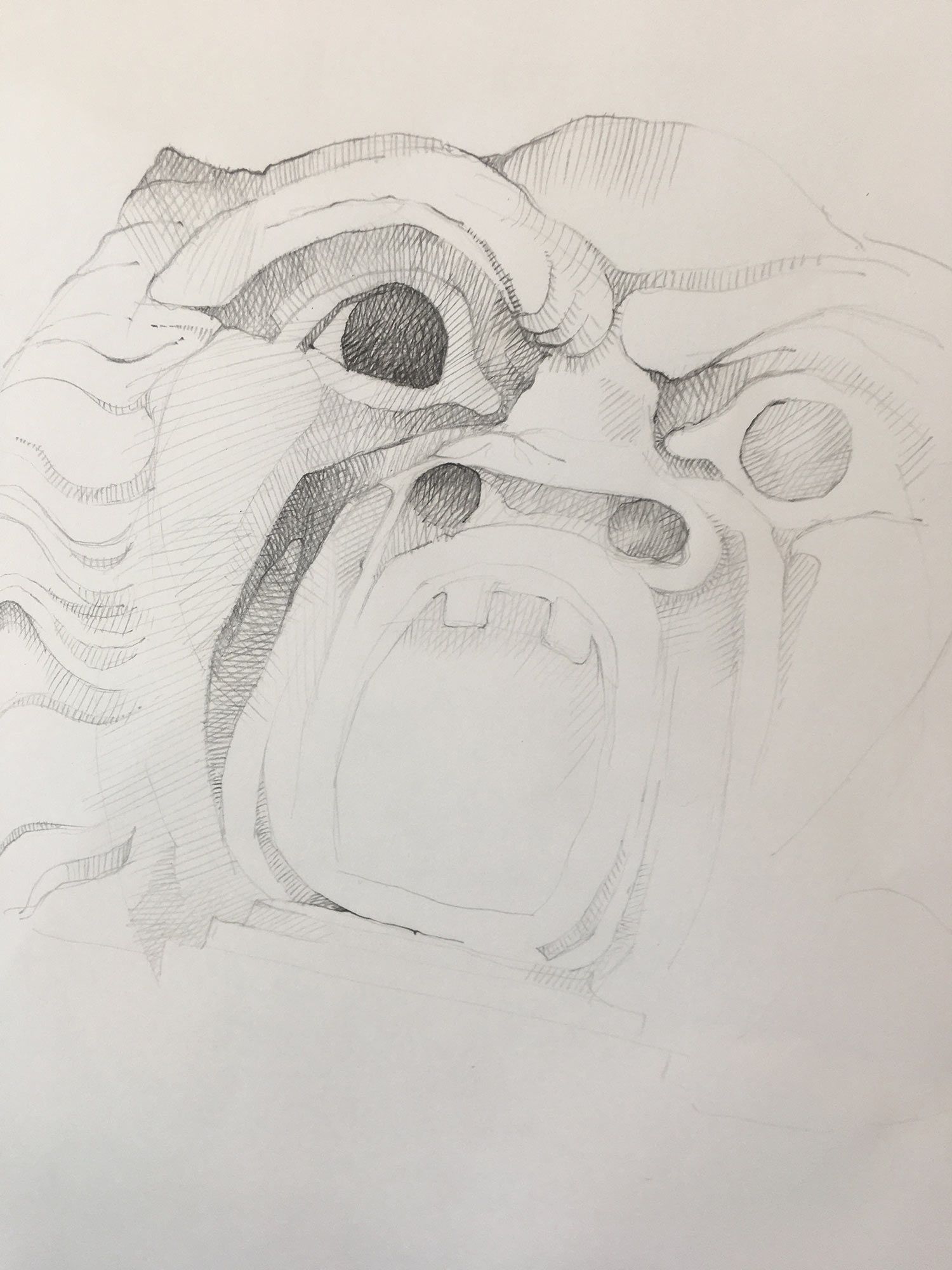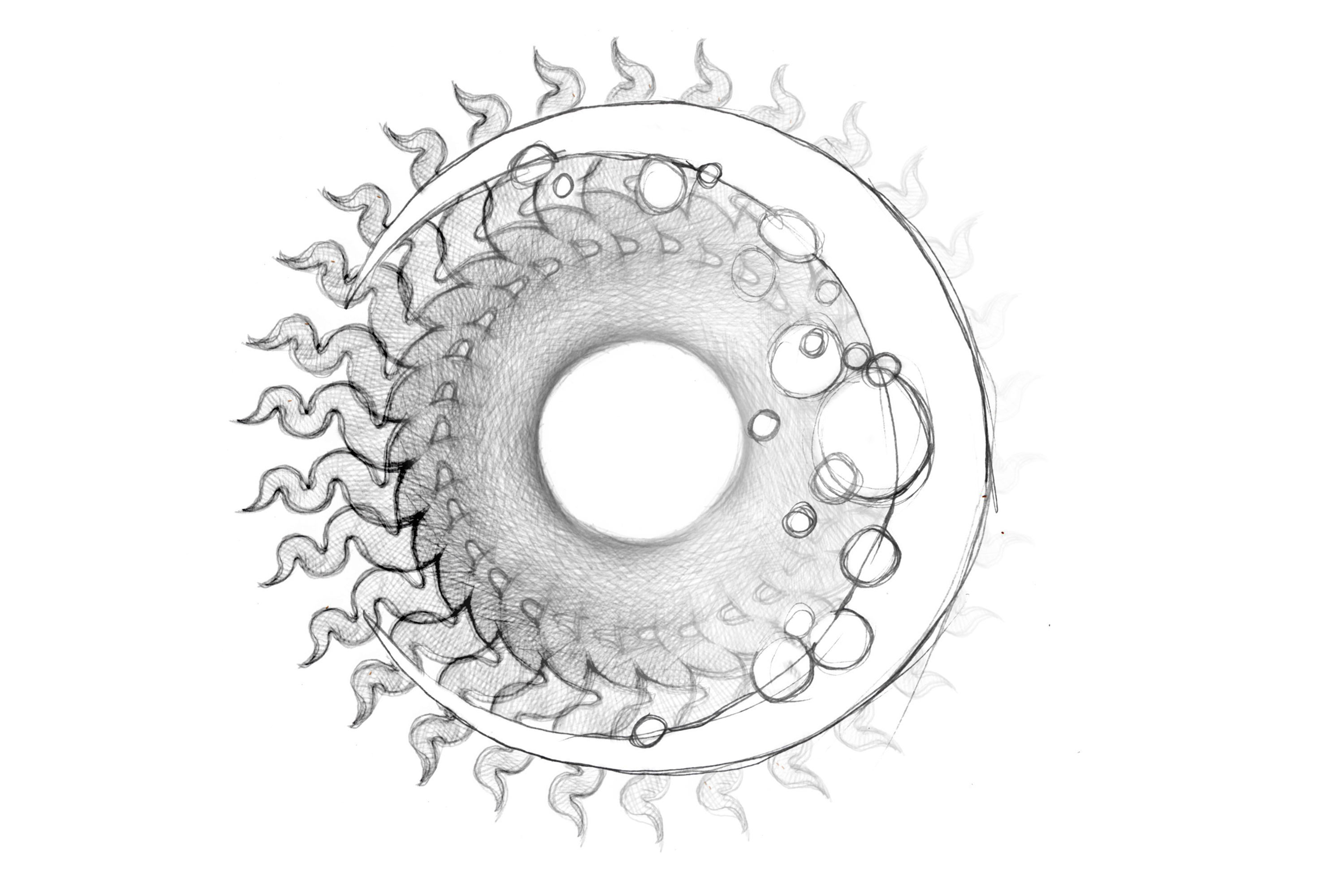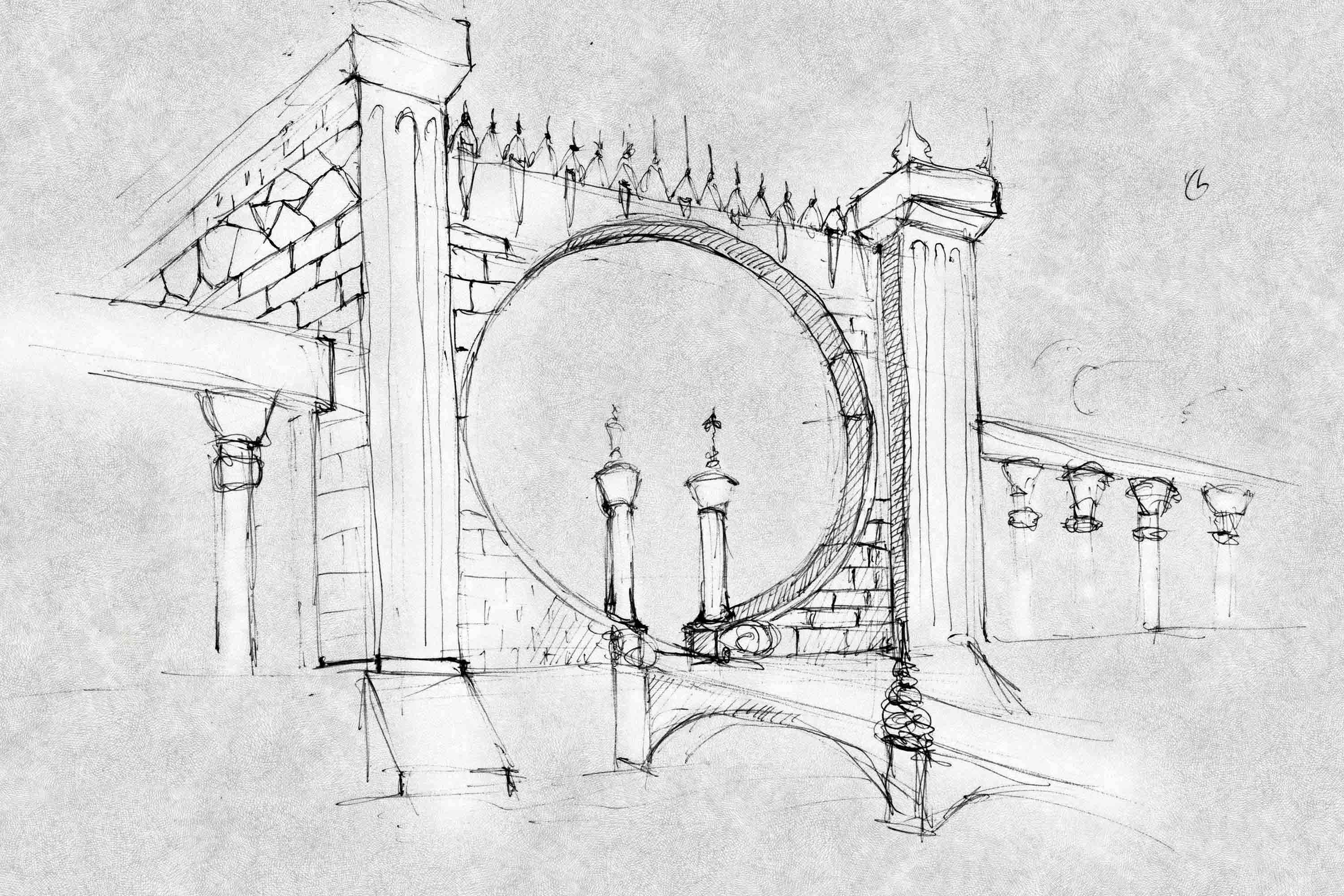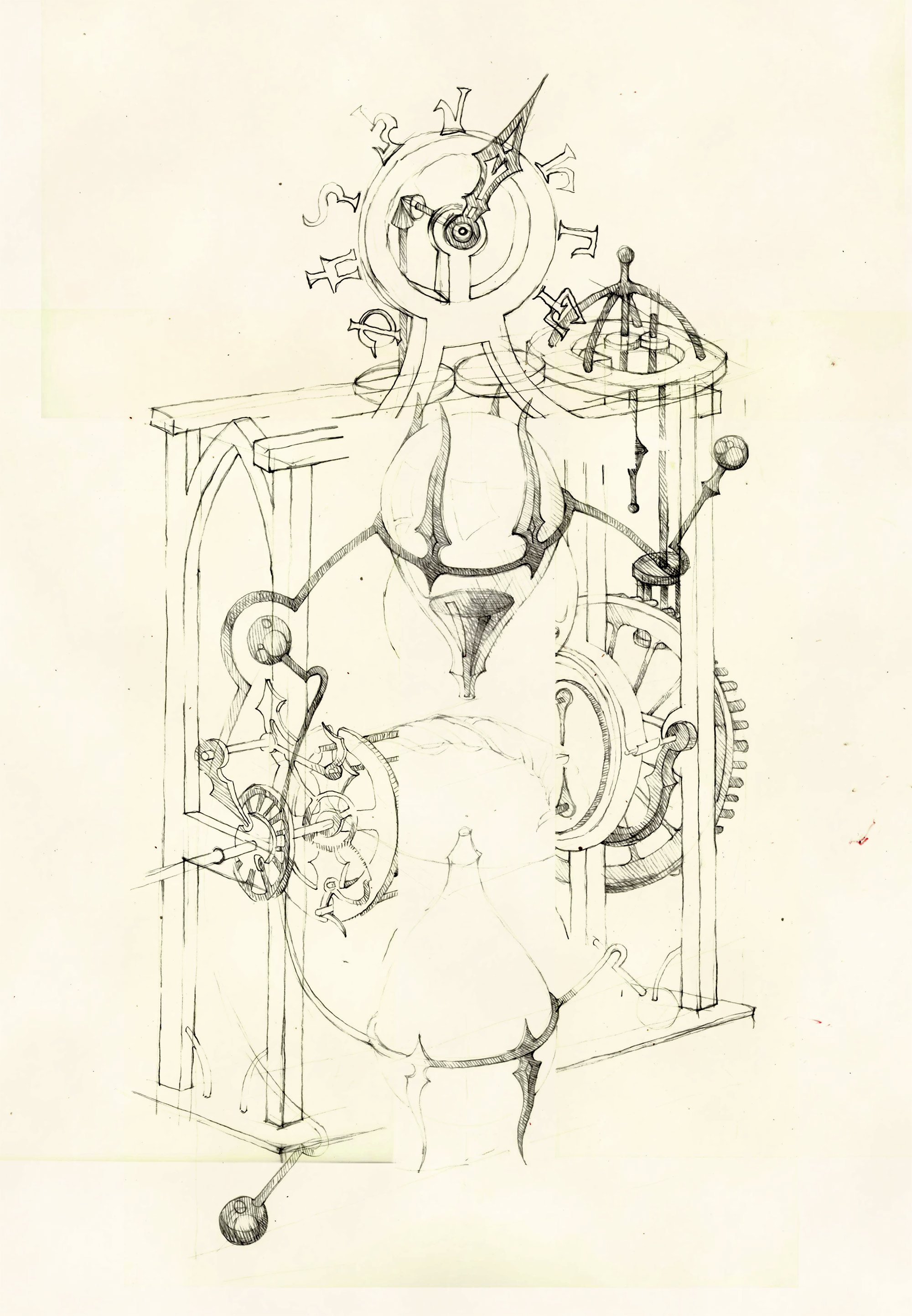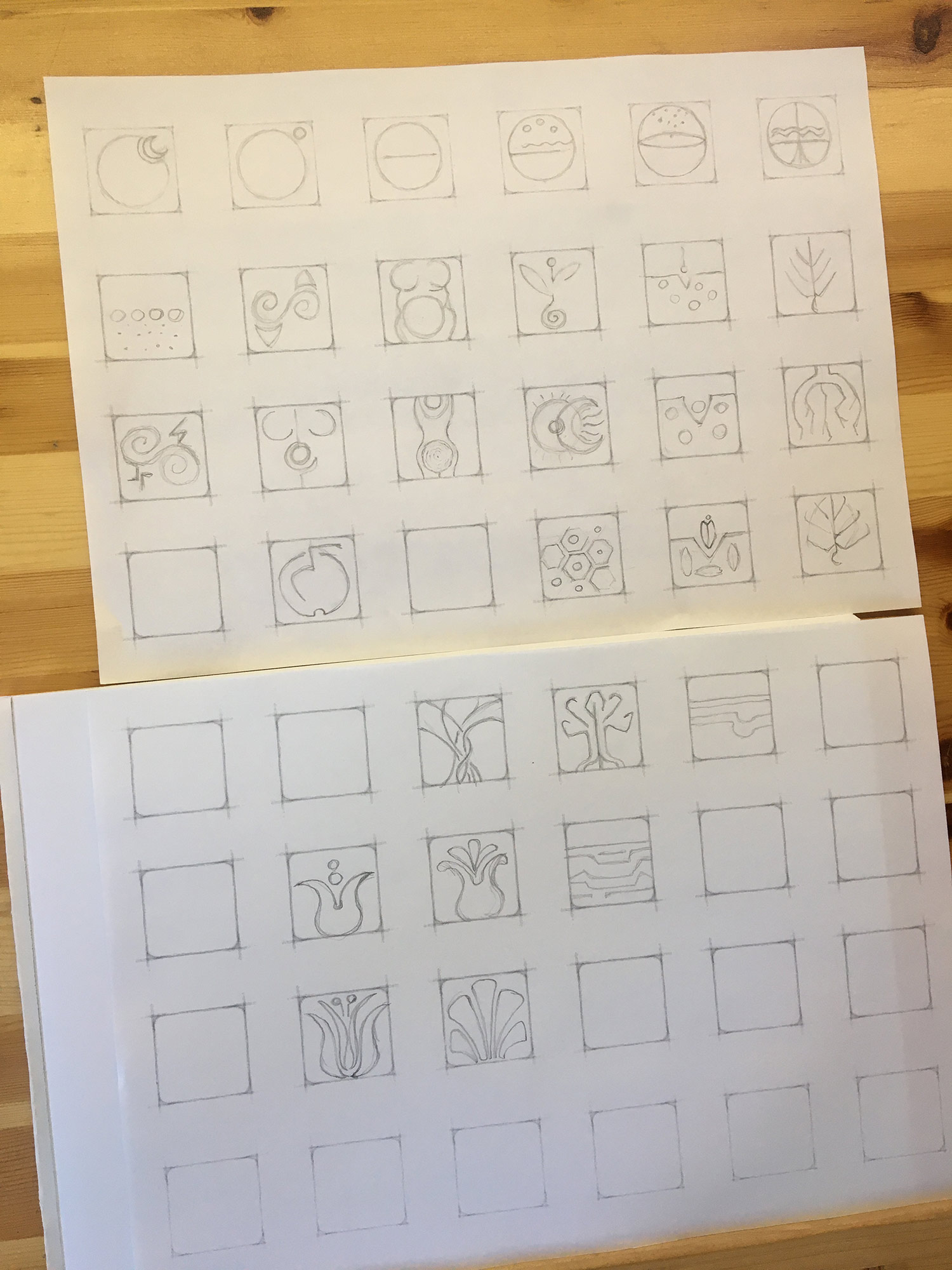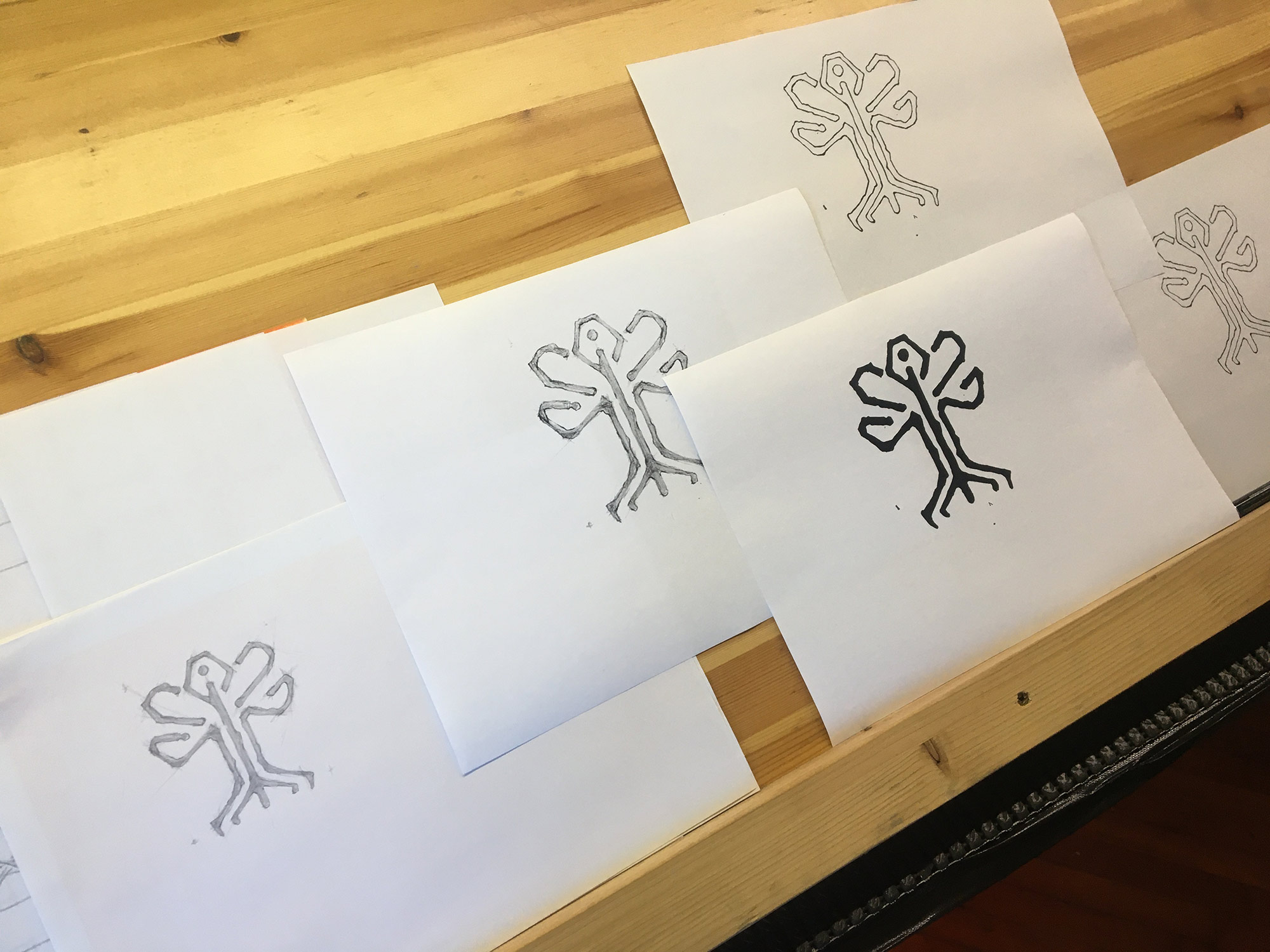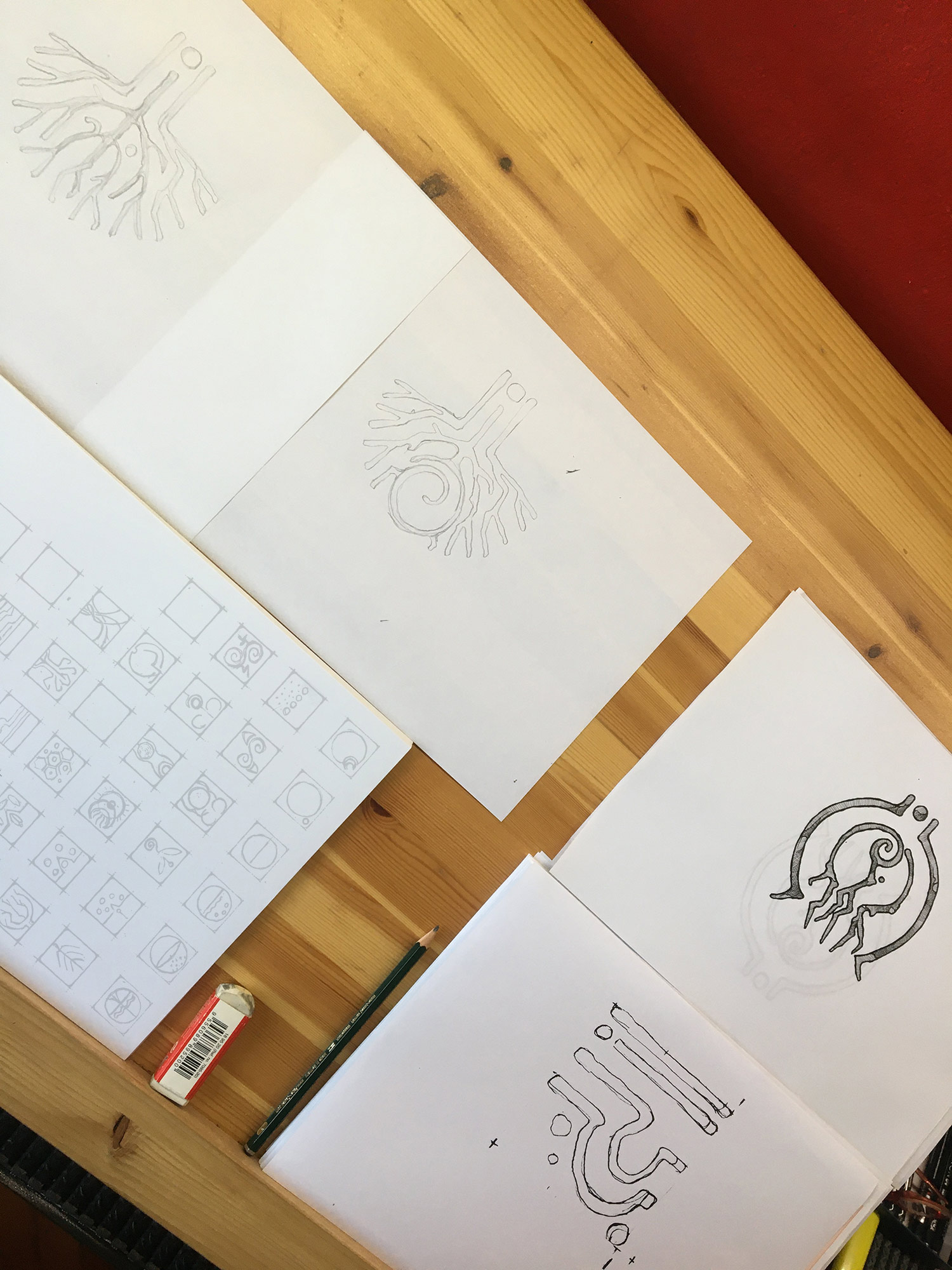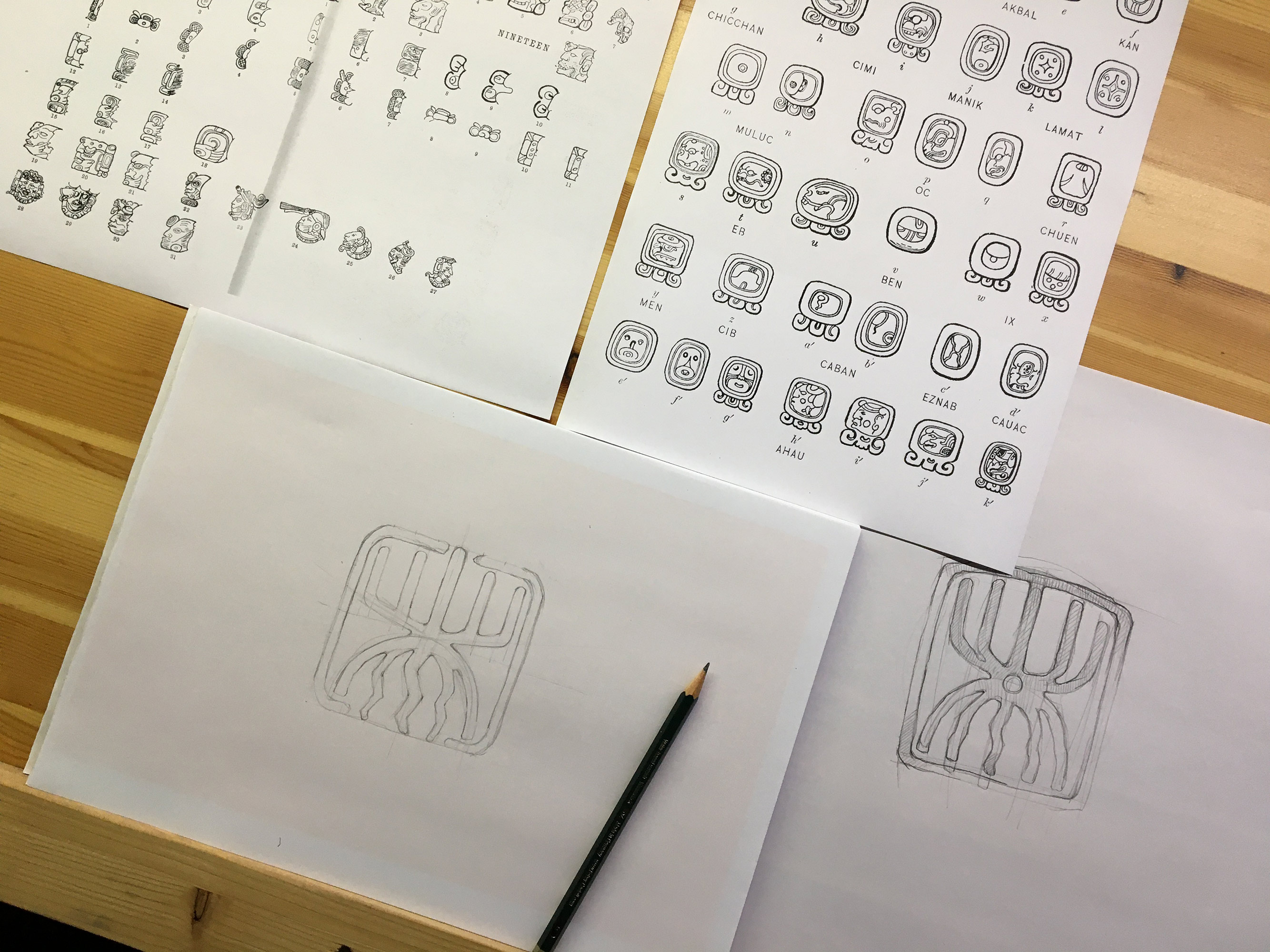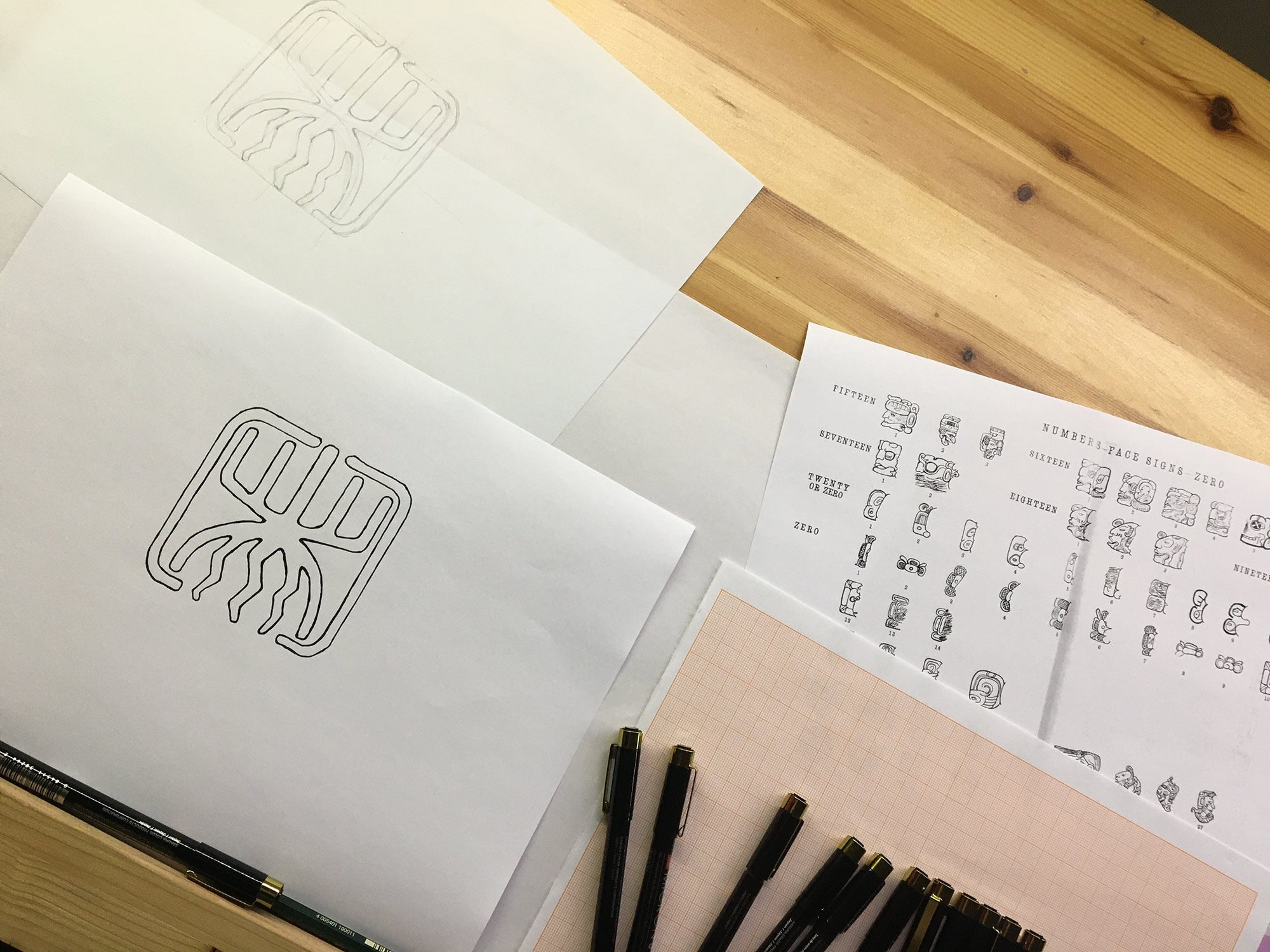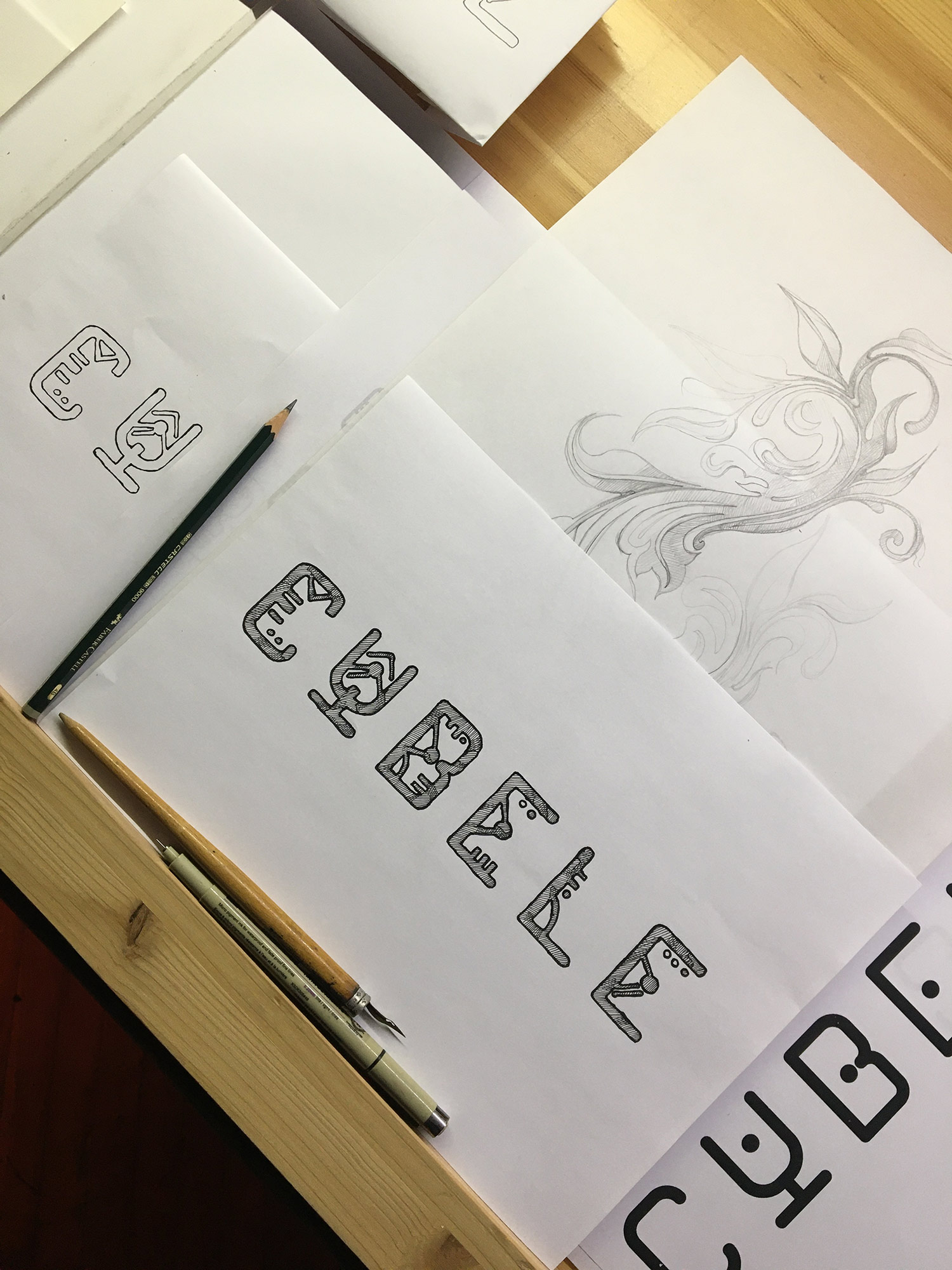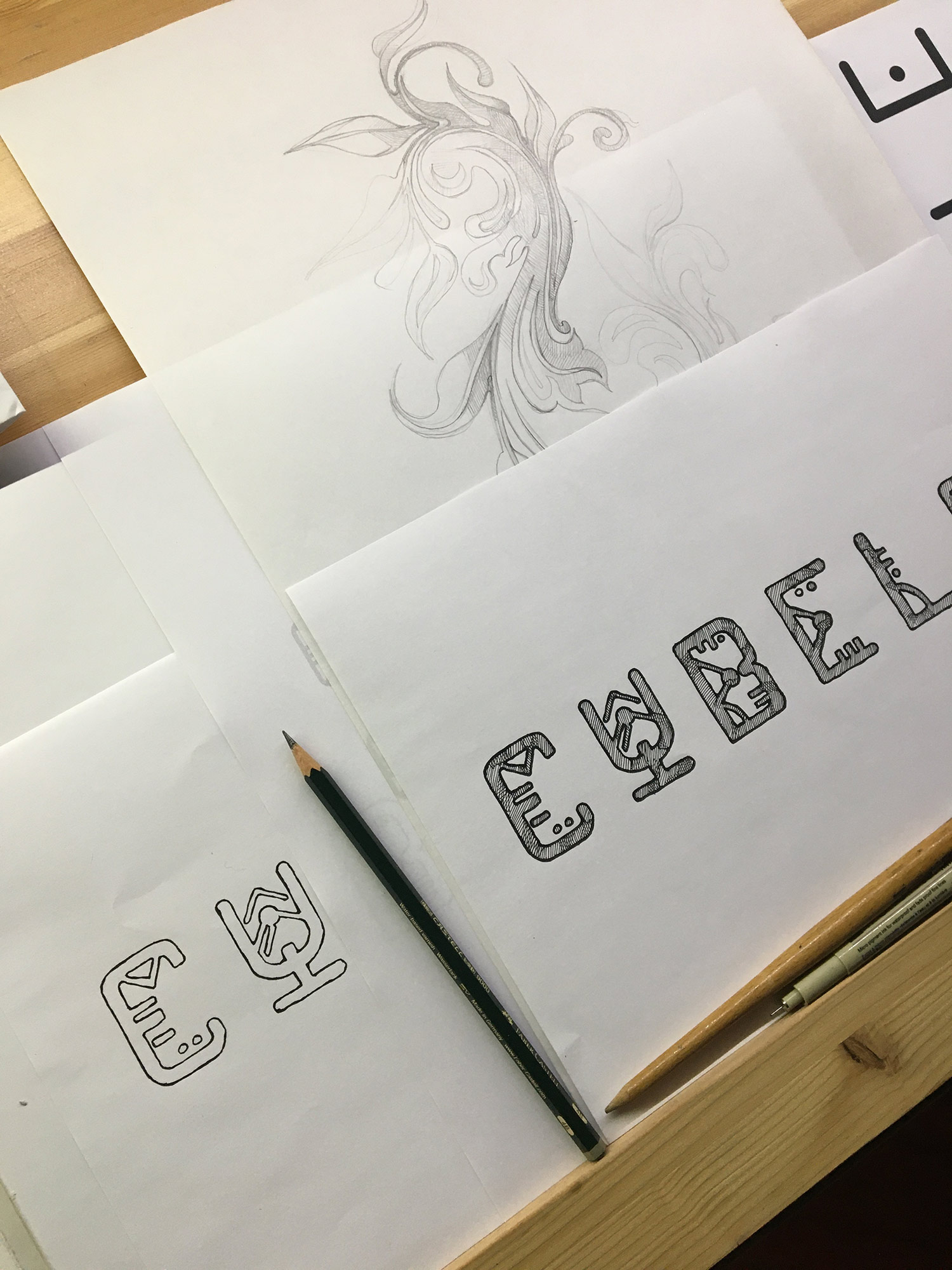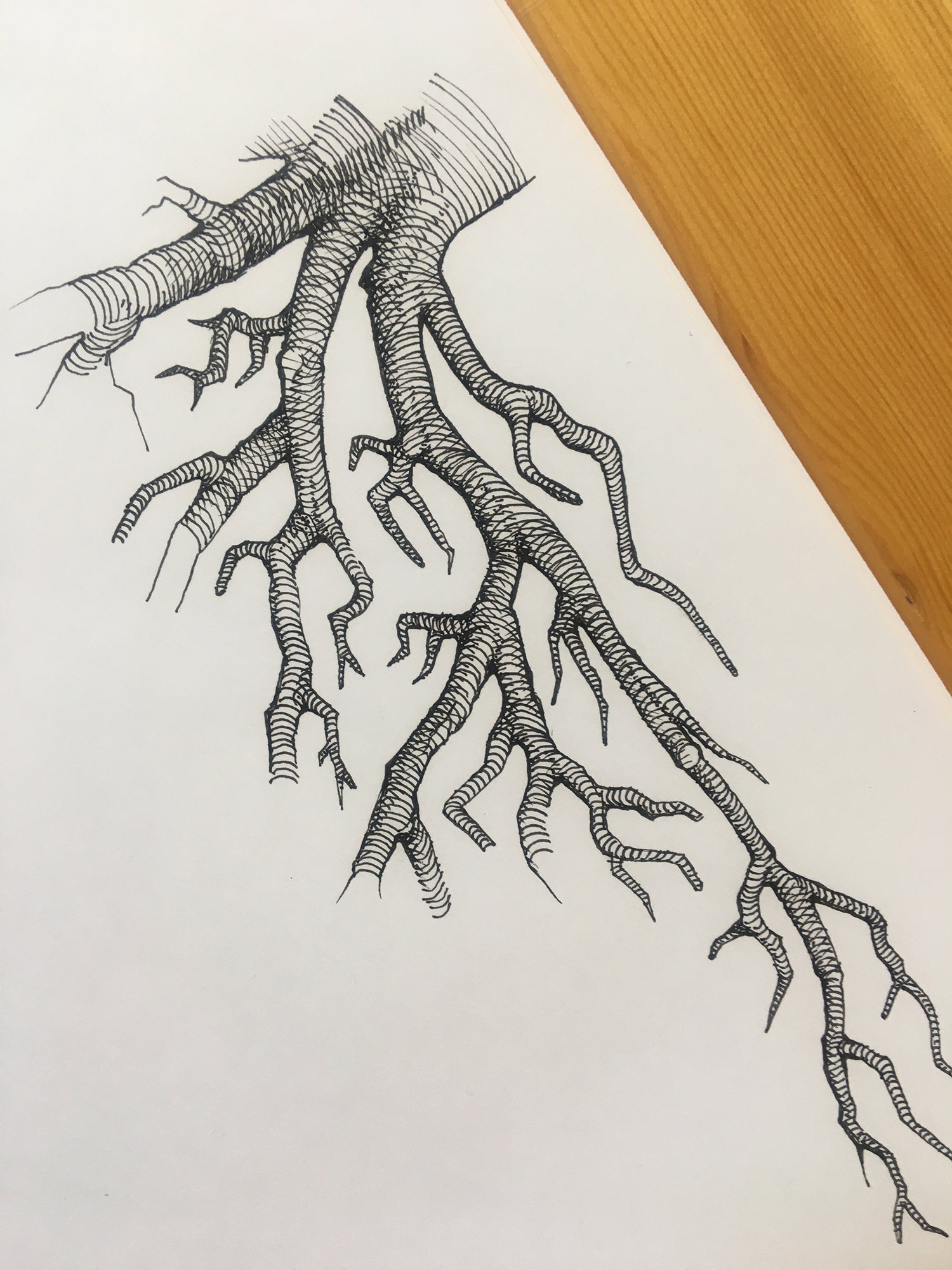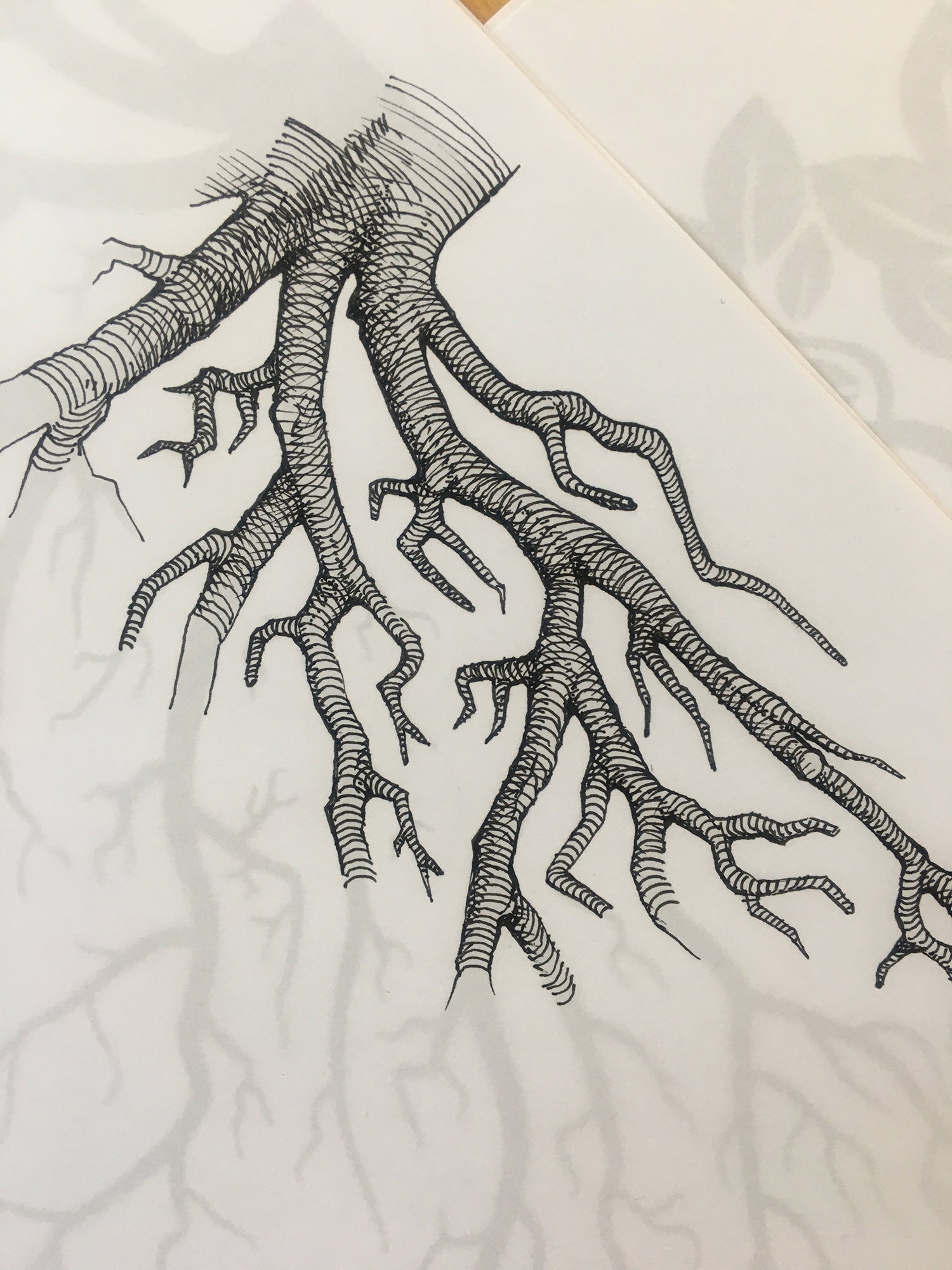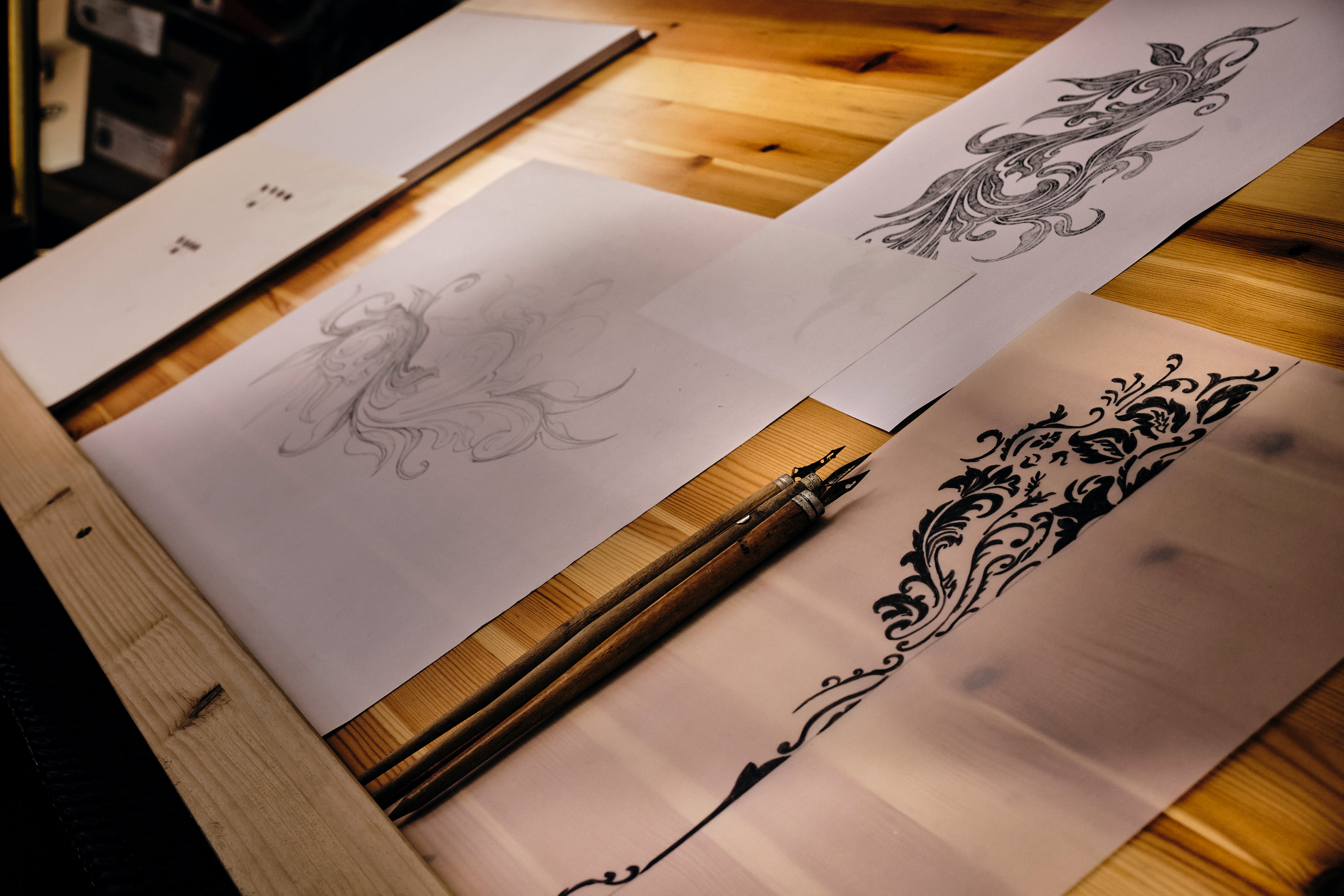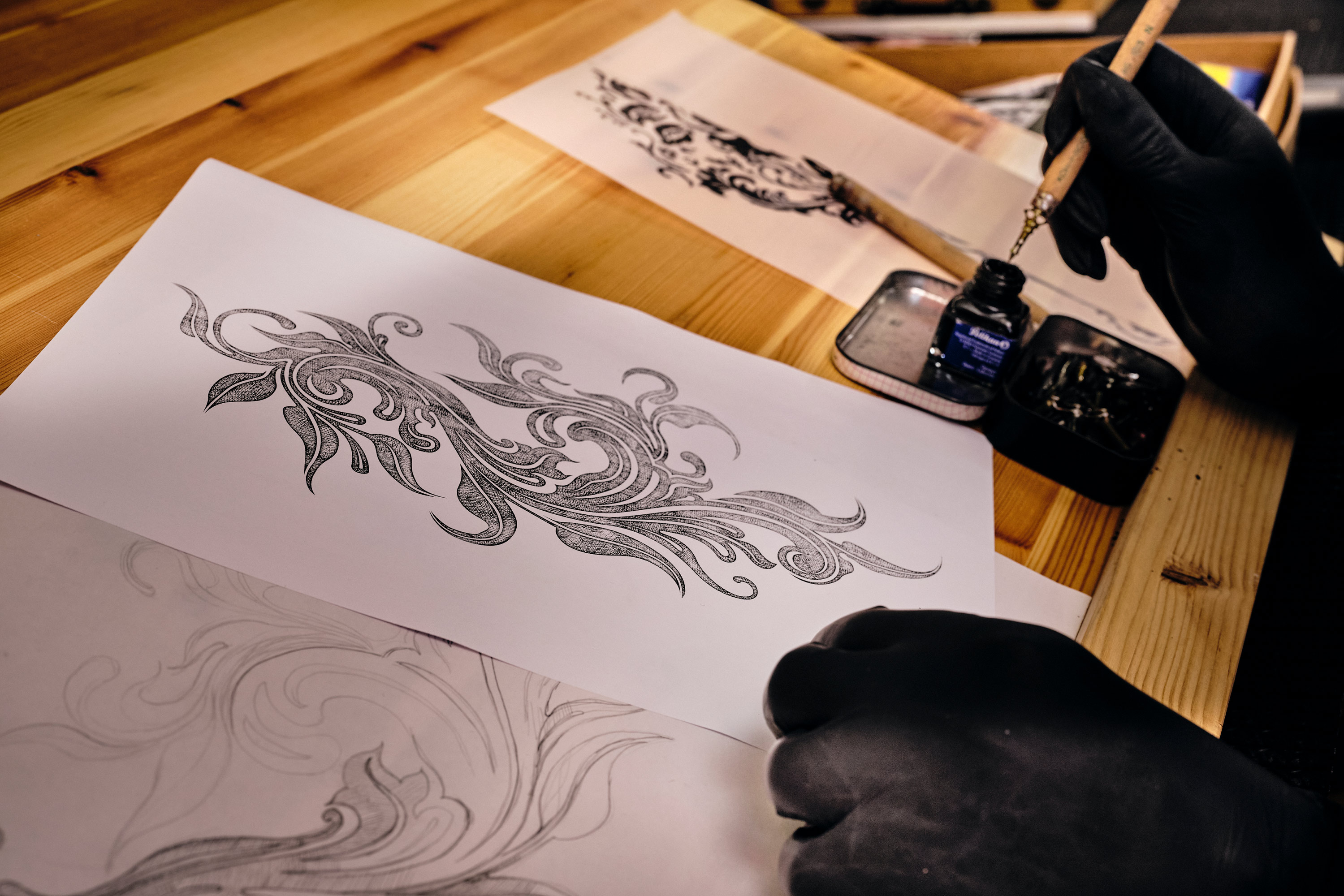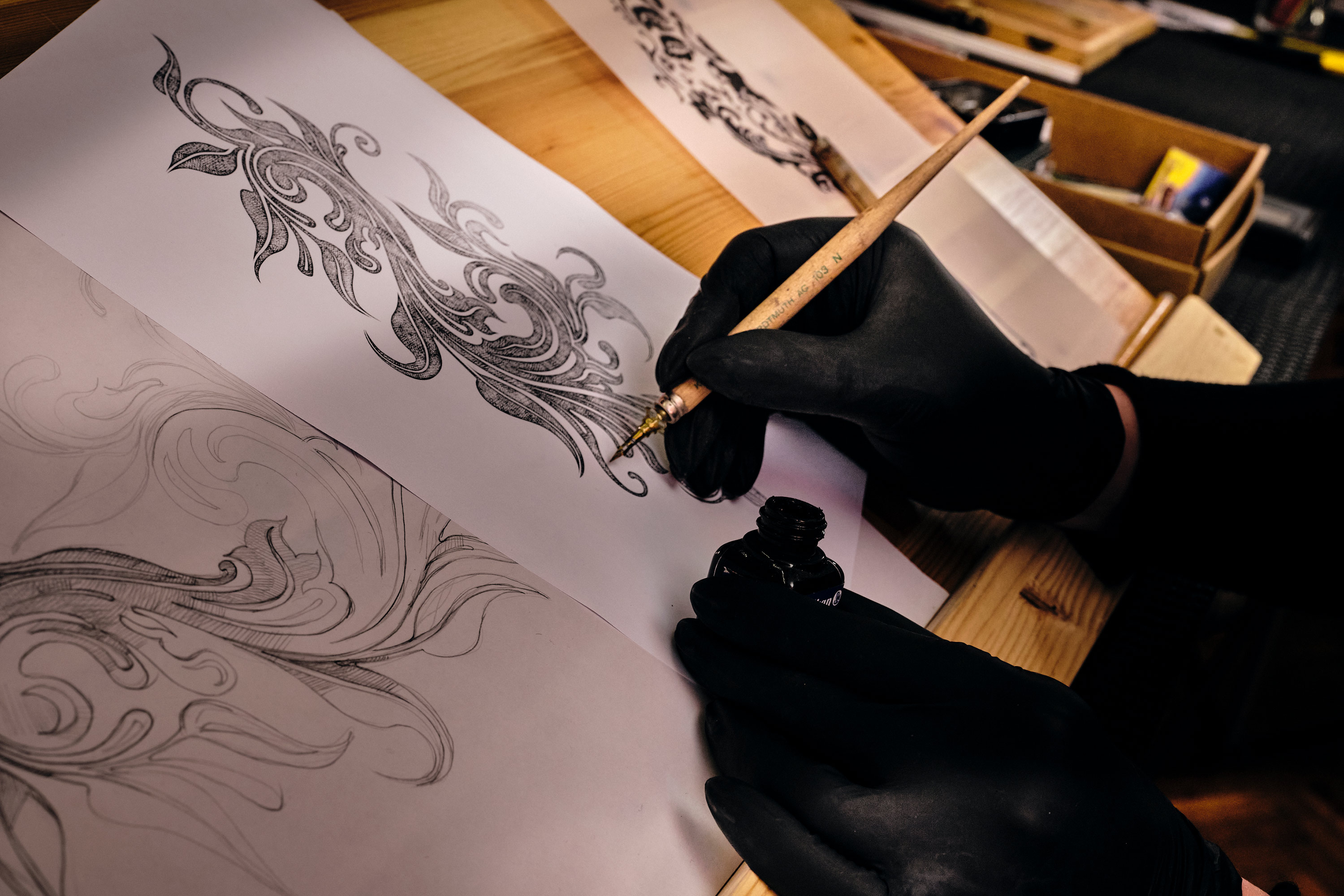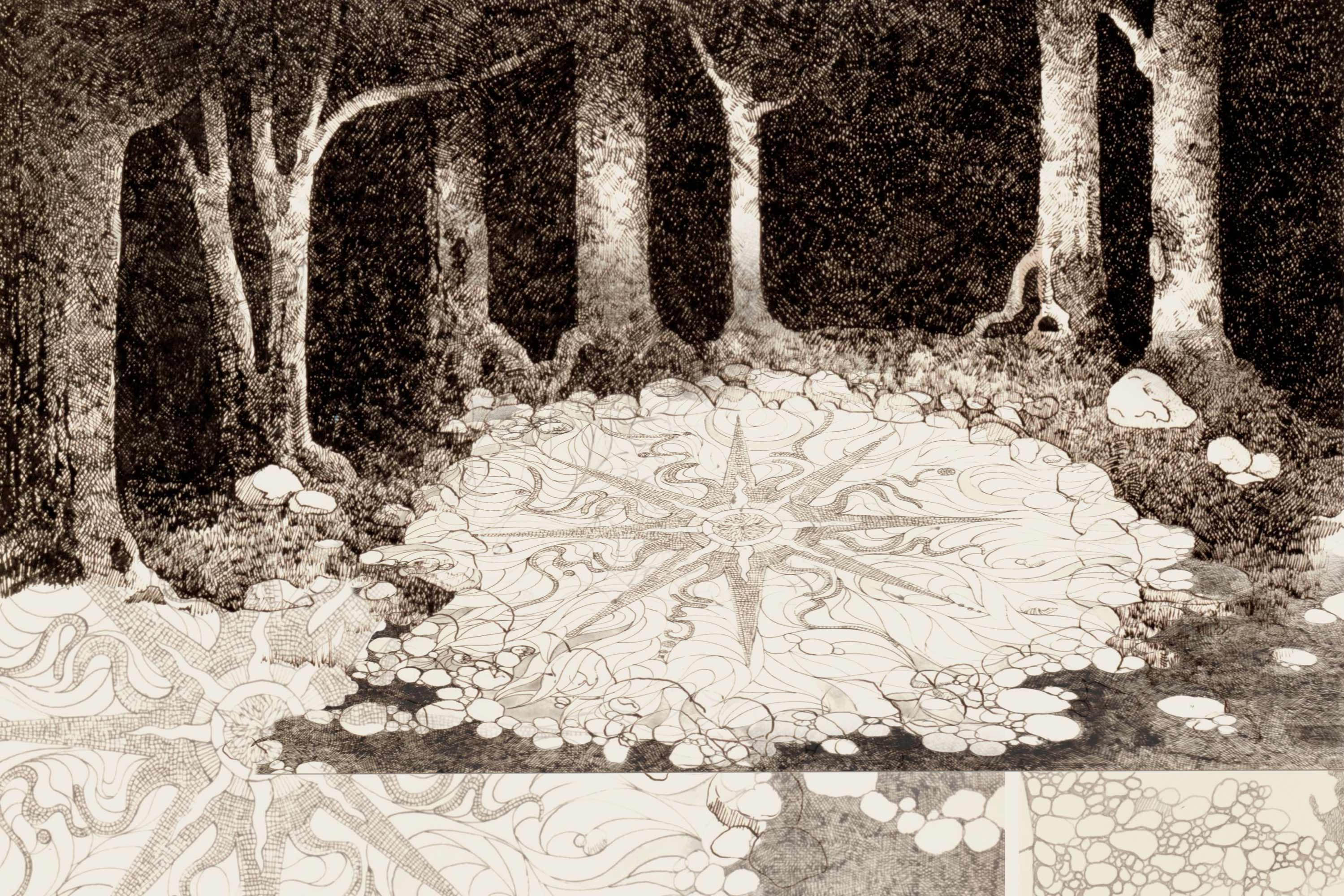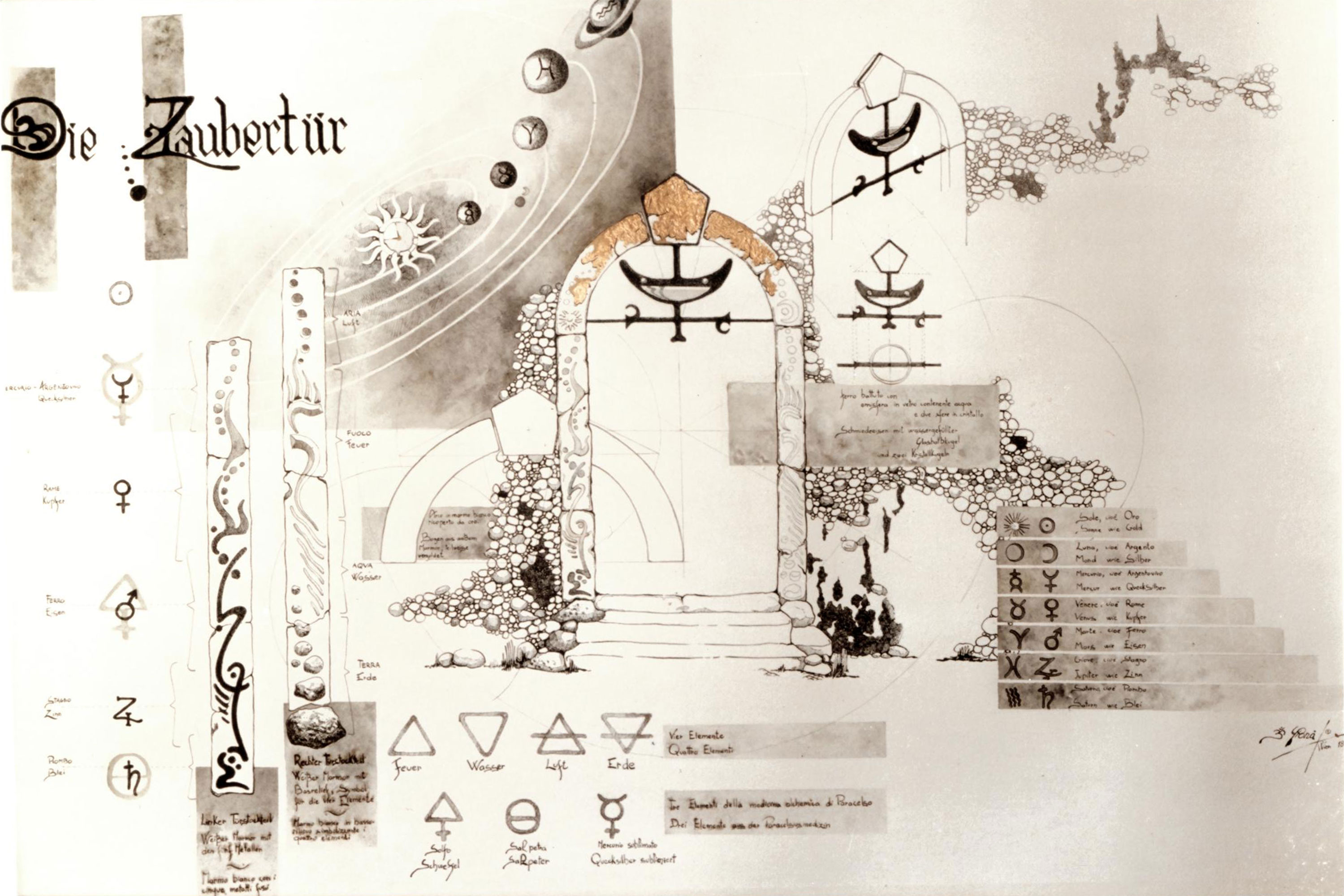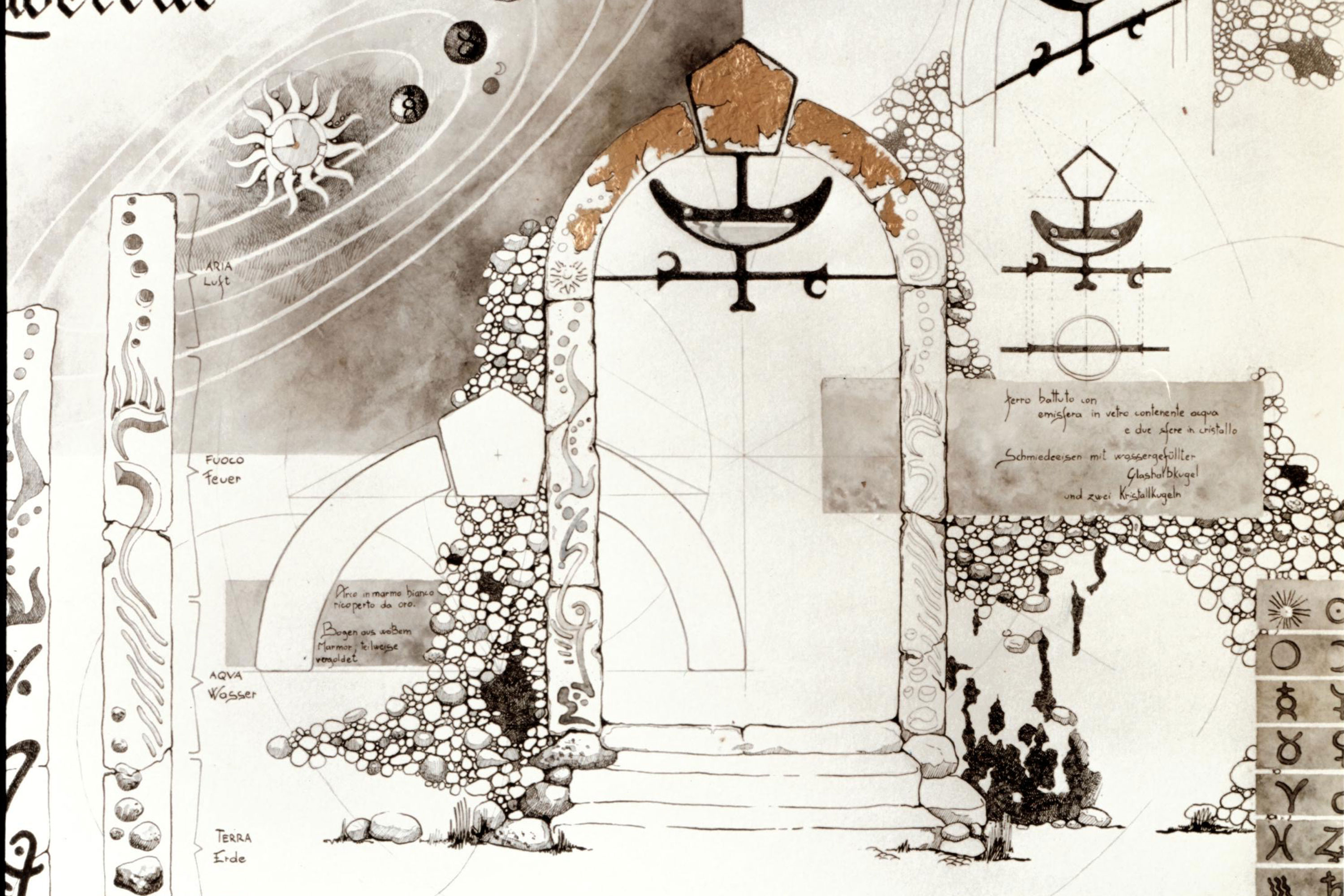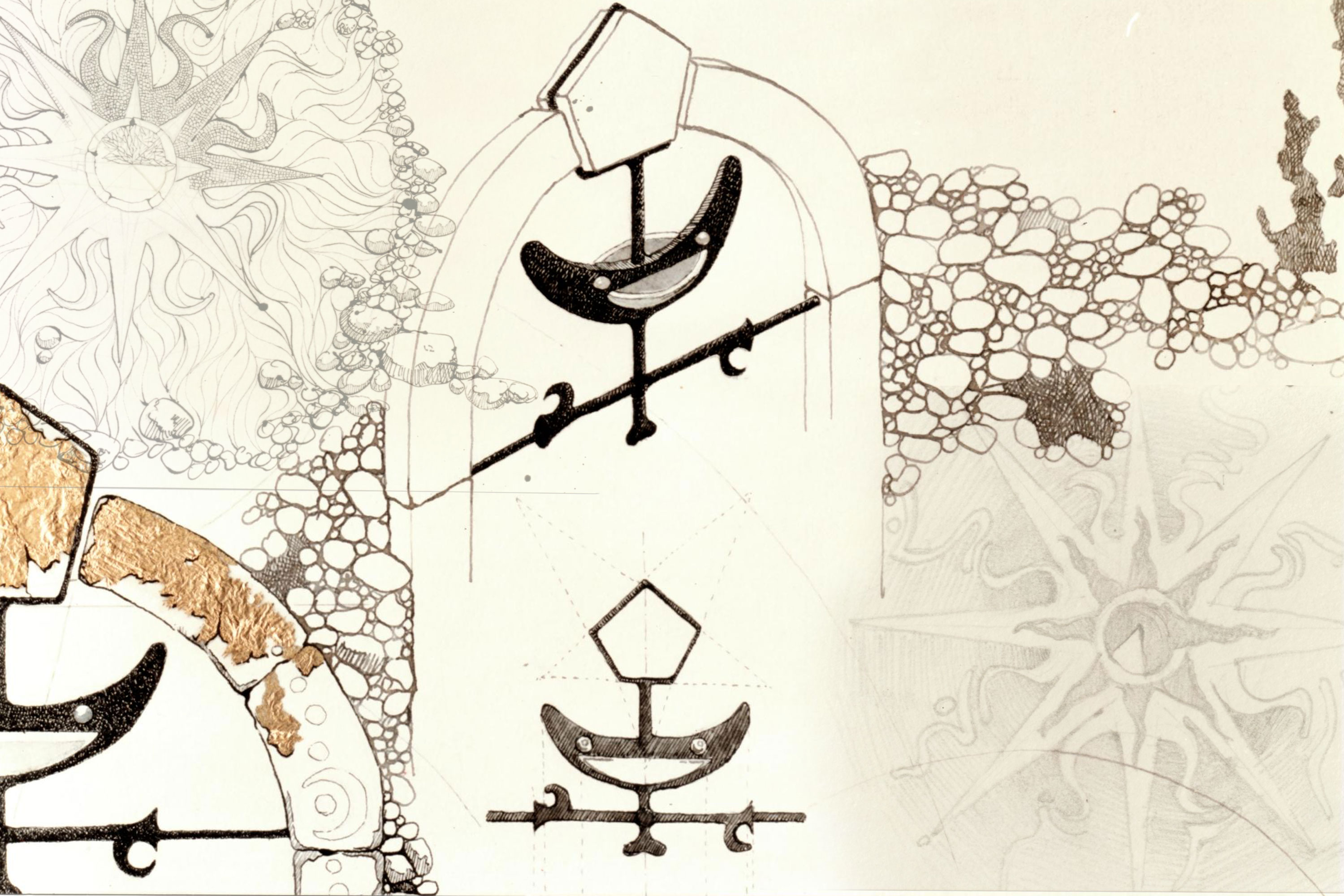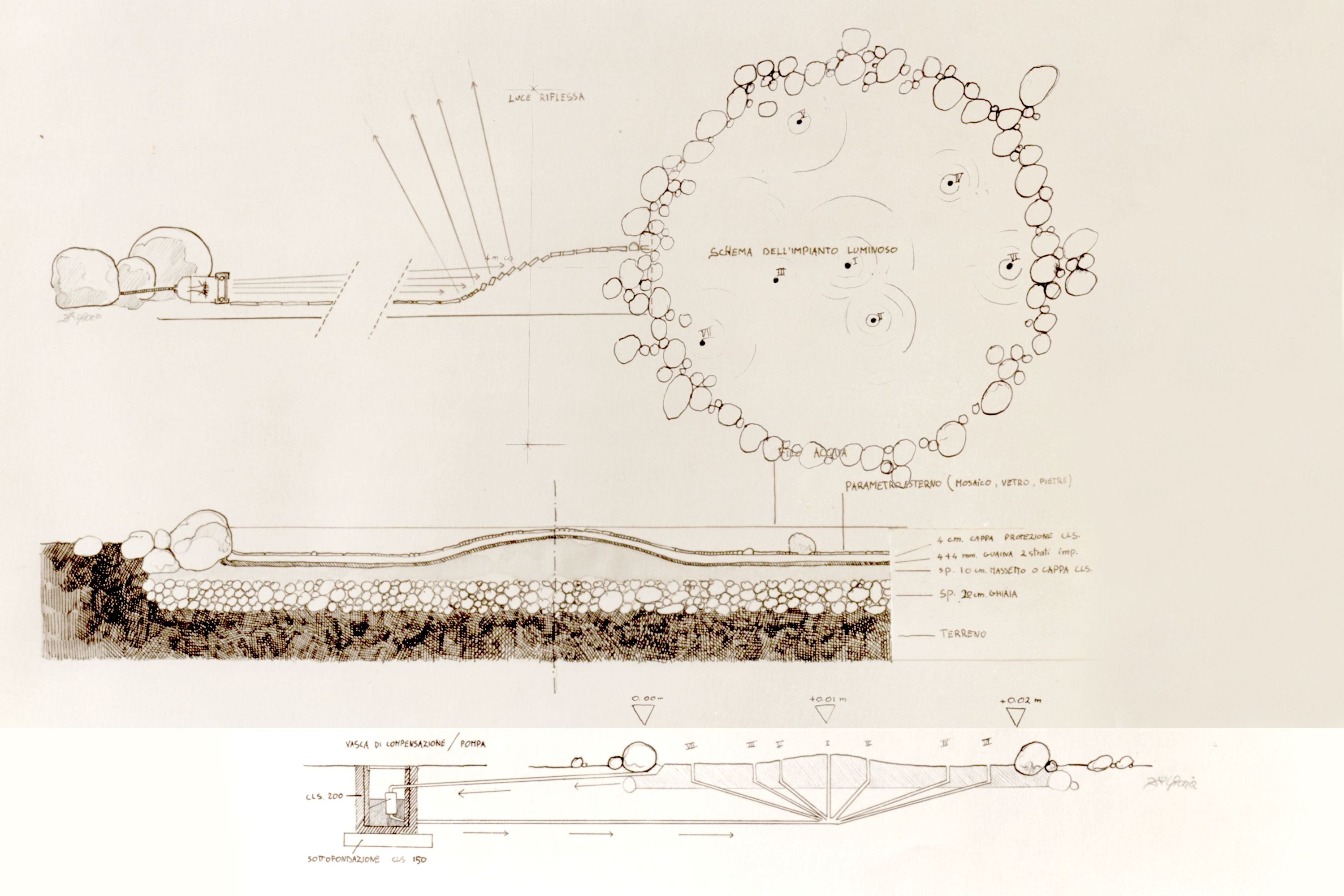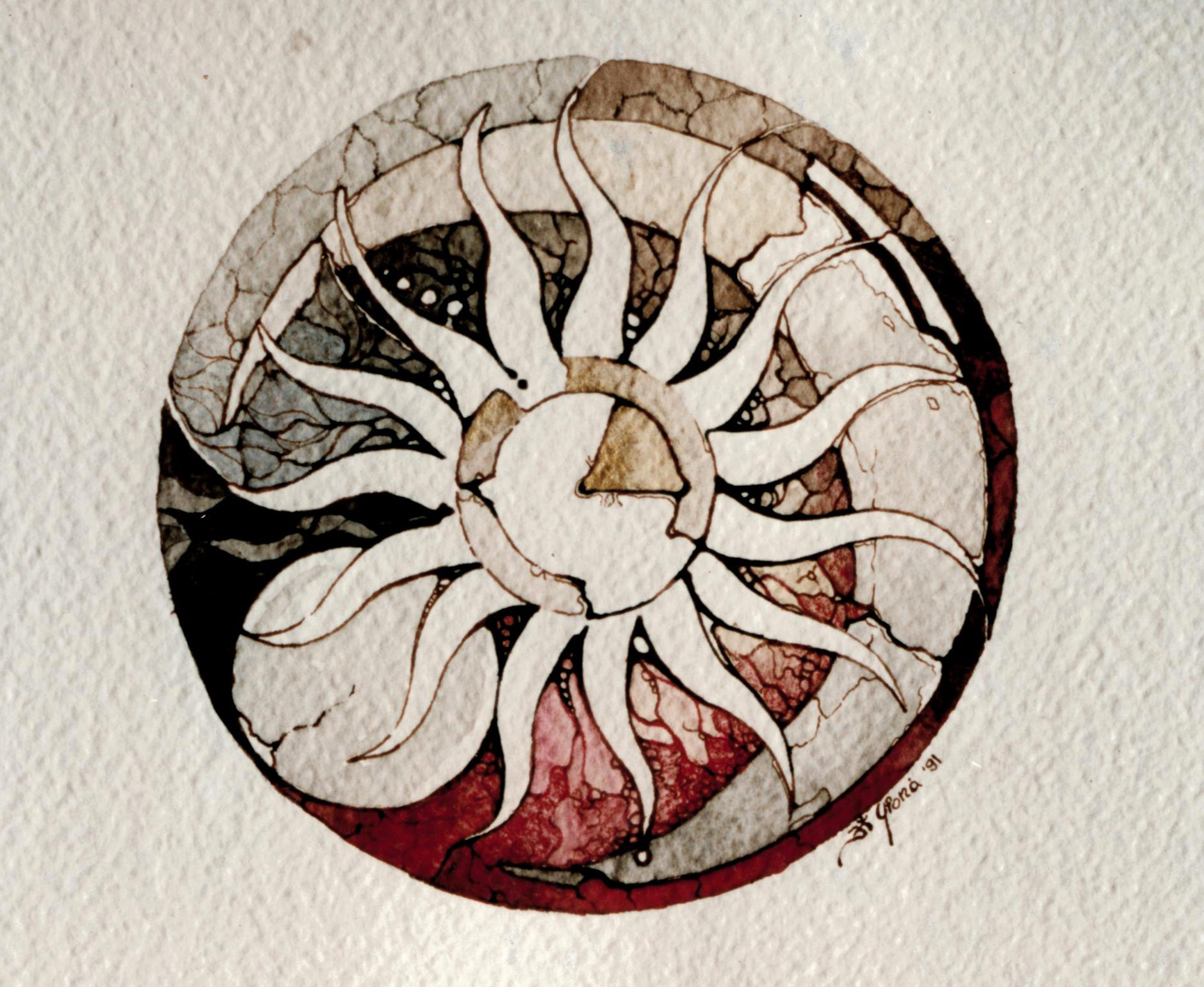






Drawings & Preliminary Studies
The Graphic Archetype
At the root of every authentic aesthetic manifestation resides, immutable, the act of drawing.
Whether the vision materializes in the weave of a pictorial intervention, in the metallic epic of a custom personalization, in the plastic shifting of a historic industrial artifact—such as a refined flywheel slicer—or is translated into the latest grammars of digital animation and three-dimensional modeling, the preparatory sketch remains the fundamental ontological threshold.
Drawing is, first and foremost, the act designed to project, visualize, and structure the intellect even before the matter.
In the contemporary era, the pervasive advent of vector graphics software, the iconographic saturation of search engines, and, last but not least, the algorithmic rise of generative artificial intelligences have progressively relegated the use of graphite to the fringes of common practice.
The analog tool of the pencil appears today almost eclipsed, if not entirely foreign to a generation of visual operators by now habituated to the dematerialization of the sign.
Yet, precisely within this apparent obsolescence, a crucial loss takes place: ideation entrusted to the manual sketch is no mere executive exercise, but rather the fulcrum wherein thought fixes itself upon the medium, drawing irreplaceable inspiration from the controlled fortuity of the line, the pressure of the hand, and the intimate connection between mind and instrument.
The great masters of the past—from Michelangelo to Botticelli, down to the complex choral narratives of Bruegel, in a potentially infinite ideal genealogy—elected parchment and paper as the territory of pure philosophical and formal speculation.
The absolute pinnacle of this attitude is the graphic work of Leonardo da Vinci.
Through the brilliant palimpsest of his celebrated Codice Atlantico, Leonardo delivers an imperishable lesson to us: every monumental w