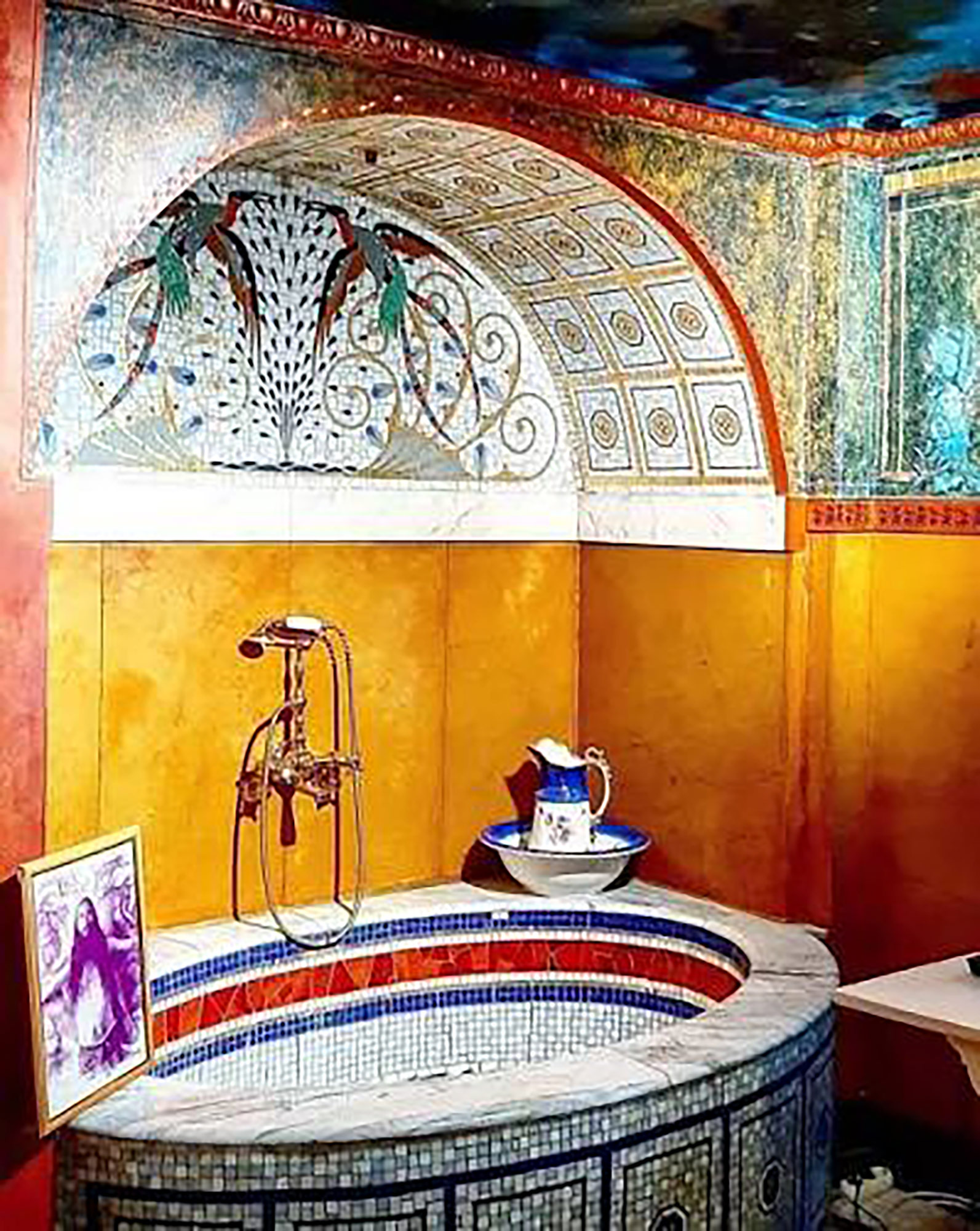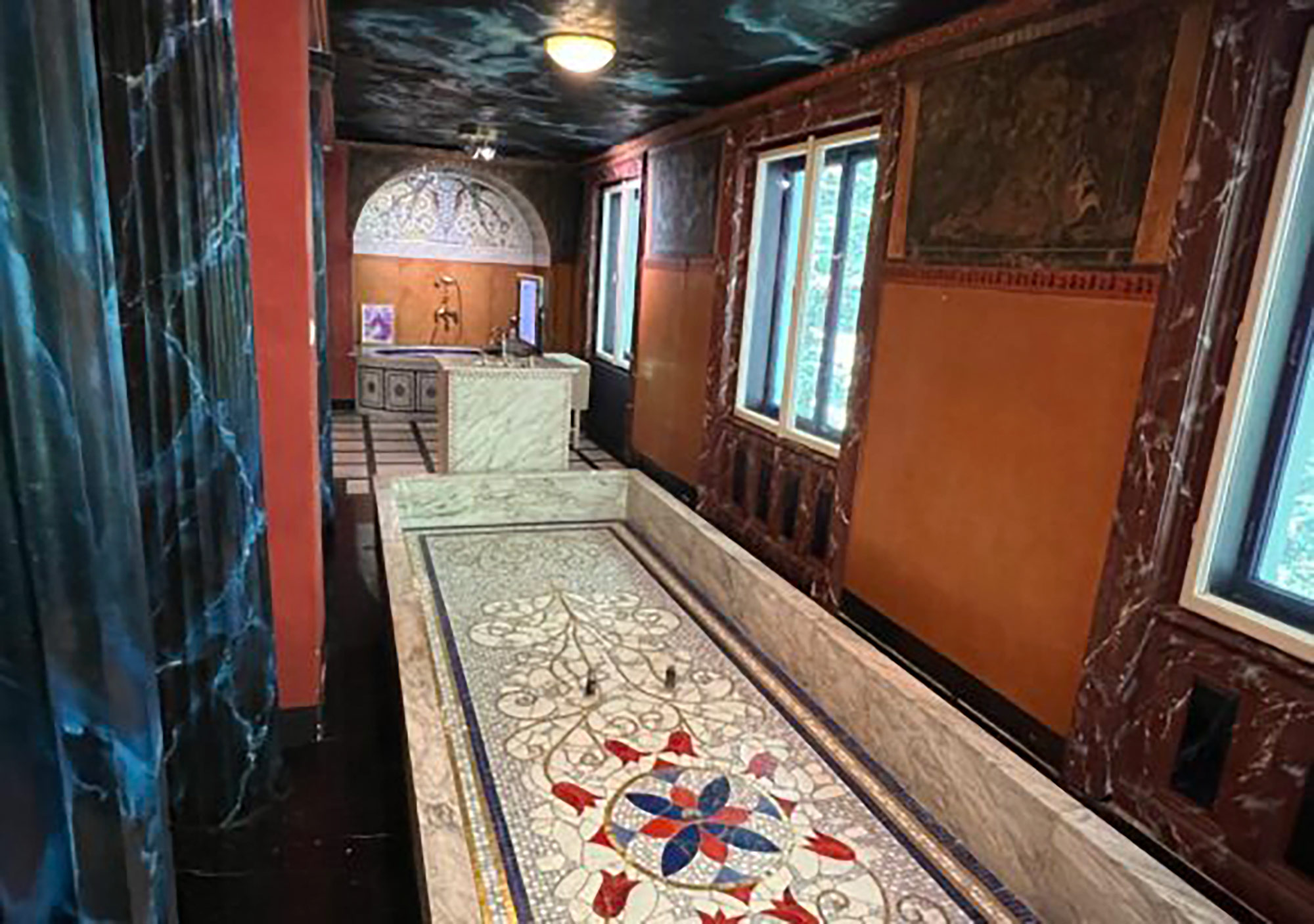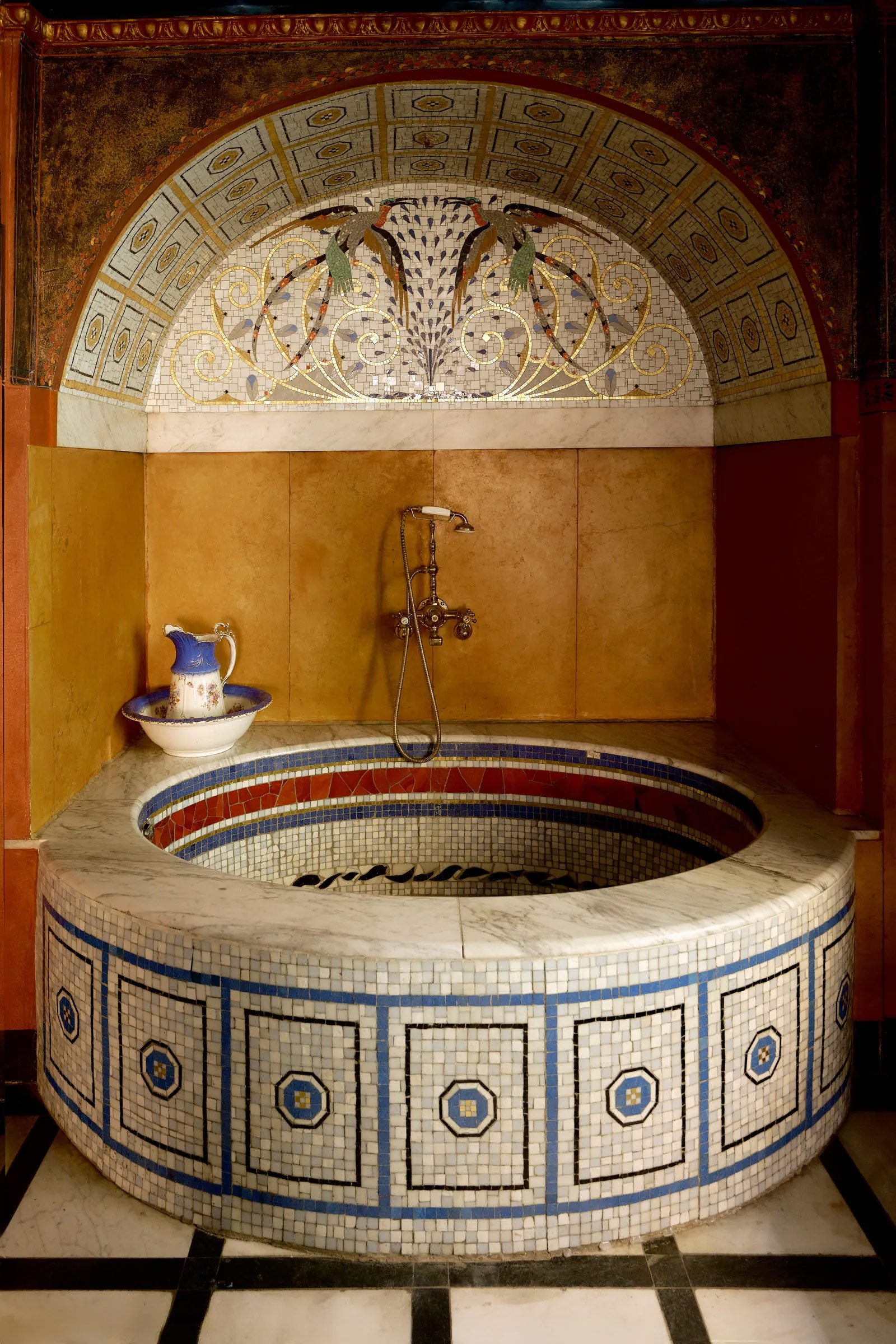






The connection with Vienna and the encounter with Ernst Fuchs
Yonah's artistic journey roots its most authentic origins in his long stay in Vienna, a period of extraordinary intellectual and creative maturation.
The Austrian capital was not just a backdrop, but a true cultural forge: here, the artist formed his vision by breathing in the influences of the Secession and assimilating the complexity of the Central European tradition.
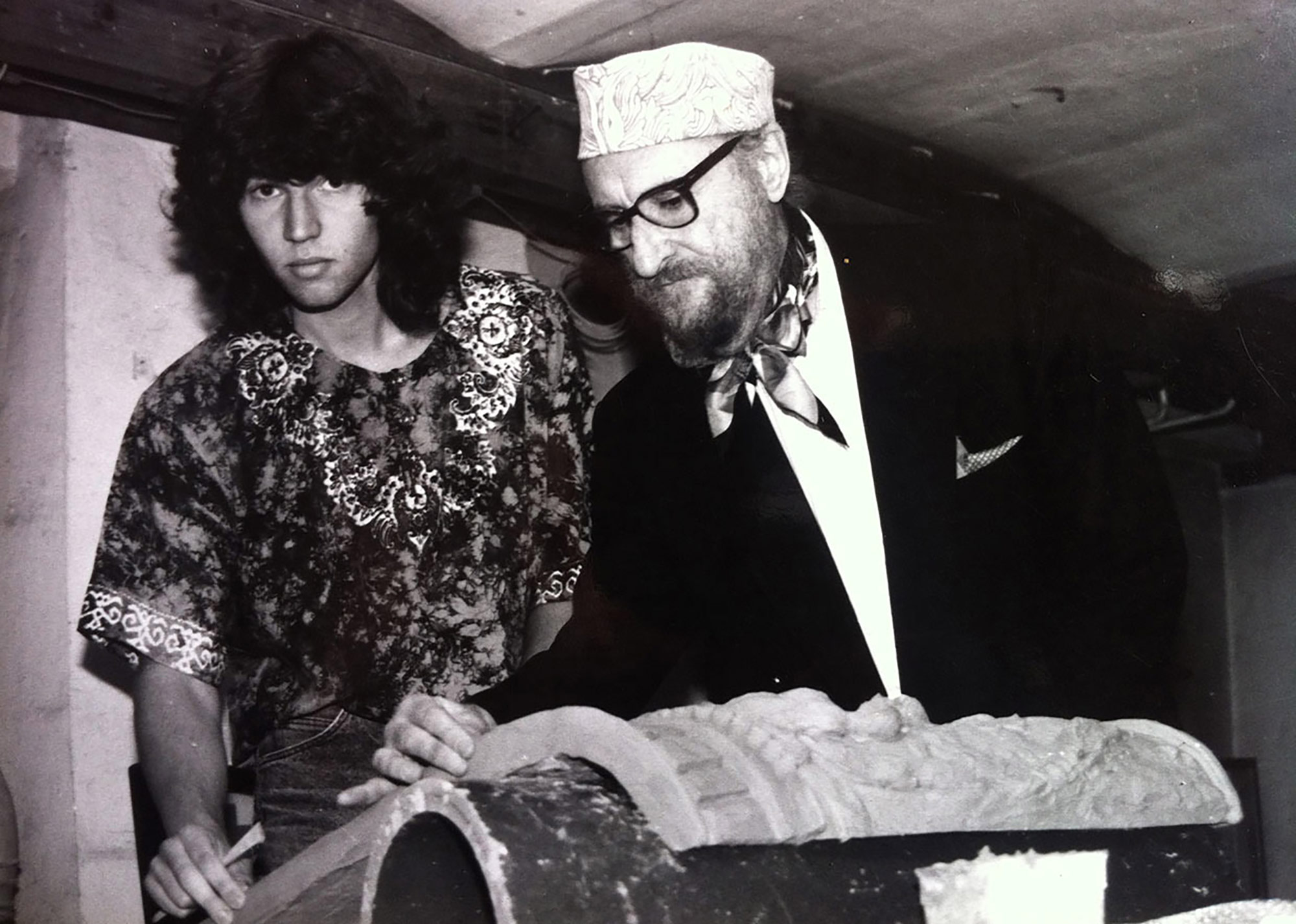
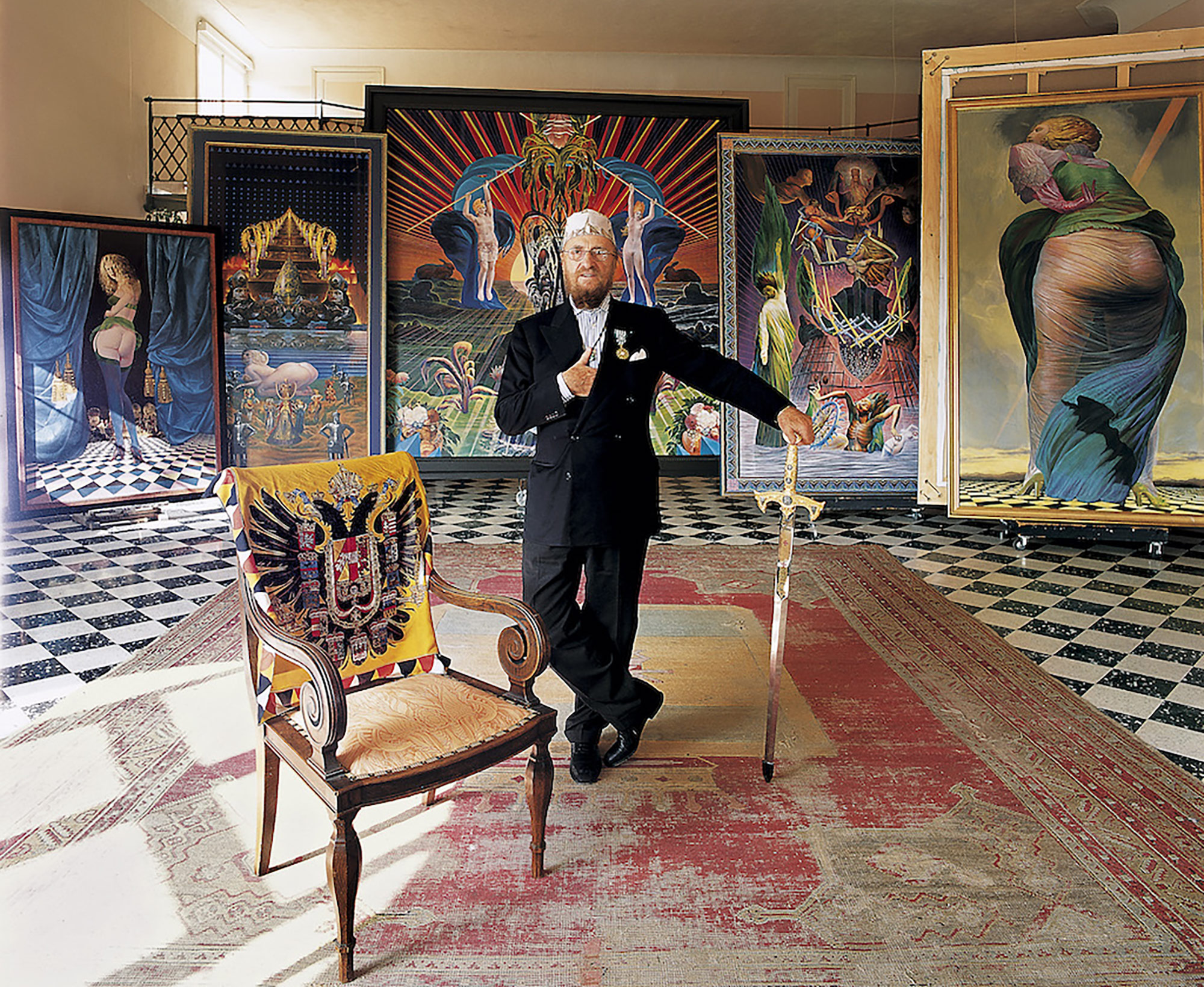
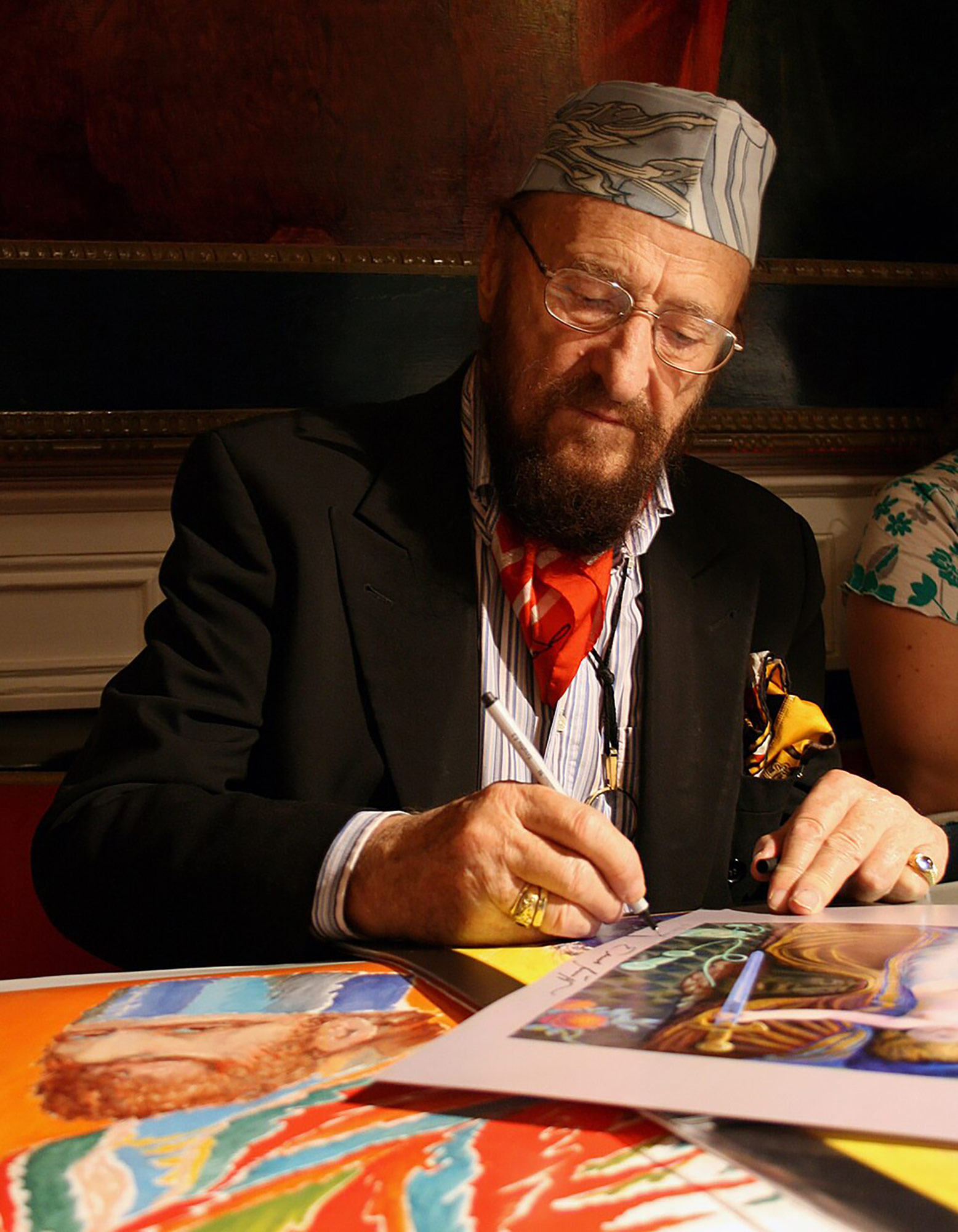
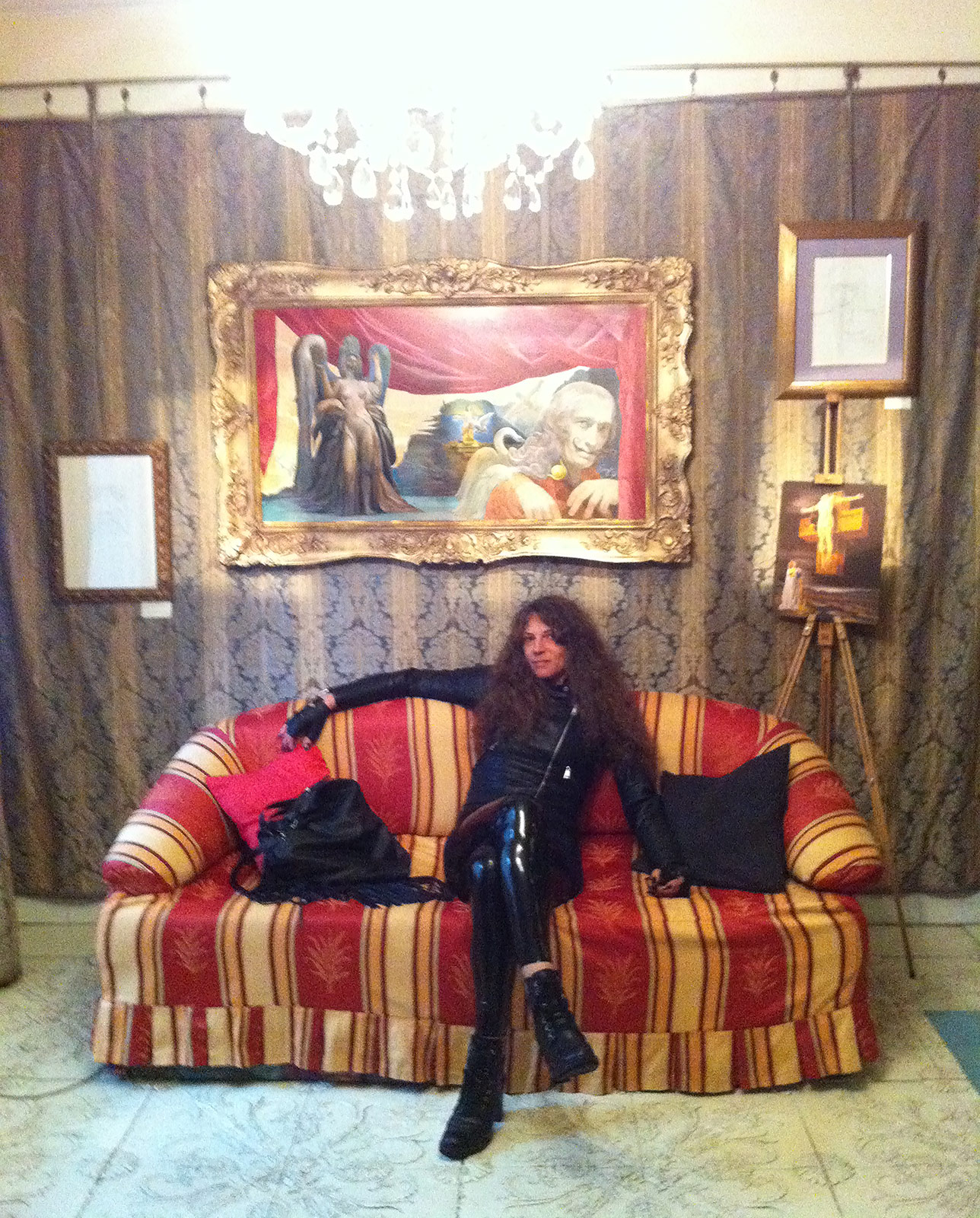
The pinnacle of this experience is represented by his personal and artistic fellowship with Ernst Fuchs.
Undisputed master, co-founder of the historic Wiener Schule des Phantastischen Realismus and a prominent figure in the Society for Art of Imagination (as well as recipient of the Austrian Cross of Honour for Science and Art, First Class), Fuchs passed on to Yonah a sensitivity for a total and visionary art.
From this dialogue with Fantastic Realism stems Yonah’s ability to transform matter into wonder, blending excellence in technique with an oneiric imagination.





The Nymphaeum
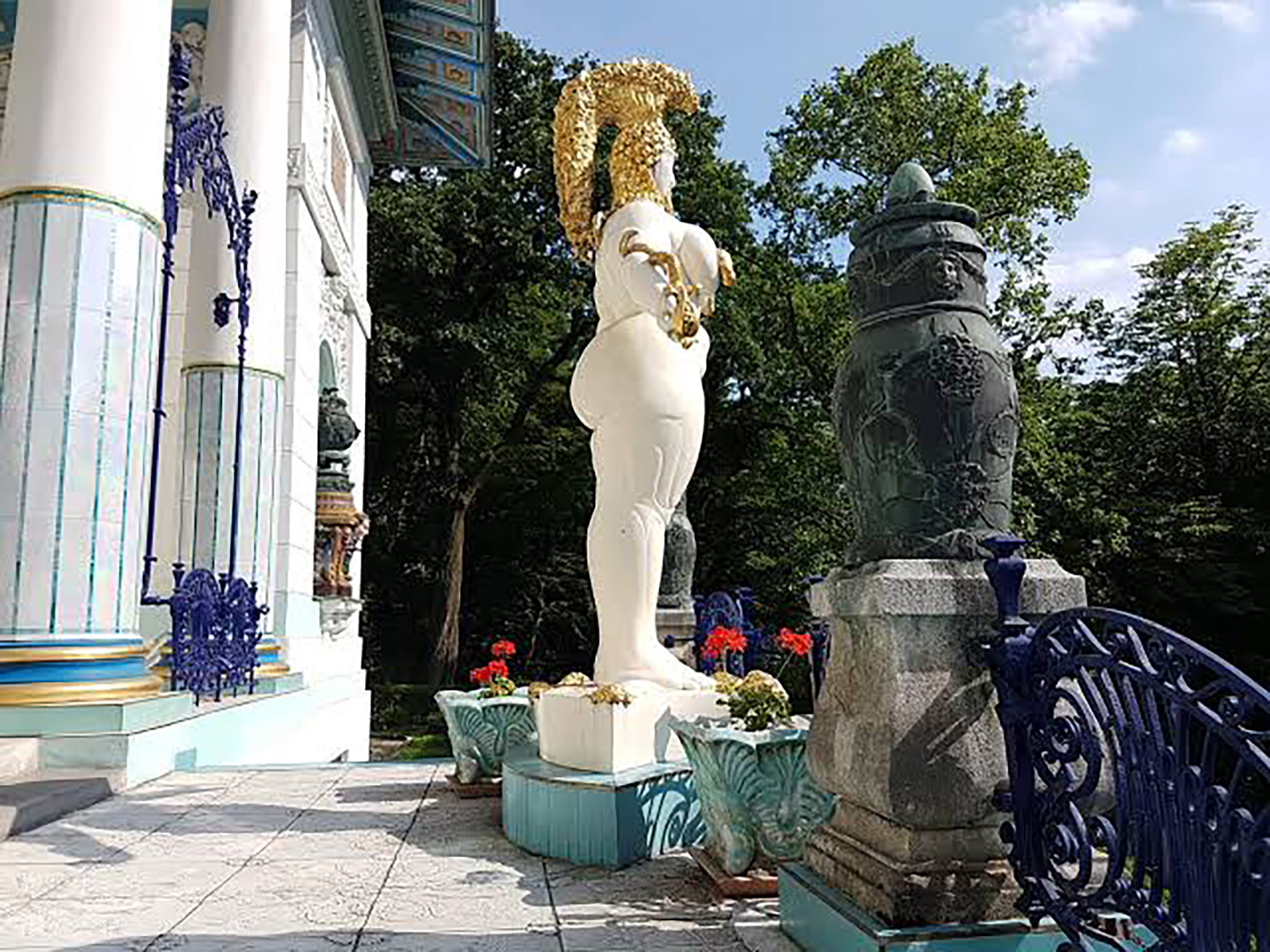
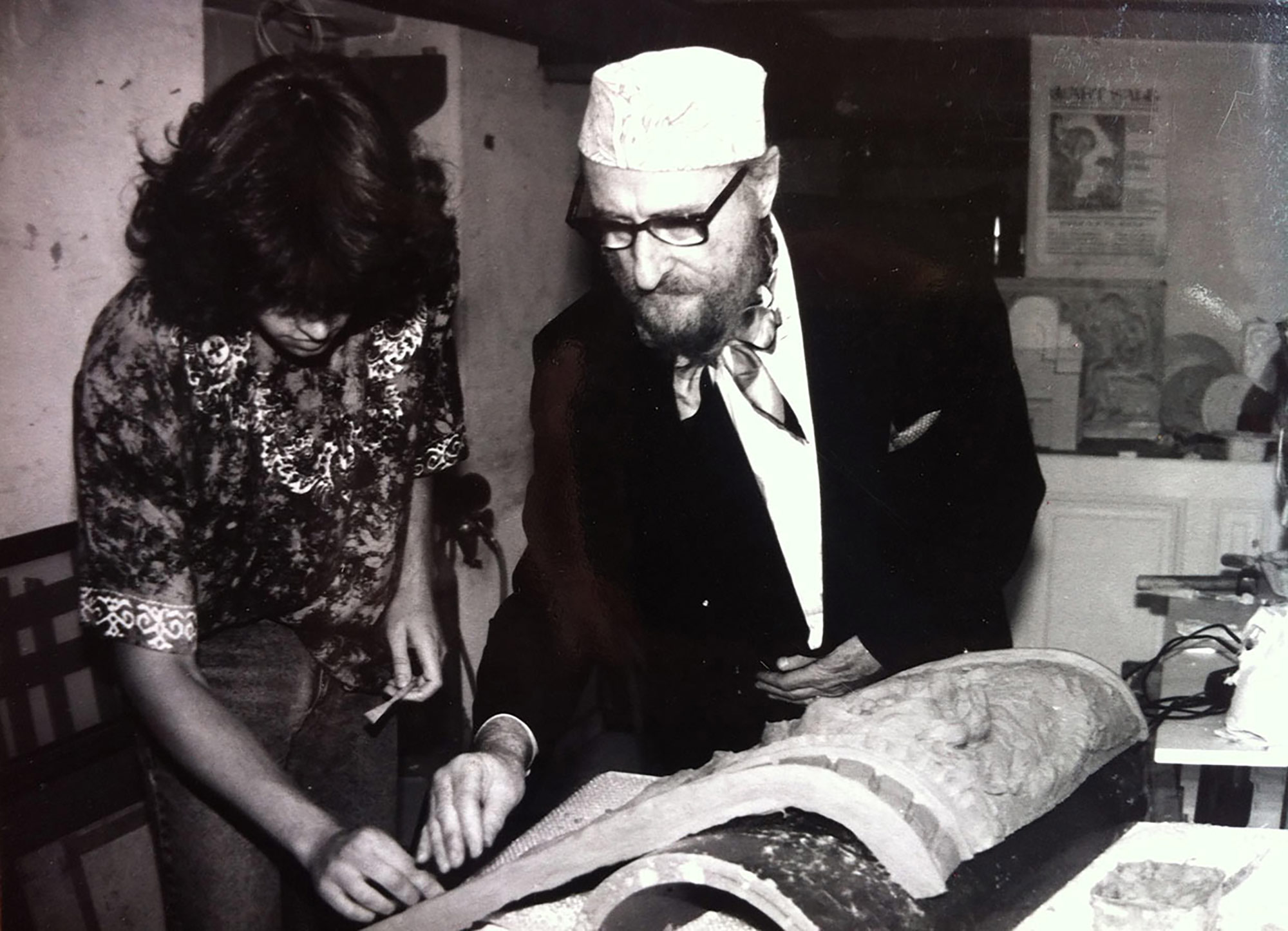
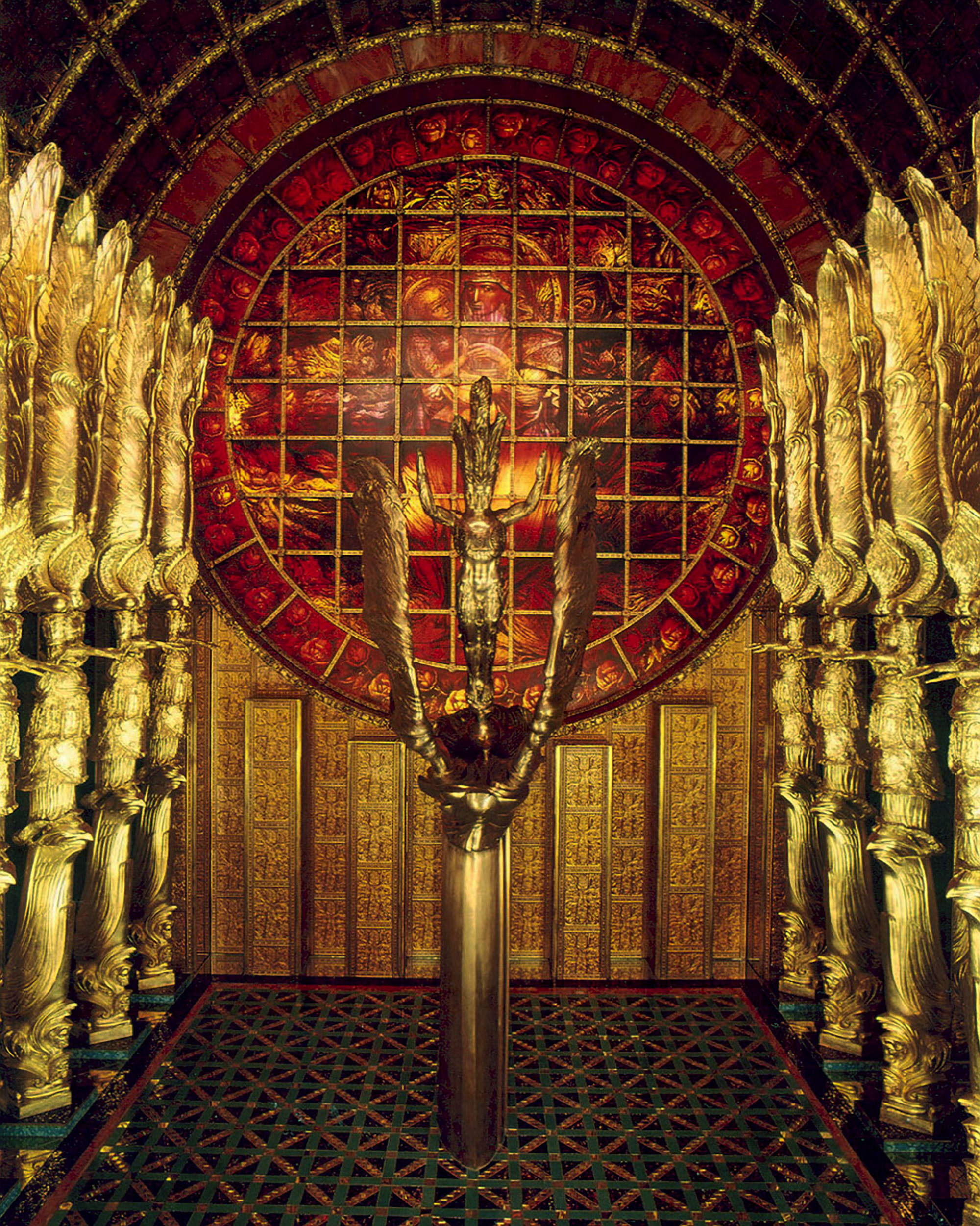
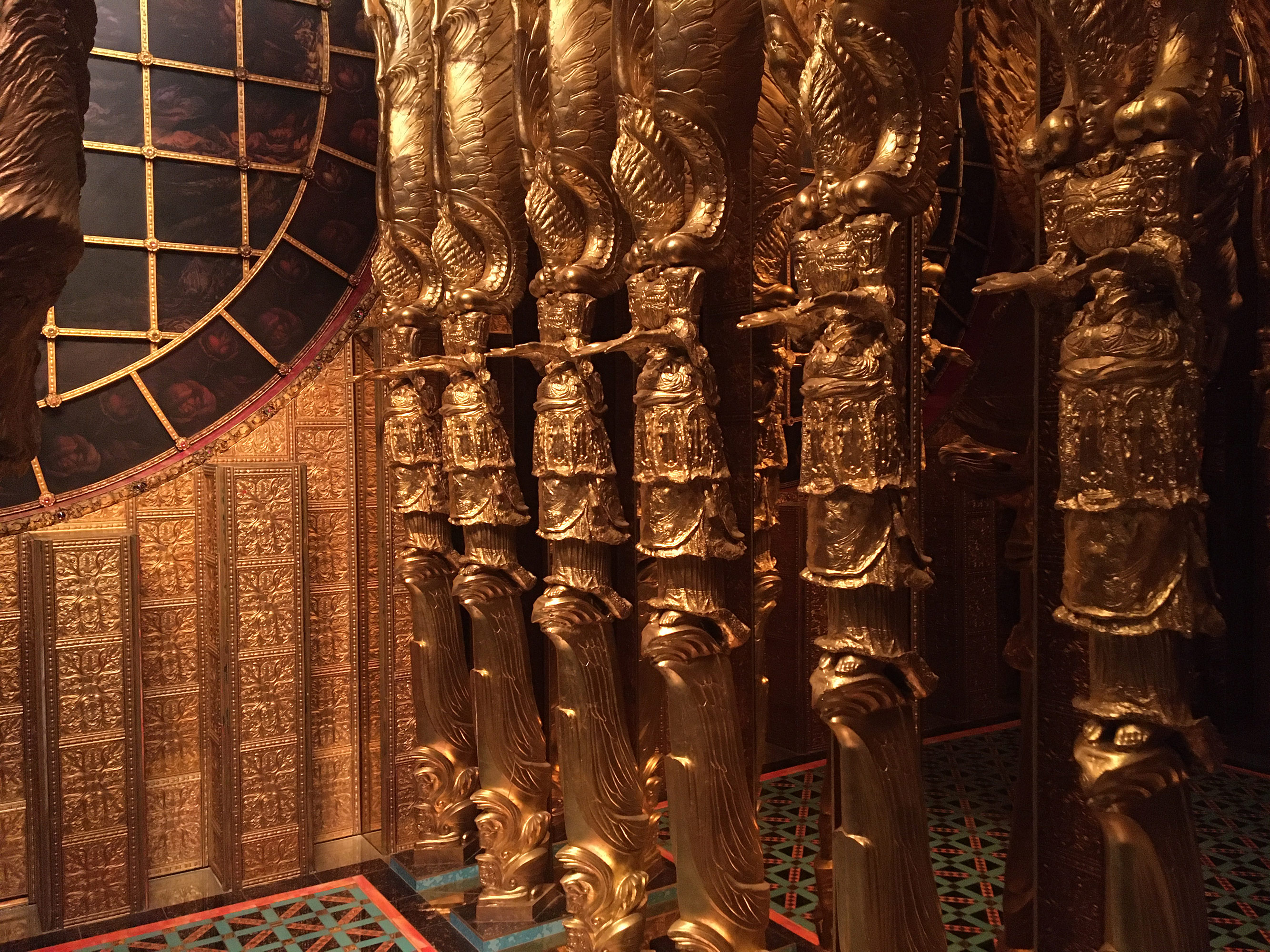
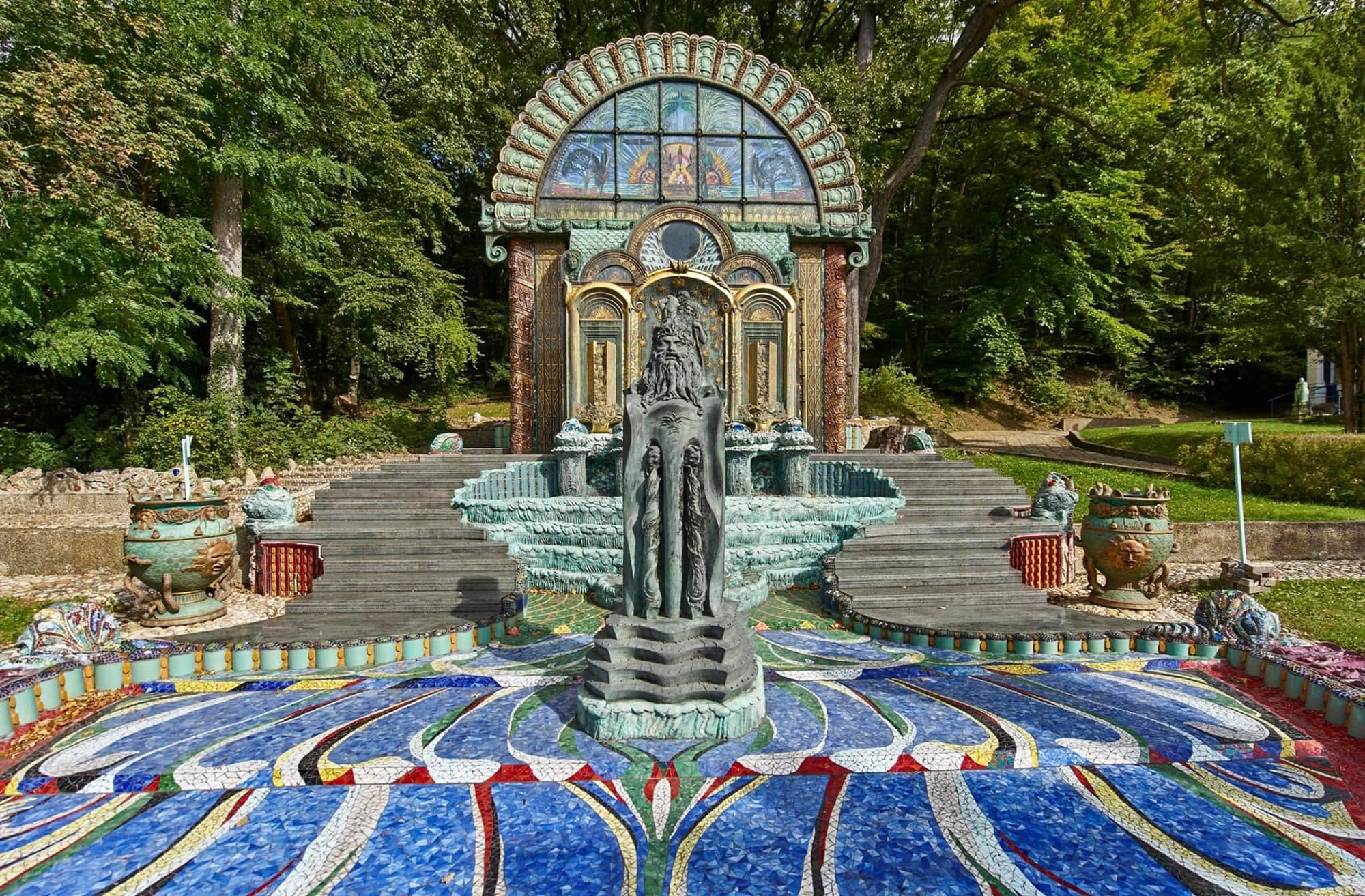
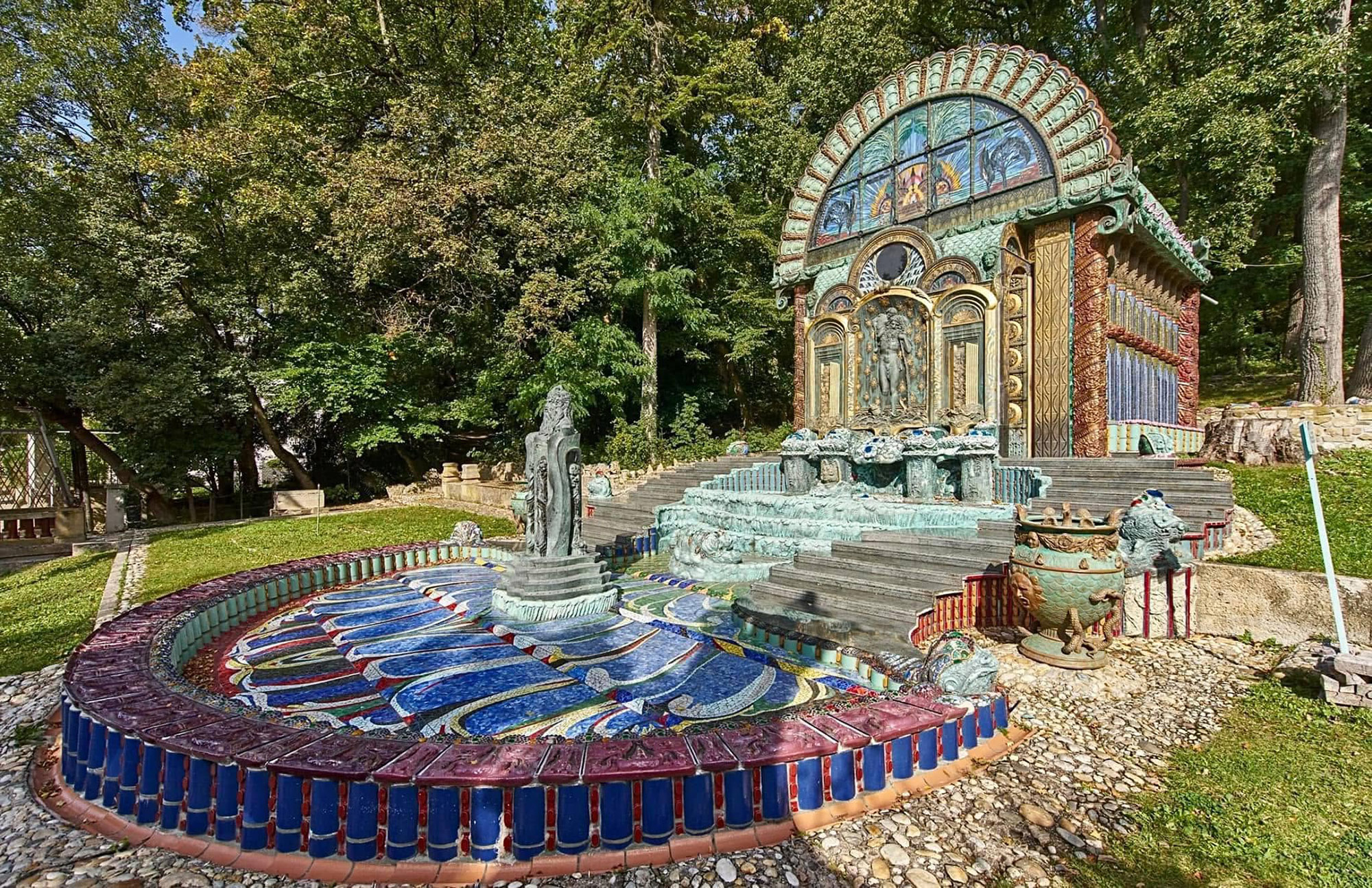
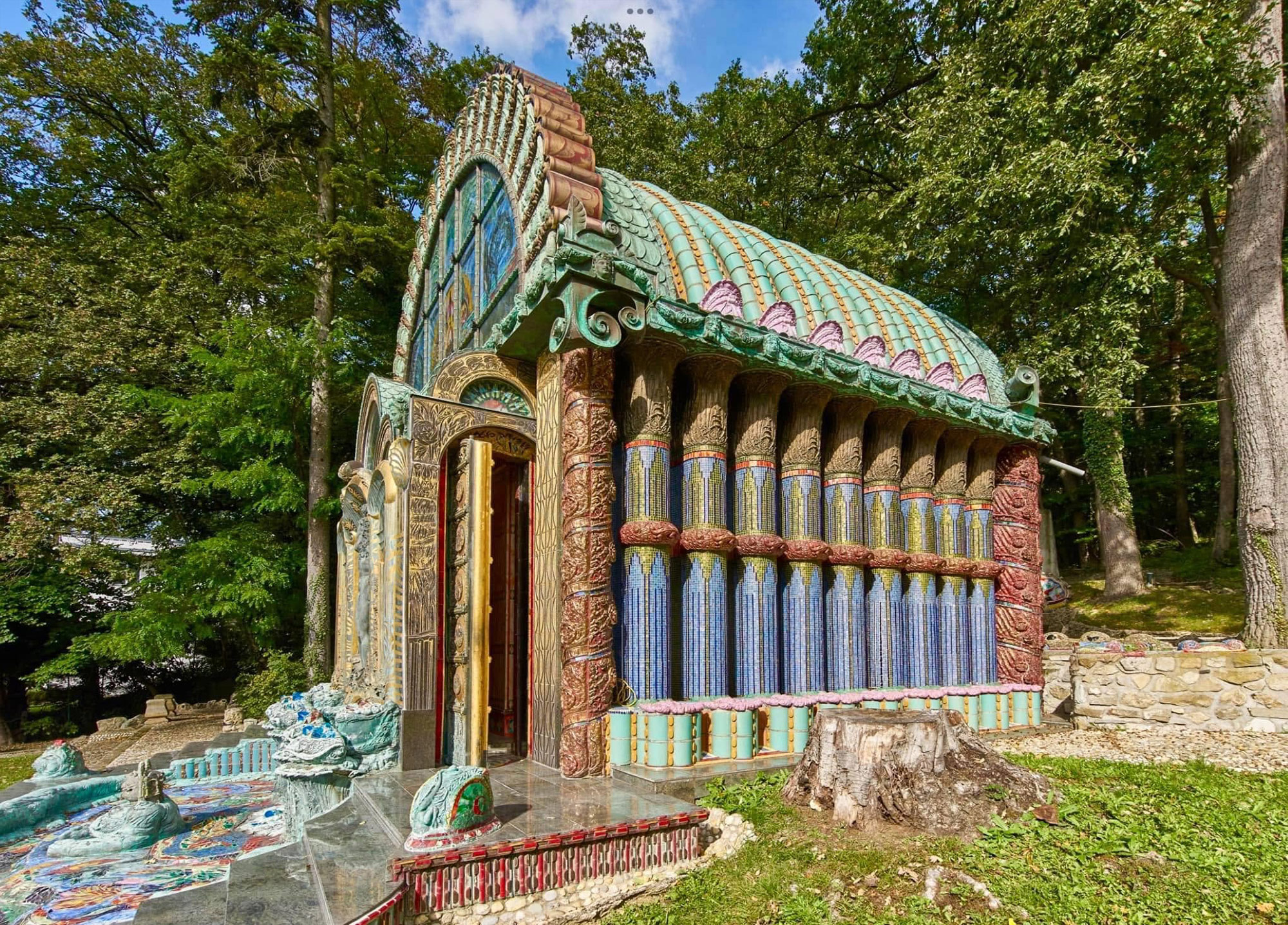
Starting from 1990, Yonah actively and personally participated in the complex creation of the artistic elements of the majestic monument located in the park of Villa Wagner in Vienna, the famous Nymphaeum Omega by Ernst Fuchs.
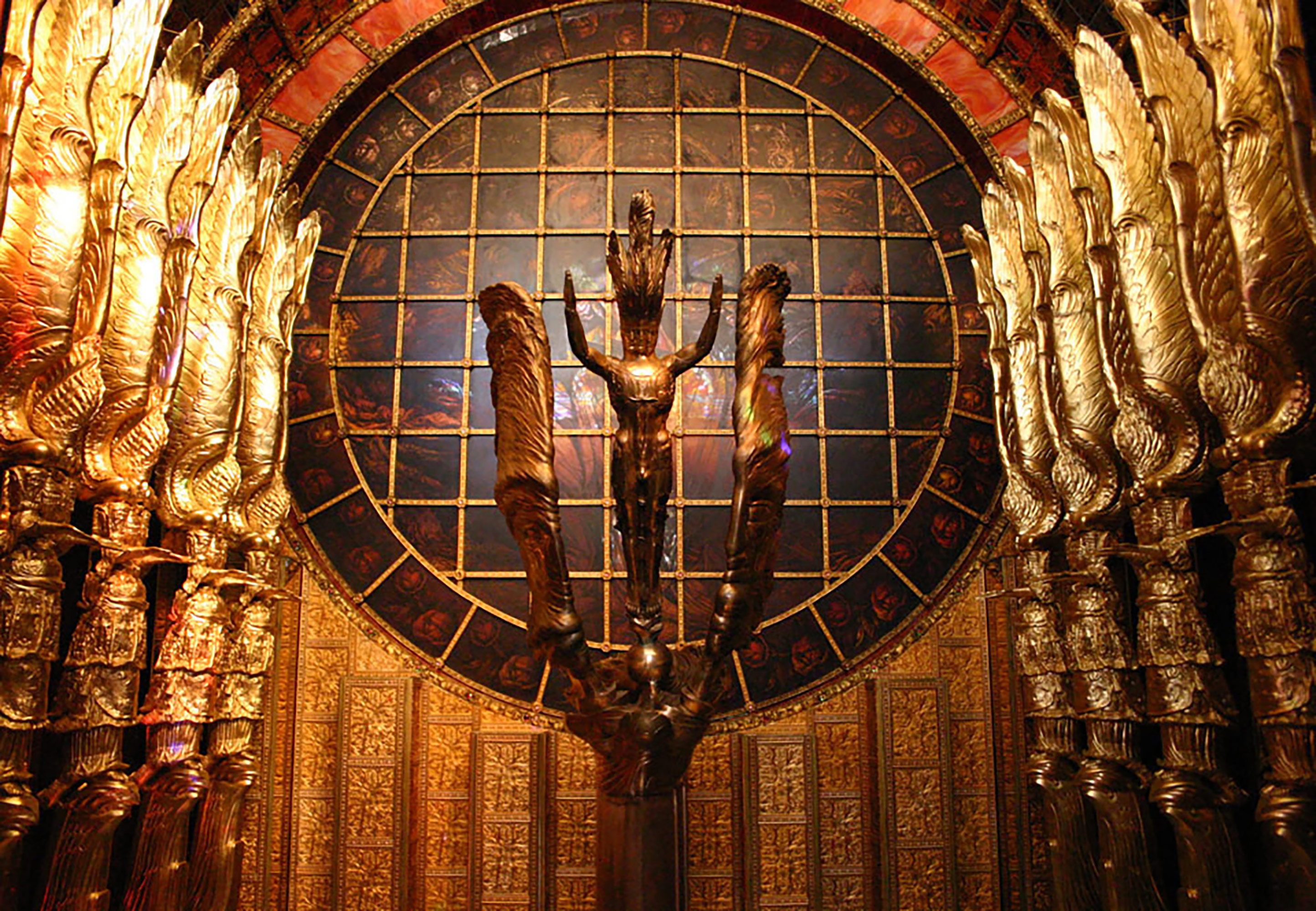
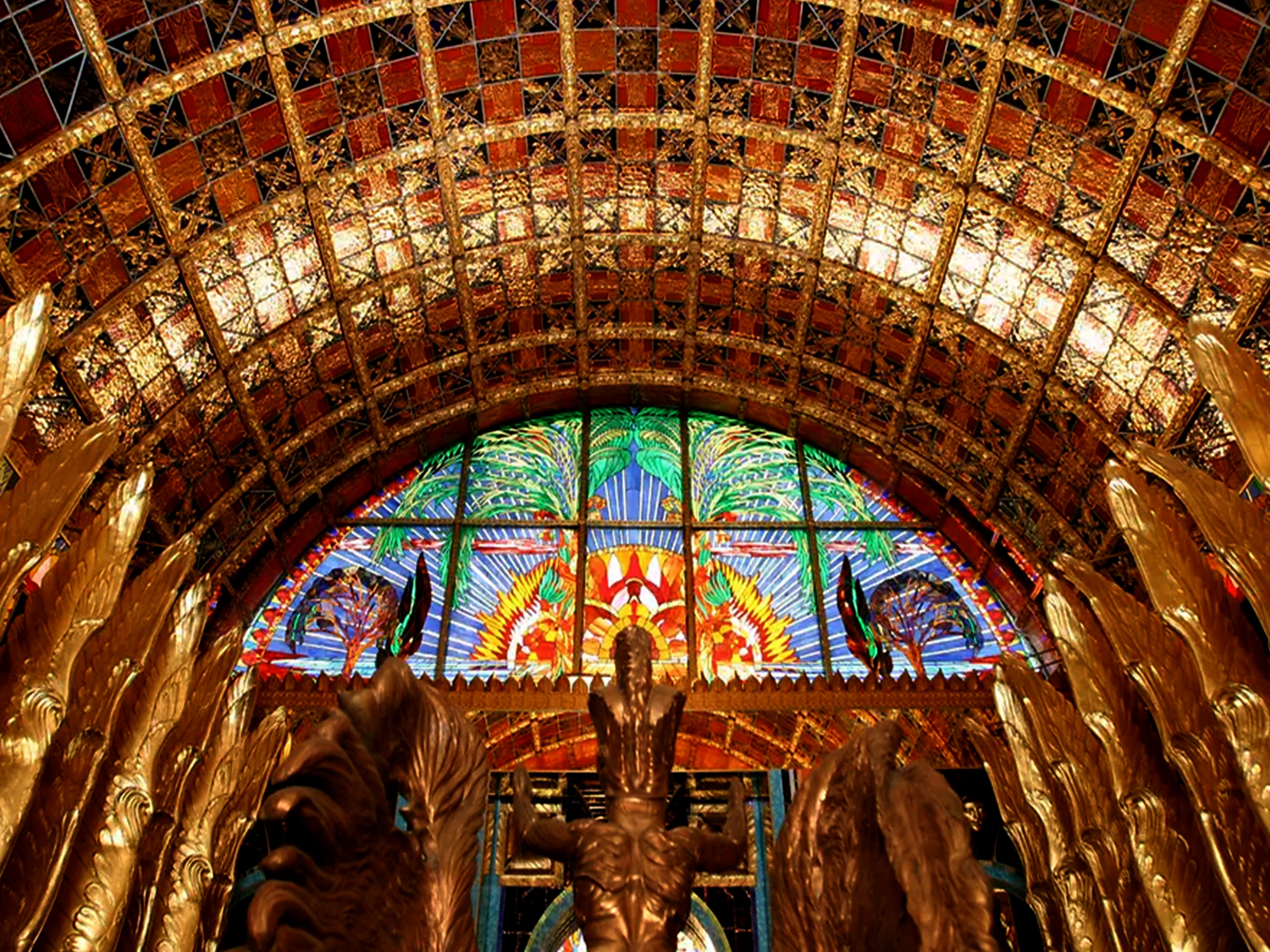
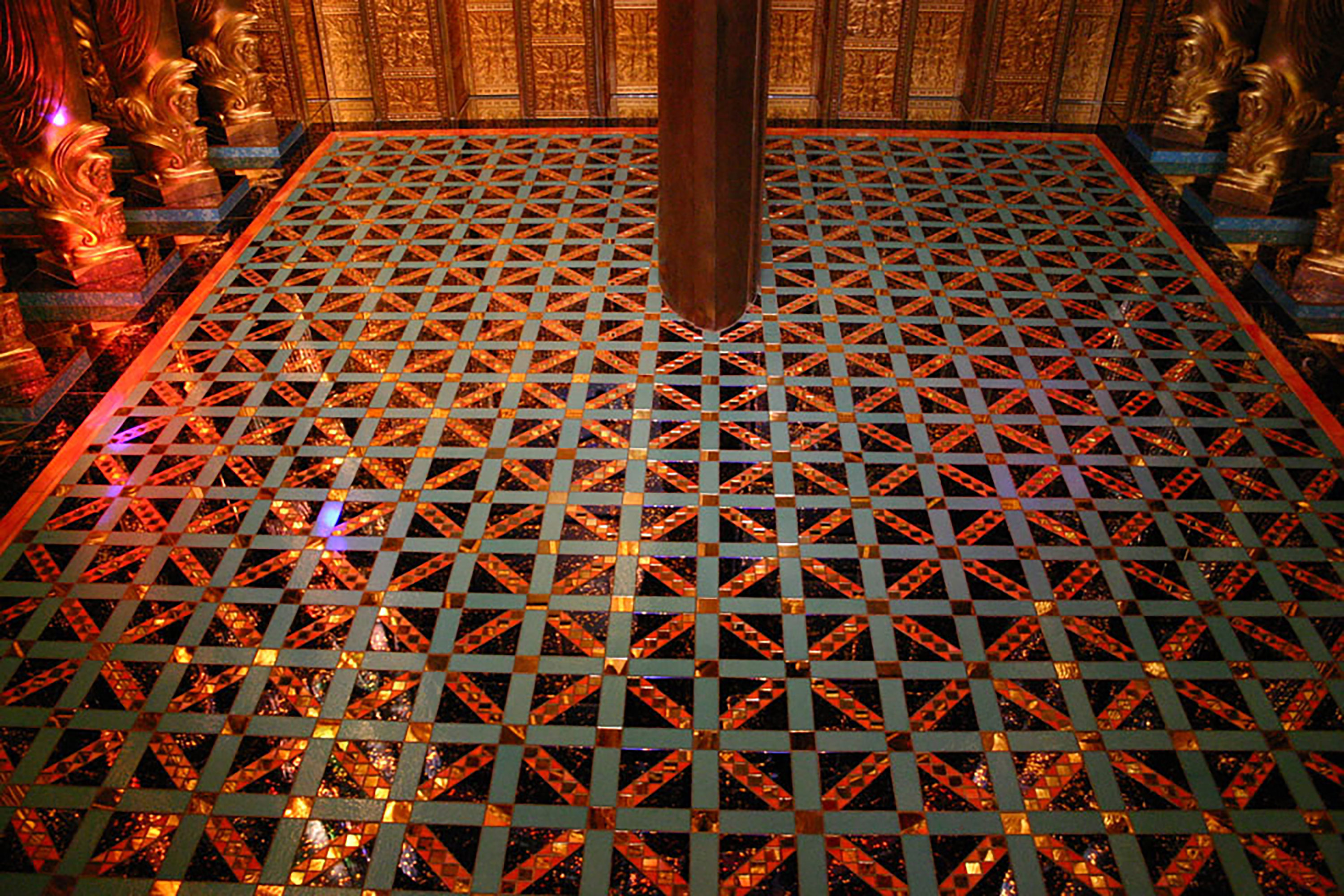
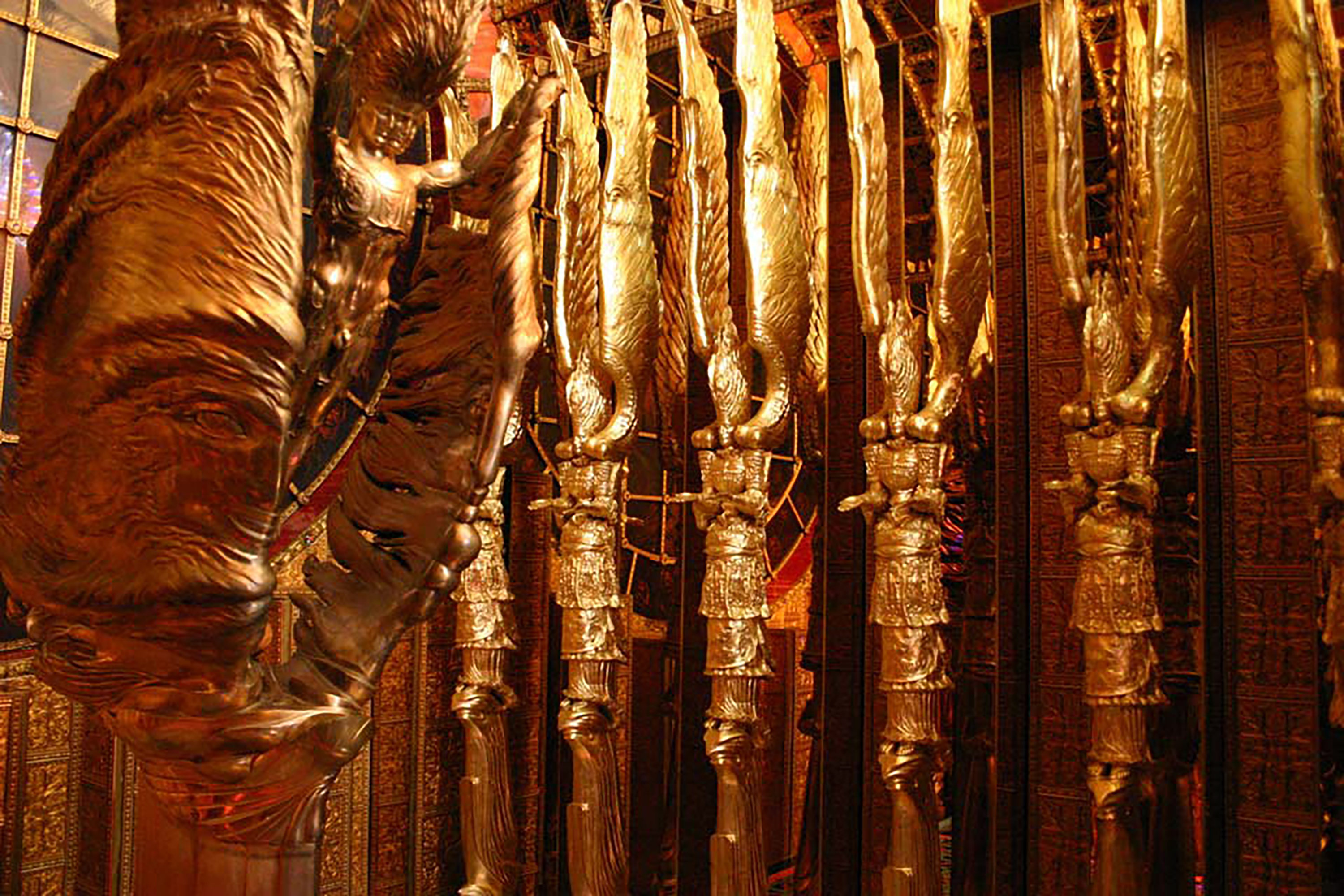
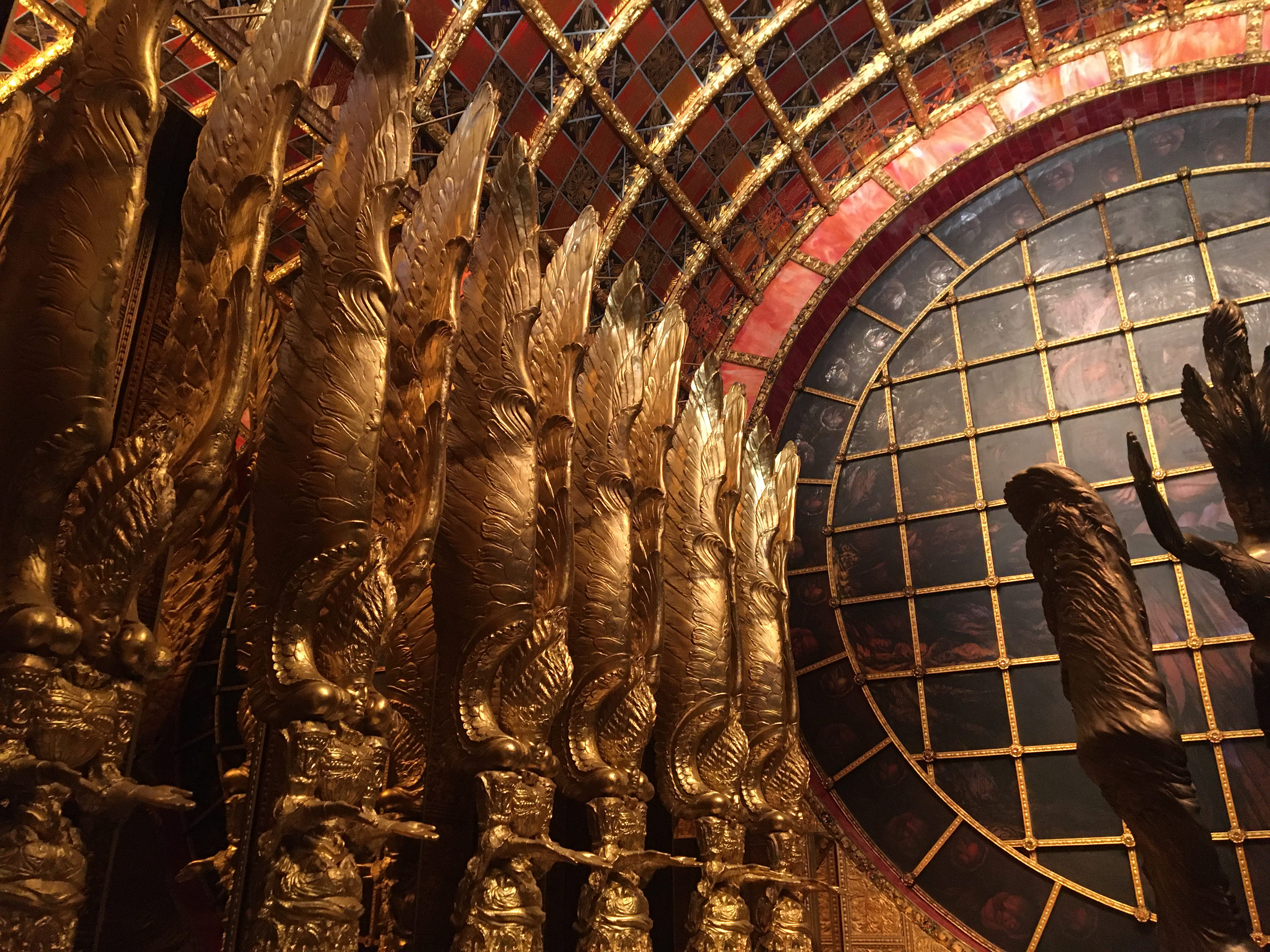
Monumental sculptures, visionary architectural elements, detailed Tiffany-style glass mosaics, bas-reliefs, stained glass windows, and imposing bronze portals: for years, this extraordinary total art construction site was not simply a workplace, but the very substance of his creative development and his most important training ground.
Working shoulder to shoulder with the masters of Fantastic Realism in a Renaissance-like workshop atmosphere, Yonah was able to refine a technical mastery of excellence, turning aesthetic theory into a unique manual craftsmanship, capable of giving shape and life to the boldest visions.
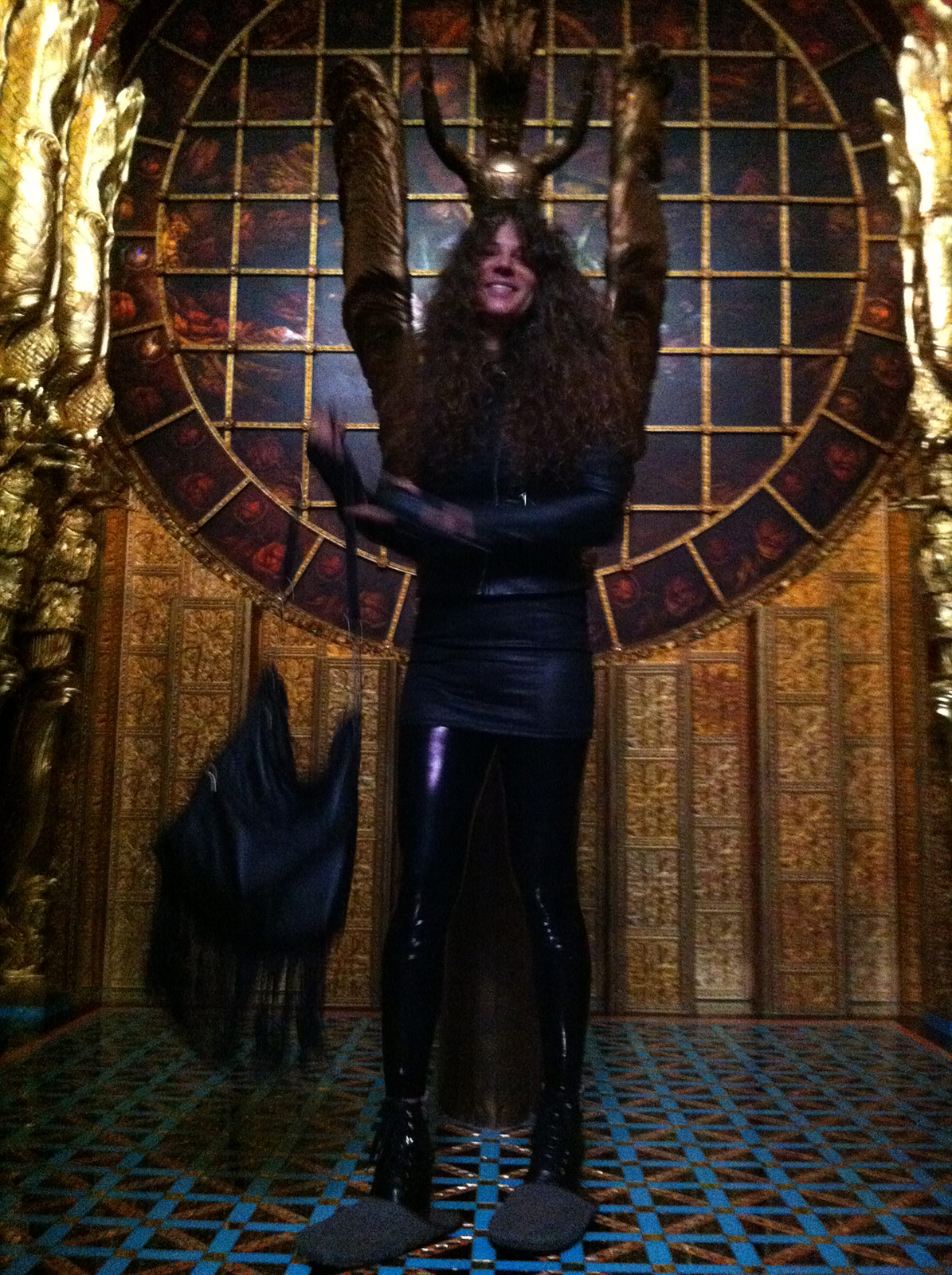
Following the Secessionist concept of the "total work of art" (Gesamtkunstwerk), the structure literally shines under the sunlight thanks to a very rich cladding of colored stones and spectacular polished Tiffany glass mosaics, recalling the splendor of ancient basilicas.
In front of the spring house stands the majestic Moses Fountain, entirely decorated in mosaic. The front part of the nymphaeum is further enriched by a large bronze relief dedicated to Saint Christopher.
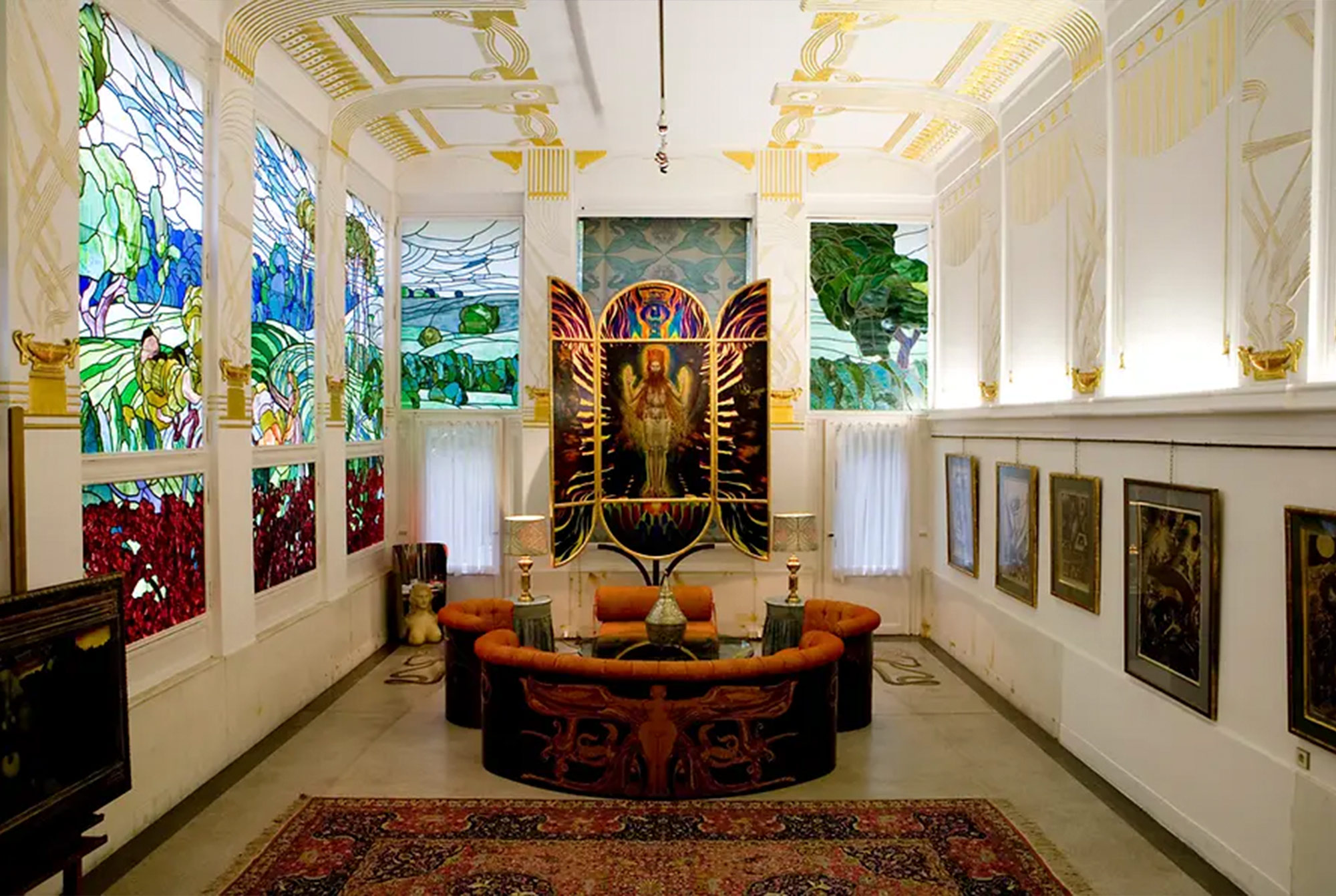
Inside the small water temple, a large mosaic stained-glass window depicts the Madonna and Child, surrounded by the twelve golden angels of the Apocalypse.
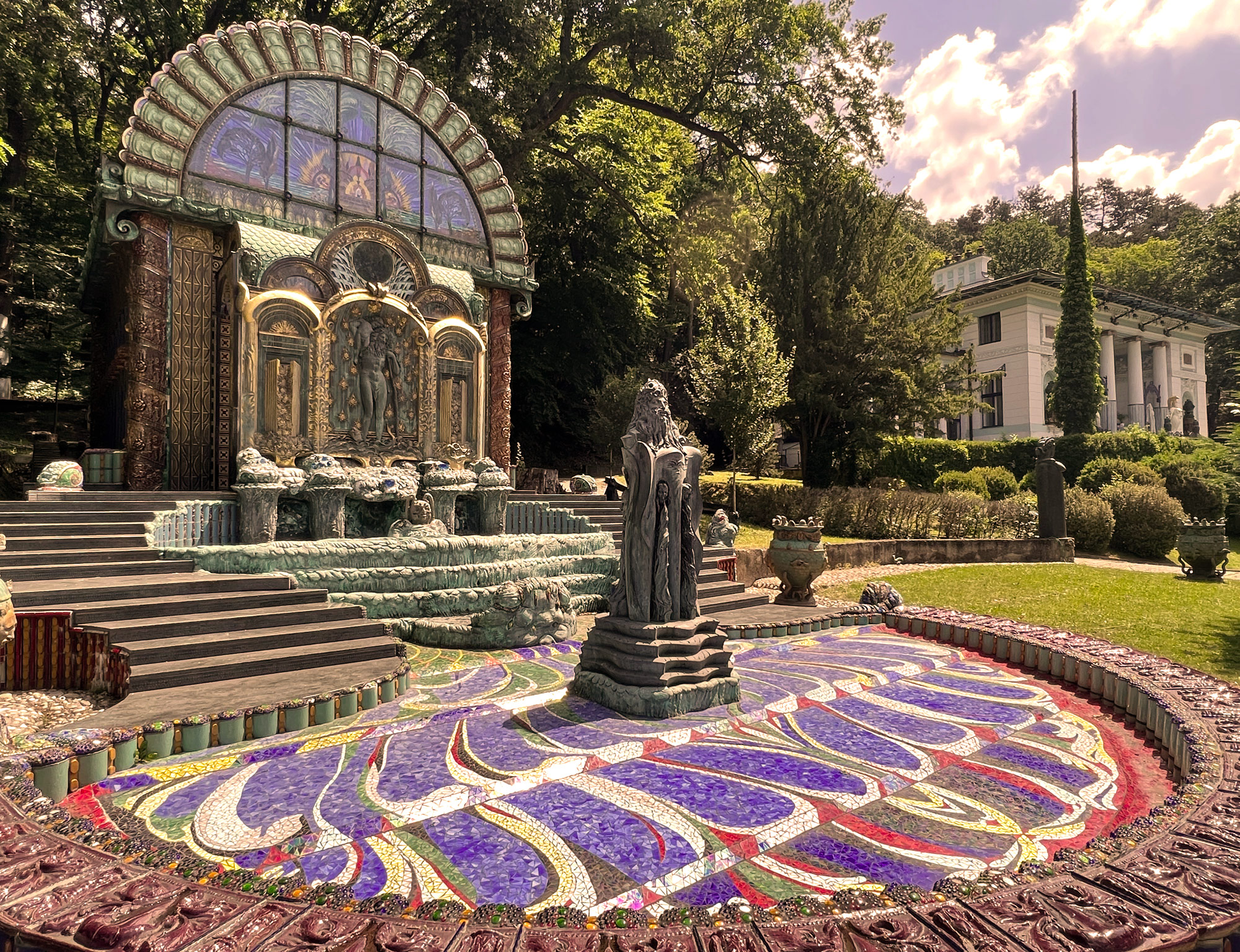
Villa Wagner
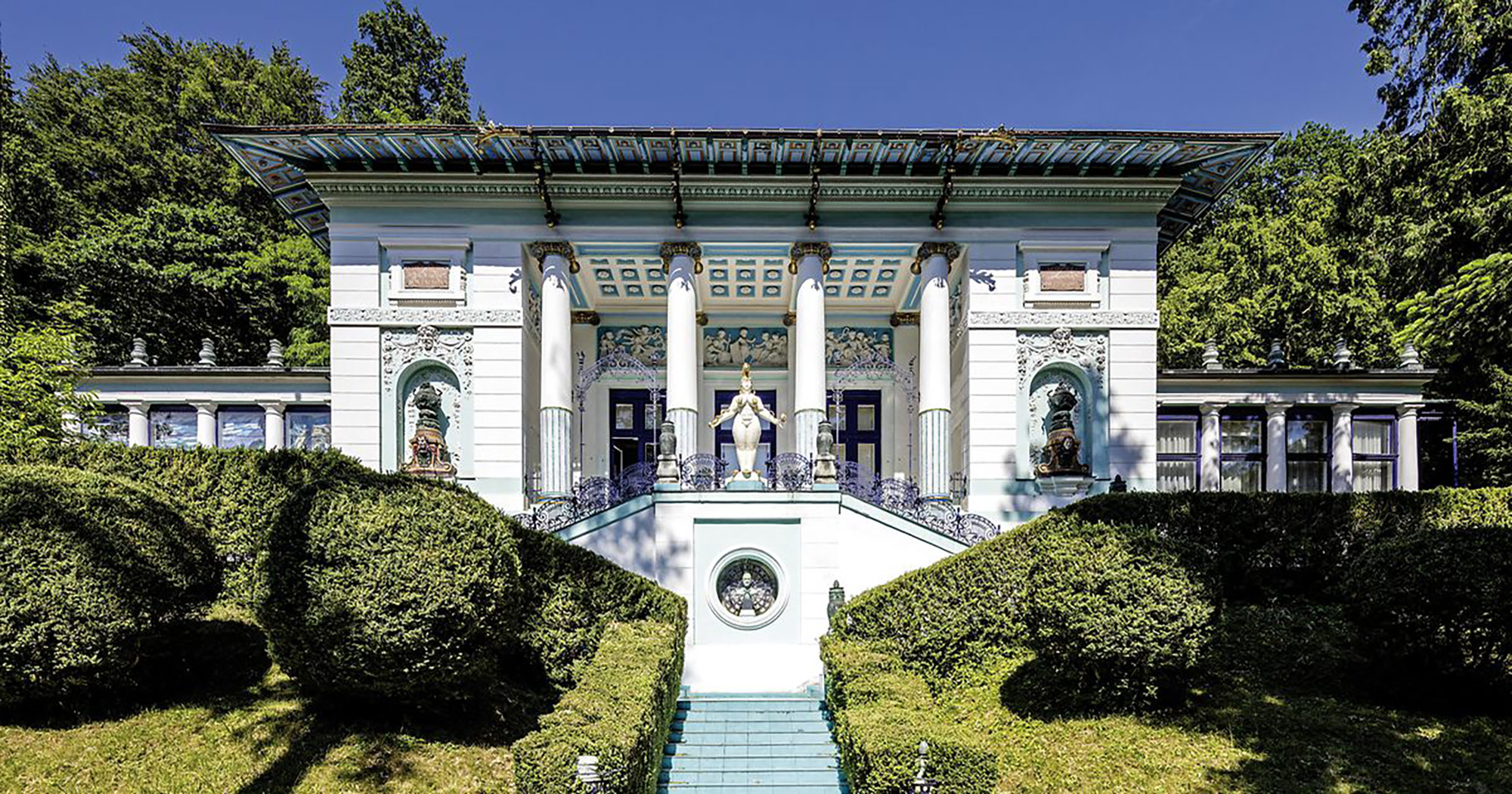
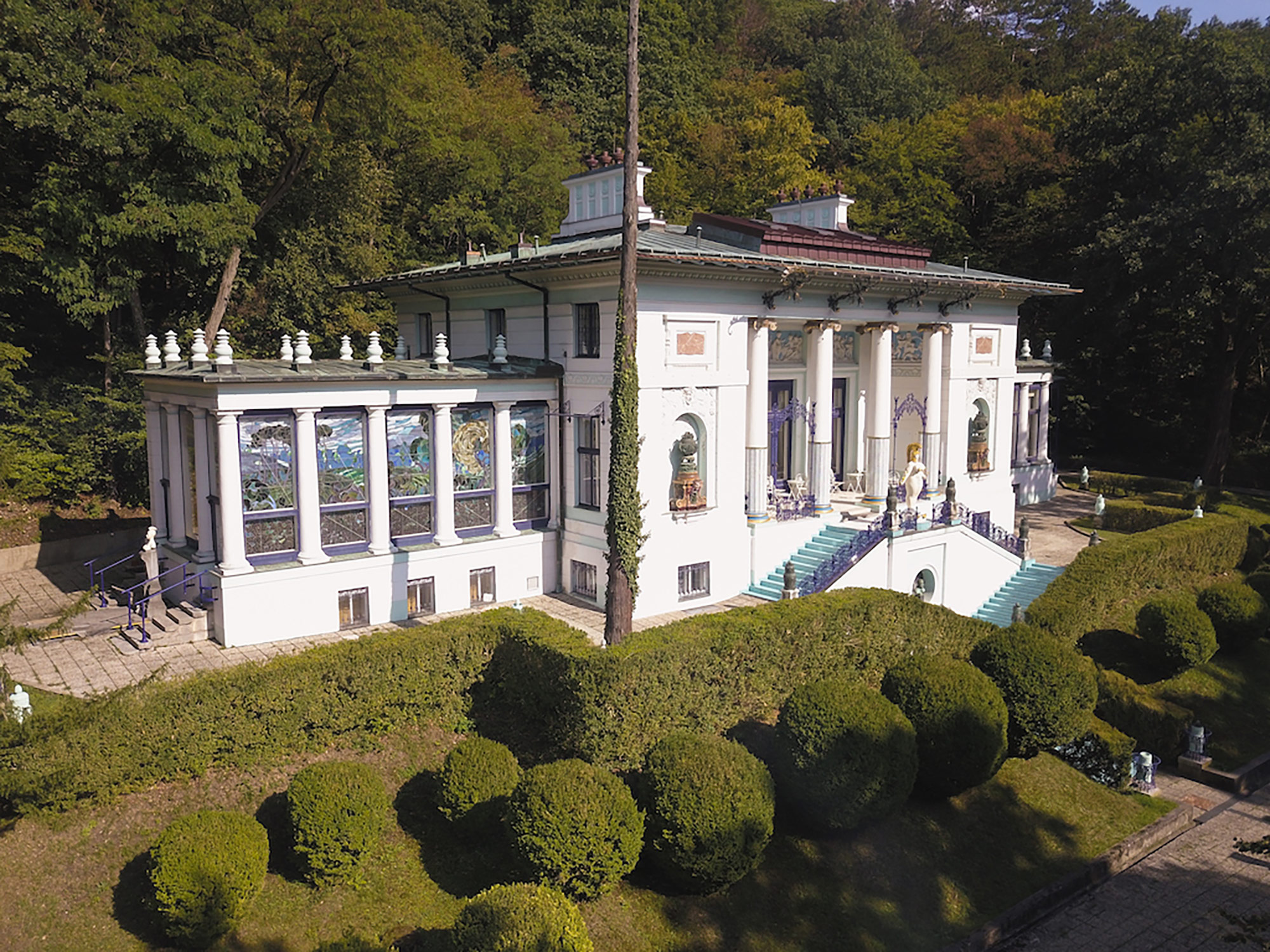
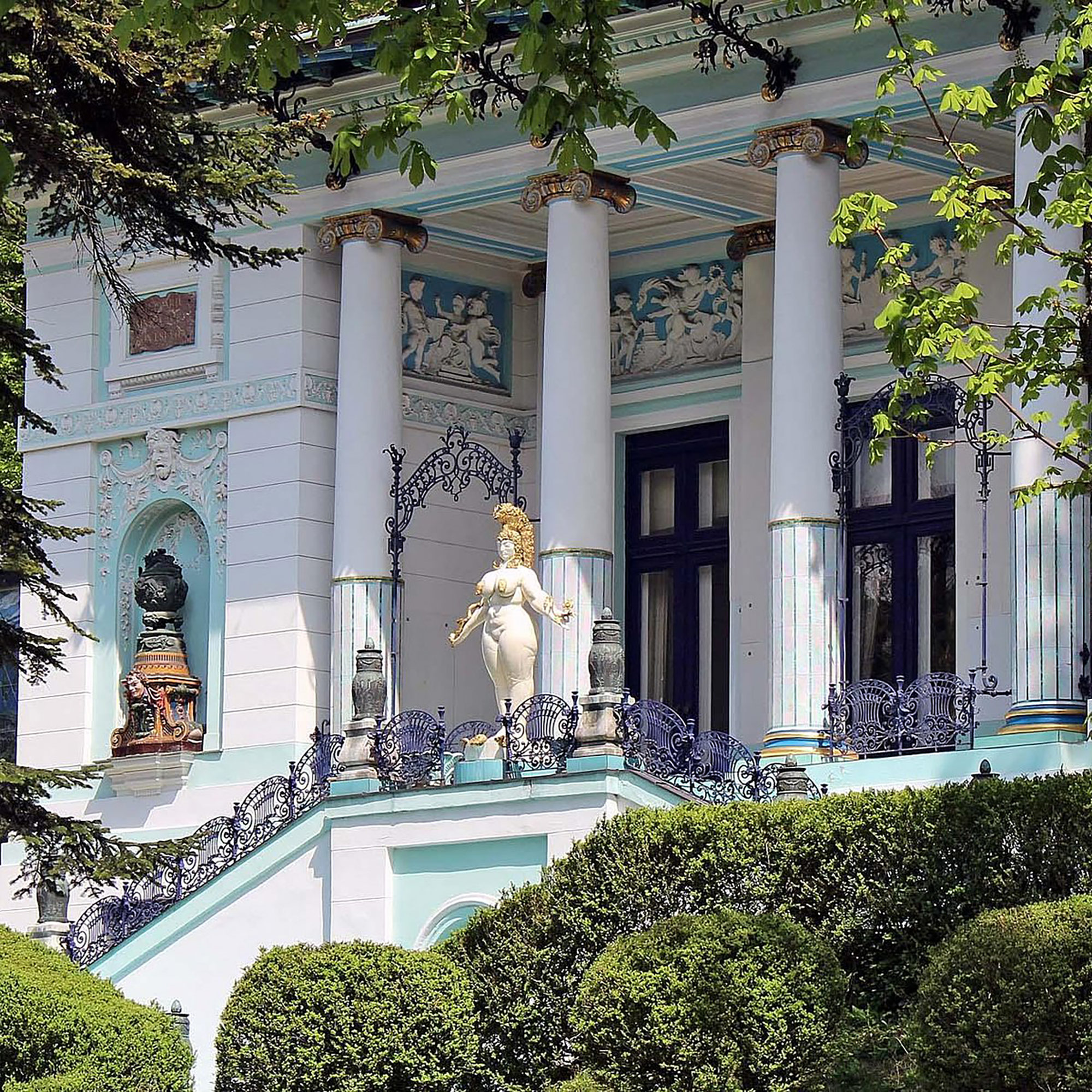
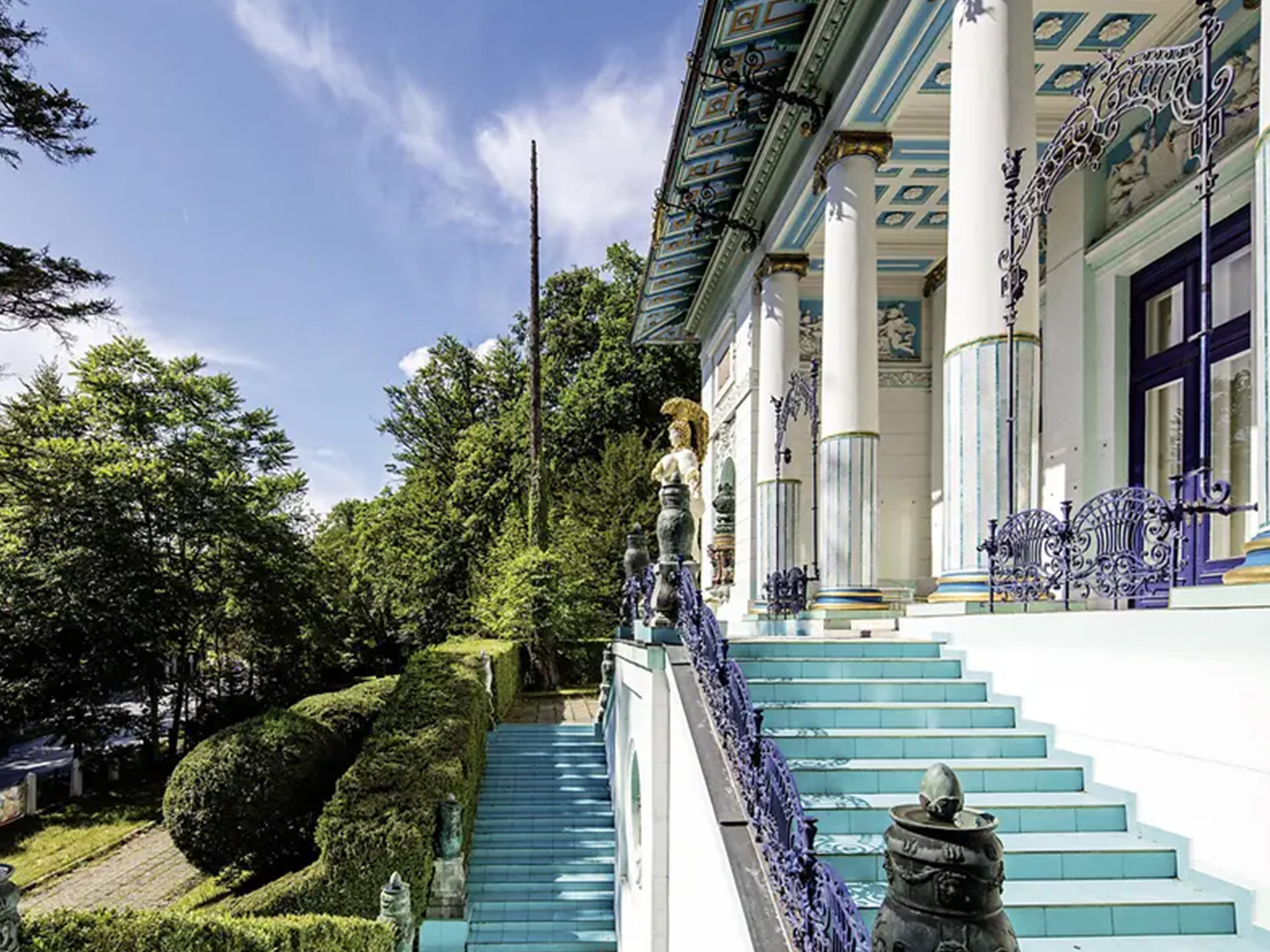
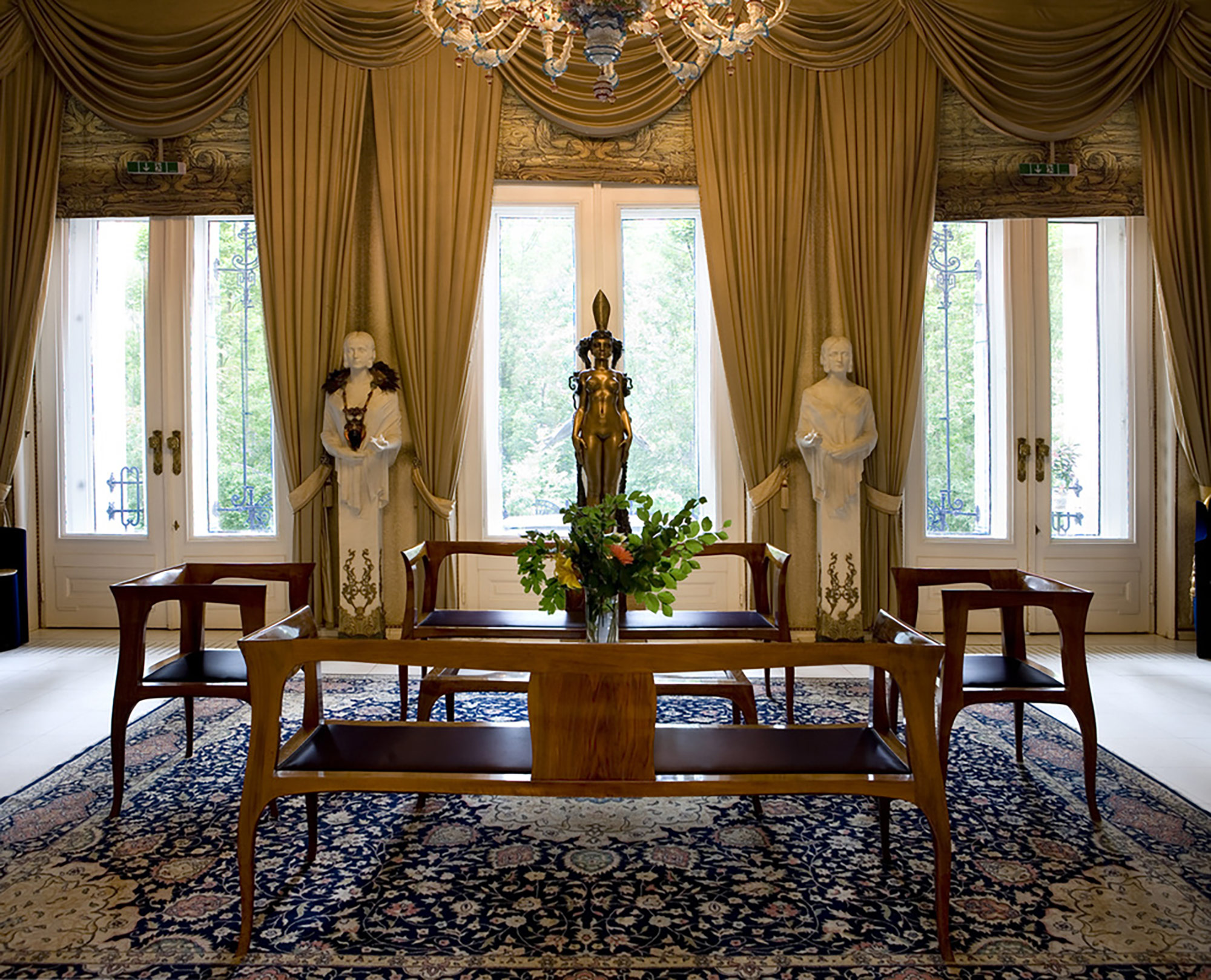
Immersed in the greenery of the Wienerwald in Vienna's 14th district, Villa Wagner I represents a striking example of "artistic rebirth".
This building is famous for being the perfect intersection between the rational genius of architect Otto Wagner and the visionary imagination of painter Ernst Fuchs.
The villa was designed and built between 1886 and 1888 by Otto Wagner, the father of Viennese modernism, who conceived it as a summer residence for himself and his family.
In the early twentieth century, the residence became the beating heart of the social and cultural life of Secessionist Vienna, hosting memorable parties attended by intellectuals and artists of the caliber of Gustav Klimt, Adolf Loos, Gustav Mahler, and Arthur Schnitzler.
In 1911 Wagner sold the property. In the following decades, the building went through a dramatic period: during World War II it was expropriated by the Nazis and used as a headquarters for the Hitlerjugend.
In the post-war period, the villa fell into a deep state of neglect and decay, seriously risking demolition.
The turning point came in 1972, when Ernst Fuchs purchased the property with his own funds, keeping a promise made to his mother as a child.
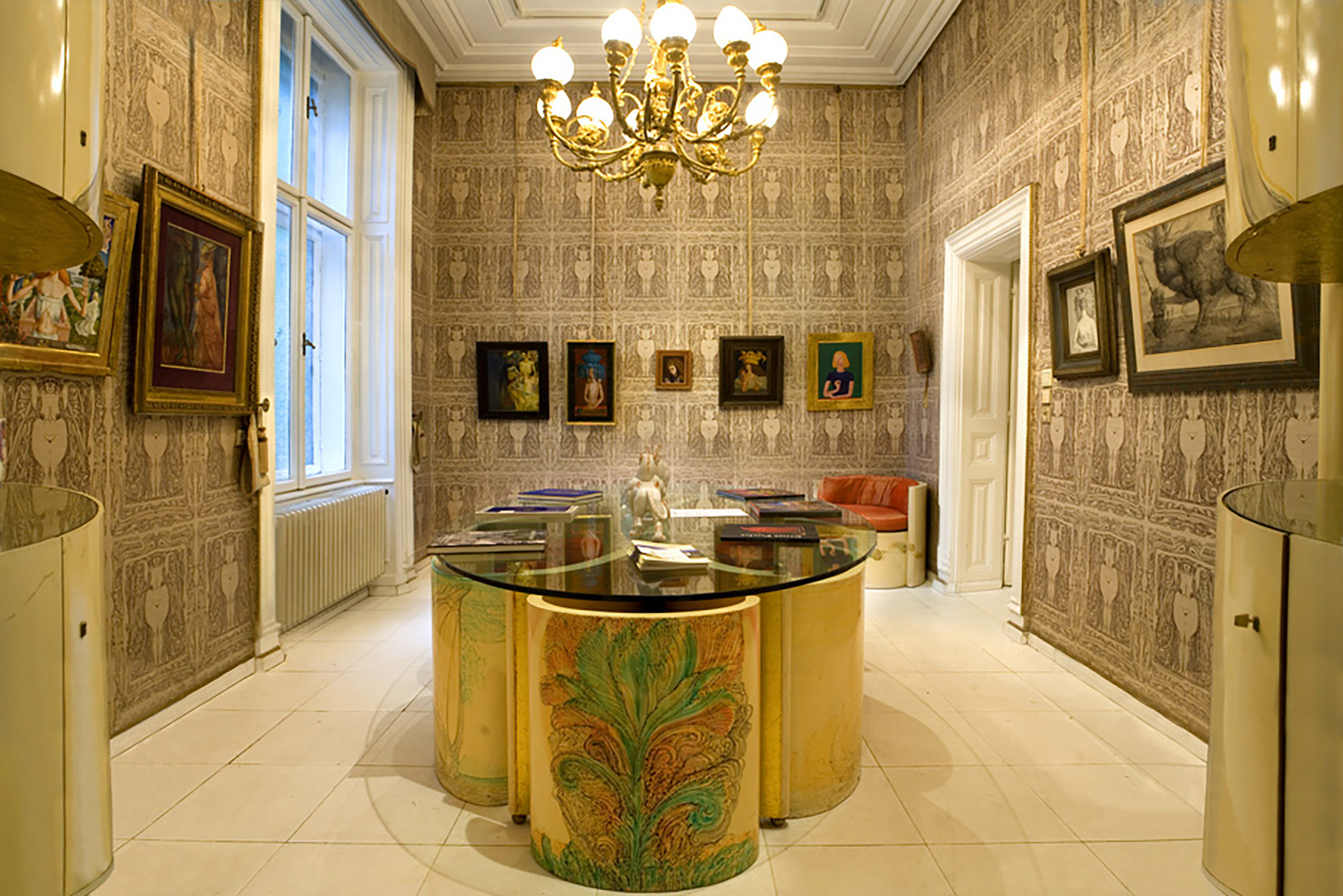
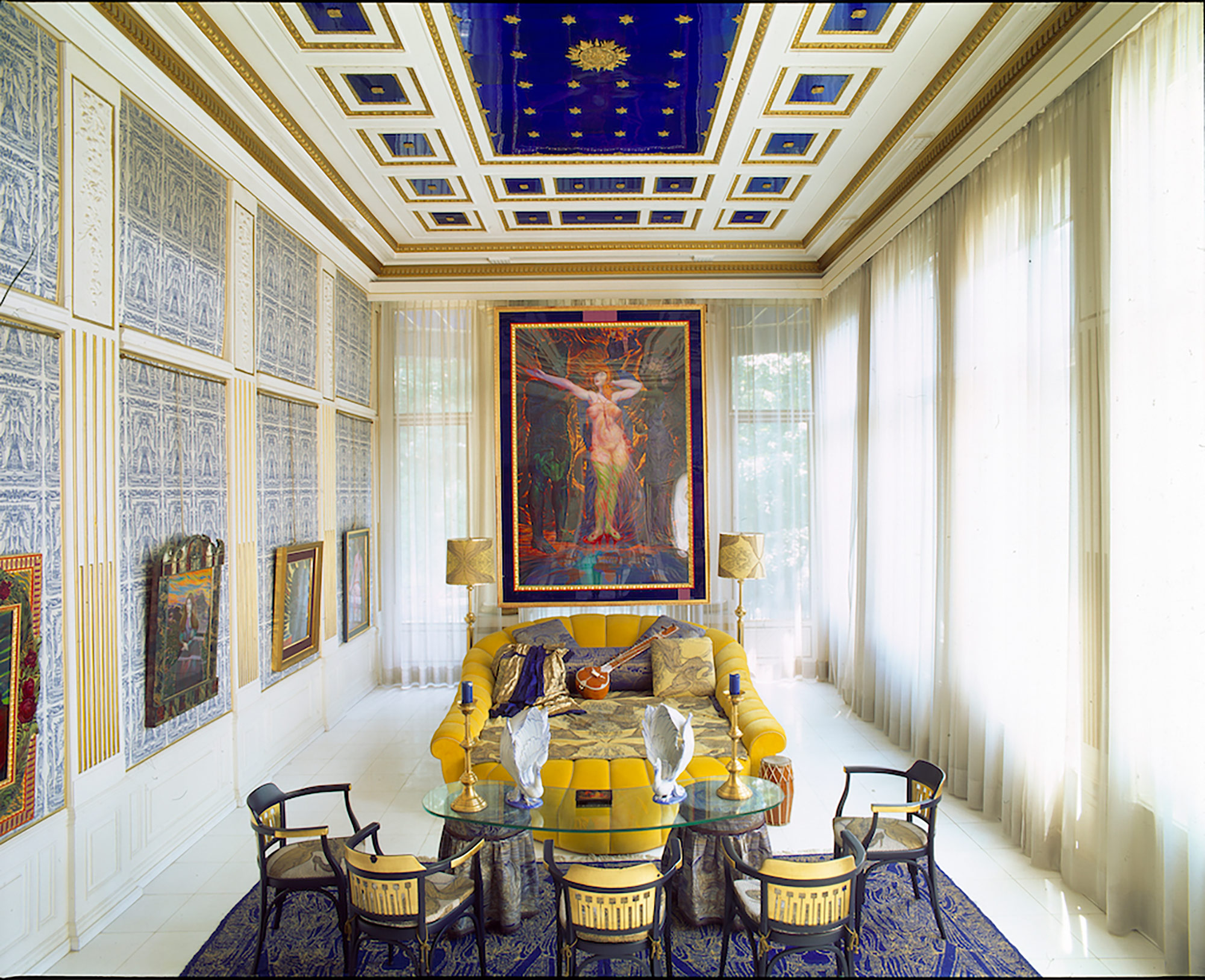
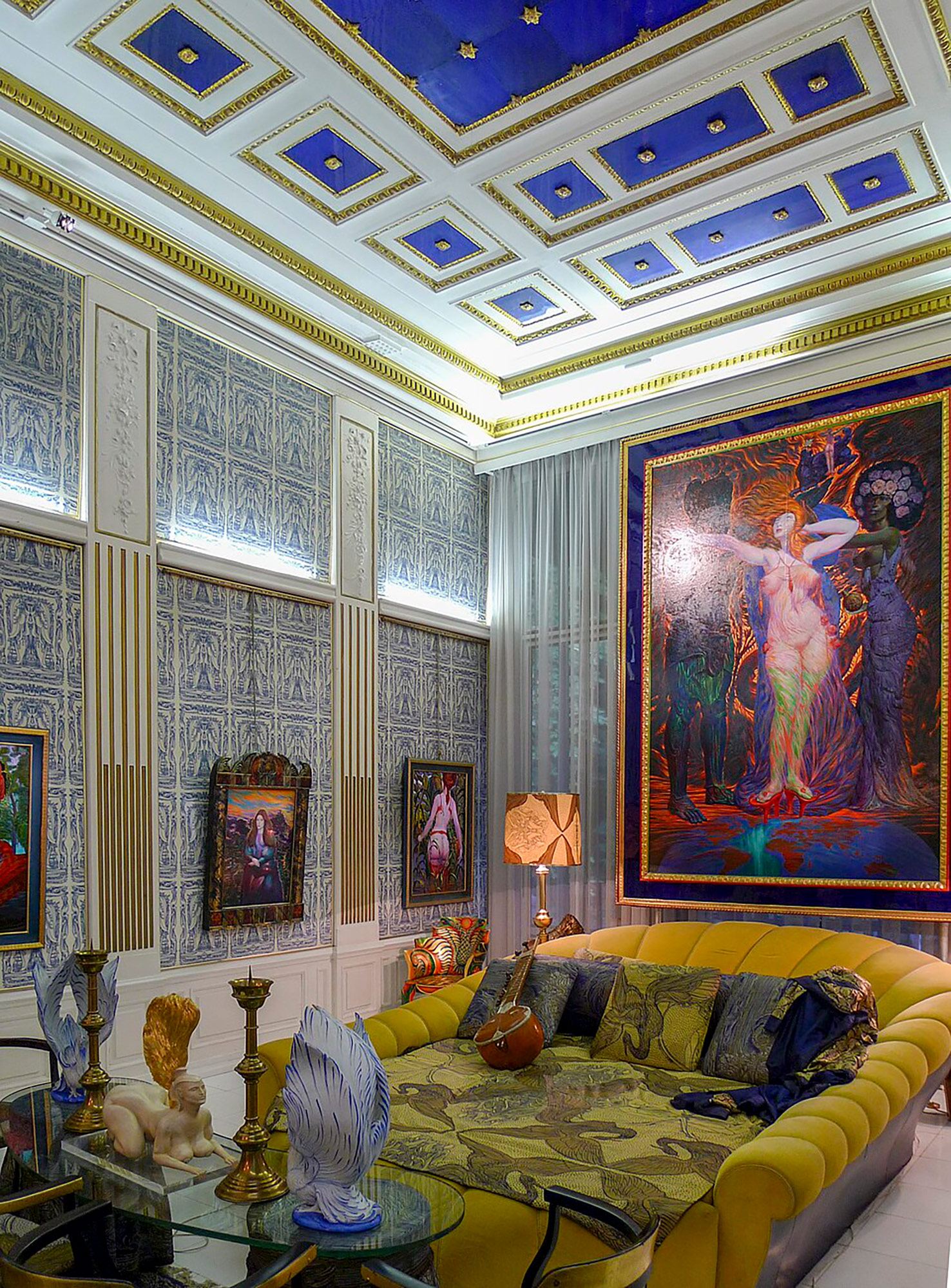
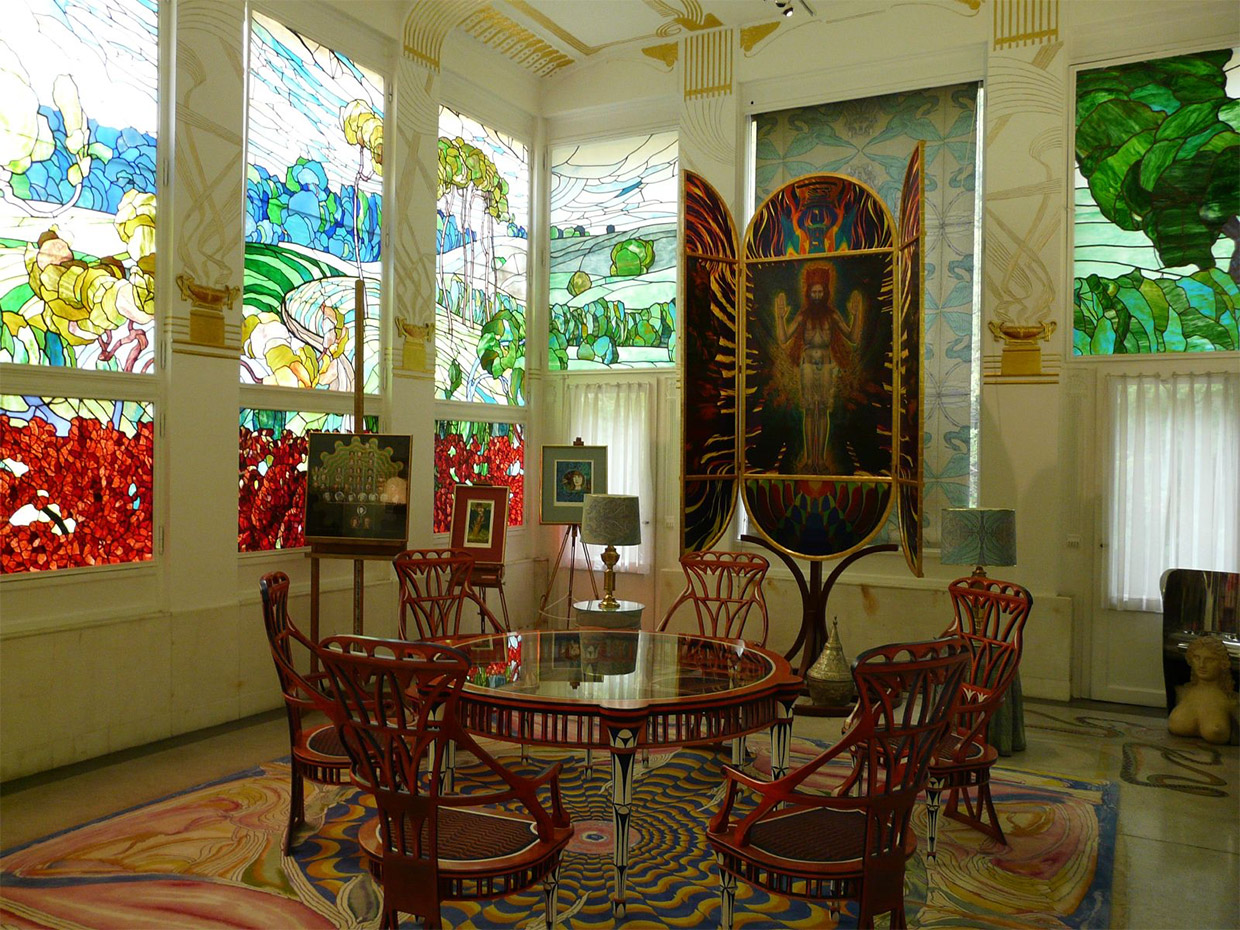
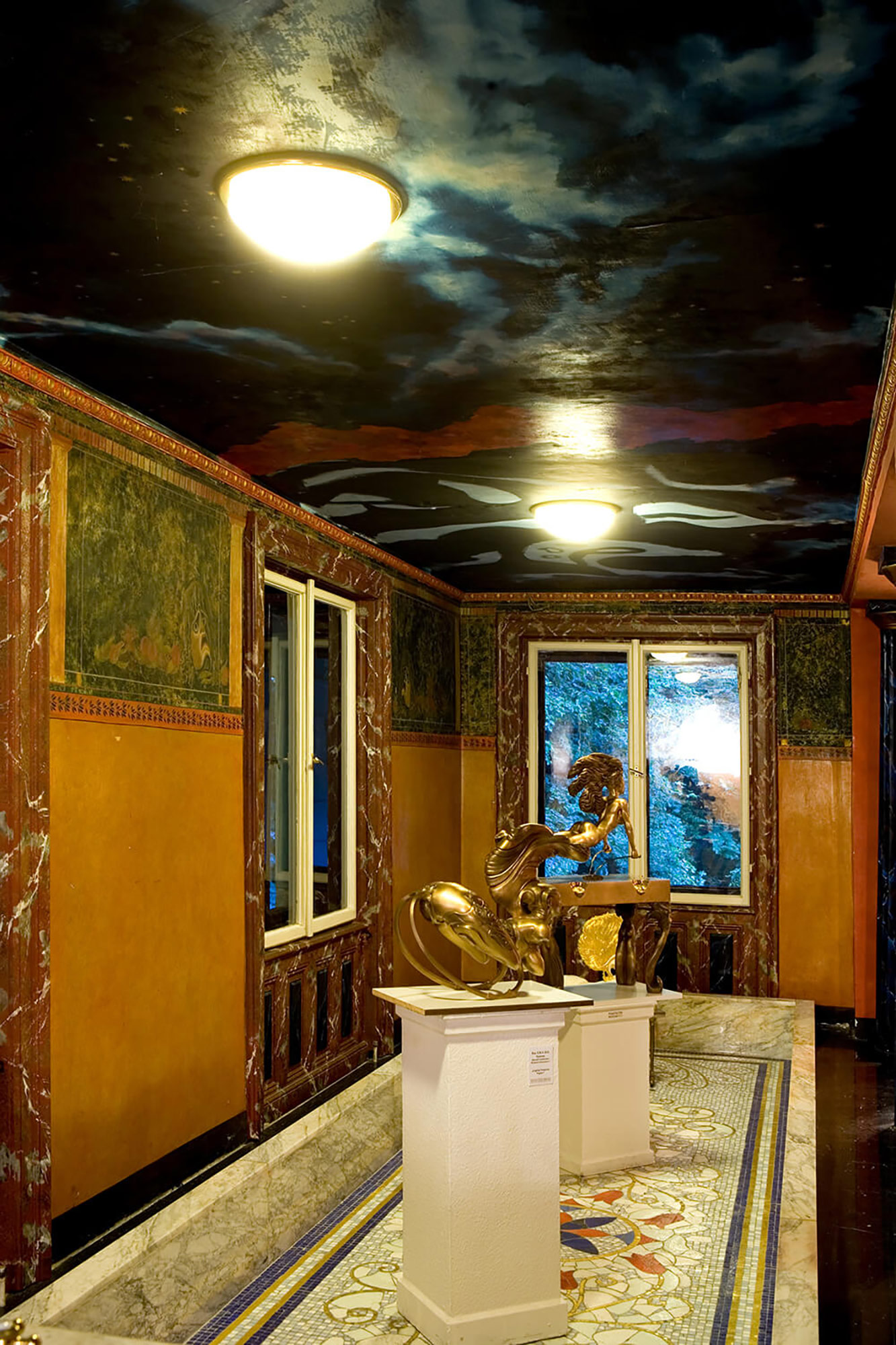
Fuchs saved it from the bulldozers, radically restoring it and converting it into his artist's atelier and creative studio.
Today, the villa is officially open to the public as the Ernst Fuchs Museum.