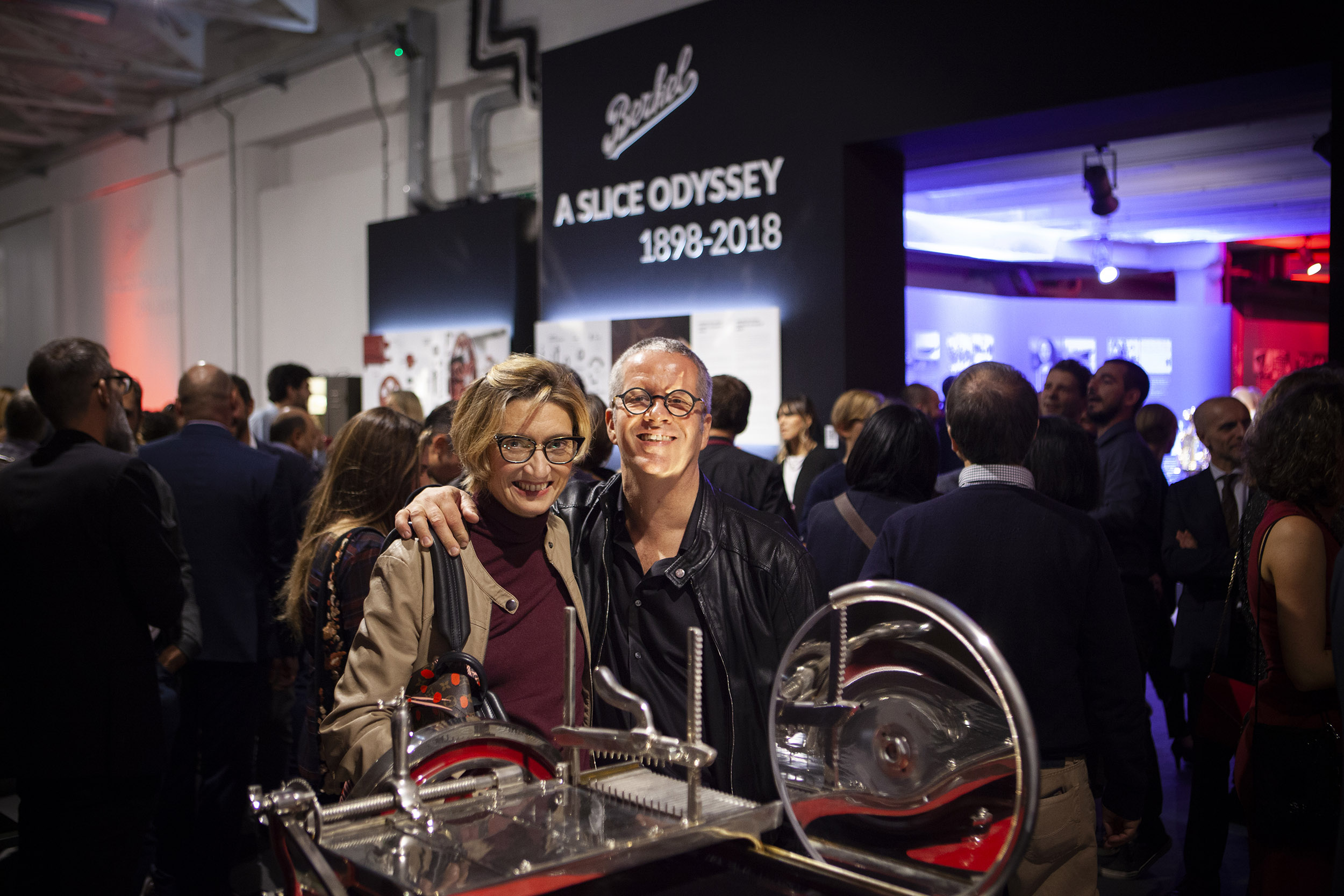







Seconds, minutes, hours, days, weeks, months, years, lustra, decades, twenty years at a time. A century ends and a new millennium begins. Time goes by, trends change, wheels turn. Like a bicycle, a carousel or Leonardo da Vinci’s flywheel. Ideas trigger revolutions and objects tell stories. The story of a man and the story of a brand.
Time flows, democratic and unrelenting. There’s only one way for humans to face the passage of time and create the illusion that the randomness of events can actually be limited: to stop in the present, look at the past and design the future. Time flies, it flies, leaving behind everlasting marks and heavy legacies.
Time cannot be stopped or bent to our will. The very idea of traveling back to a bygone era, or discovering what the future holds for us, is not only impossible: it is useless. All we can do is dwell on where we were at a particular time, or what we could have become if only we were born in another corner of the world or lived in another era.
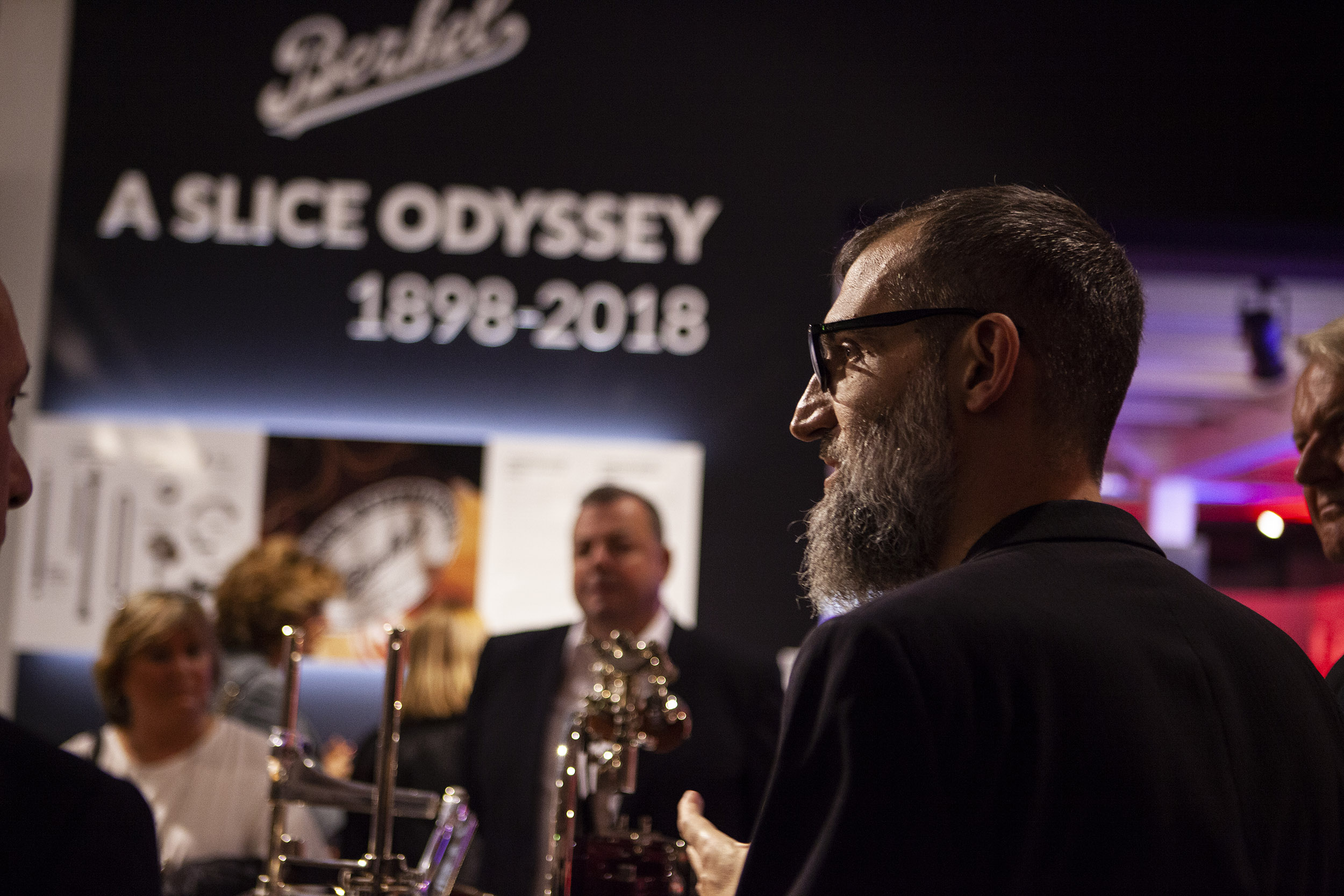
Why should we take this journey, then? Why should we browse this family album when it’s not our family but everybody’s? Why should we let ourselves go and follow a story with a beginning - when it comes to Berkel, it’s 1898 - and an end in the present, but a future yet to be written? Why can’t we just celebrate the here and now?
The answer is easy: because there’s beautiful things out there. Things that become eternal. Things that have been, are and will always be. Like the bone floating in the air and turning into a spaceship in “2001: A Space Odyssey”. James Dean in “Rebel Without A Cause” and Marlon Brando in “On The Waterfront”. The Ride of the Valkyries and Jimi Hendrix. The Scream by Munch and the scream by Muhammed Ali.
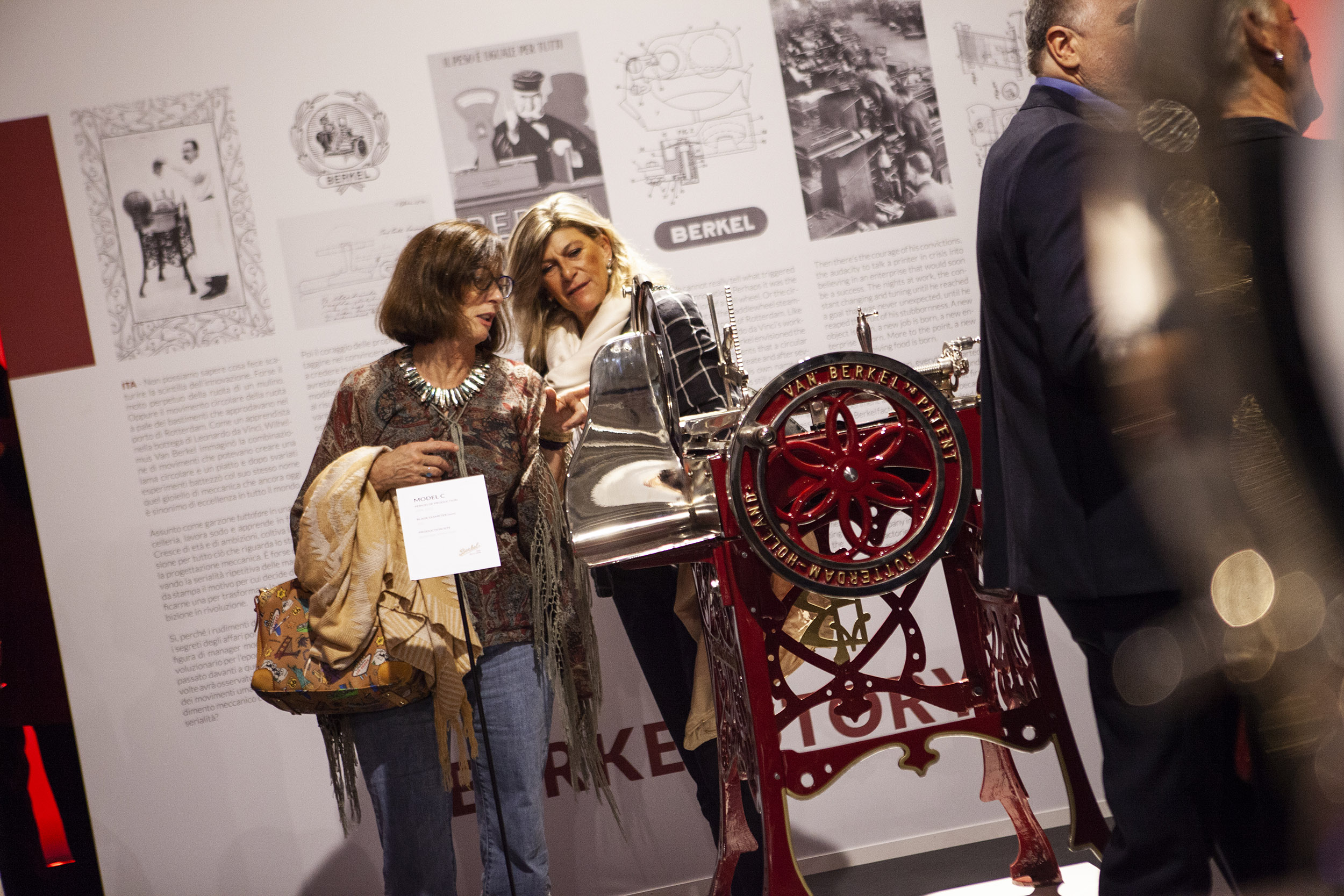
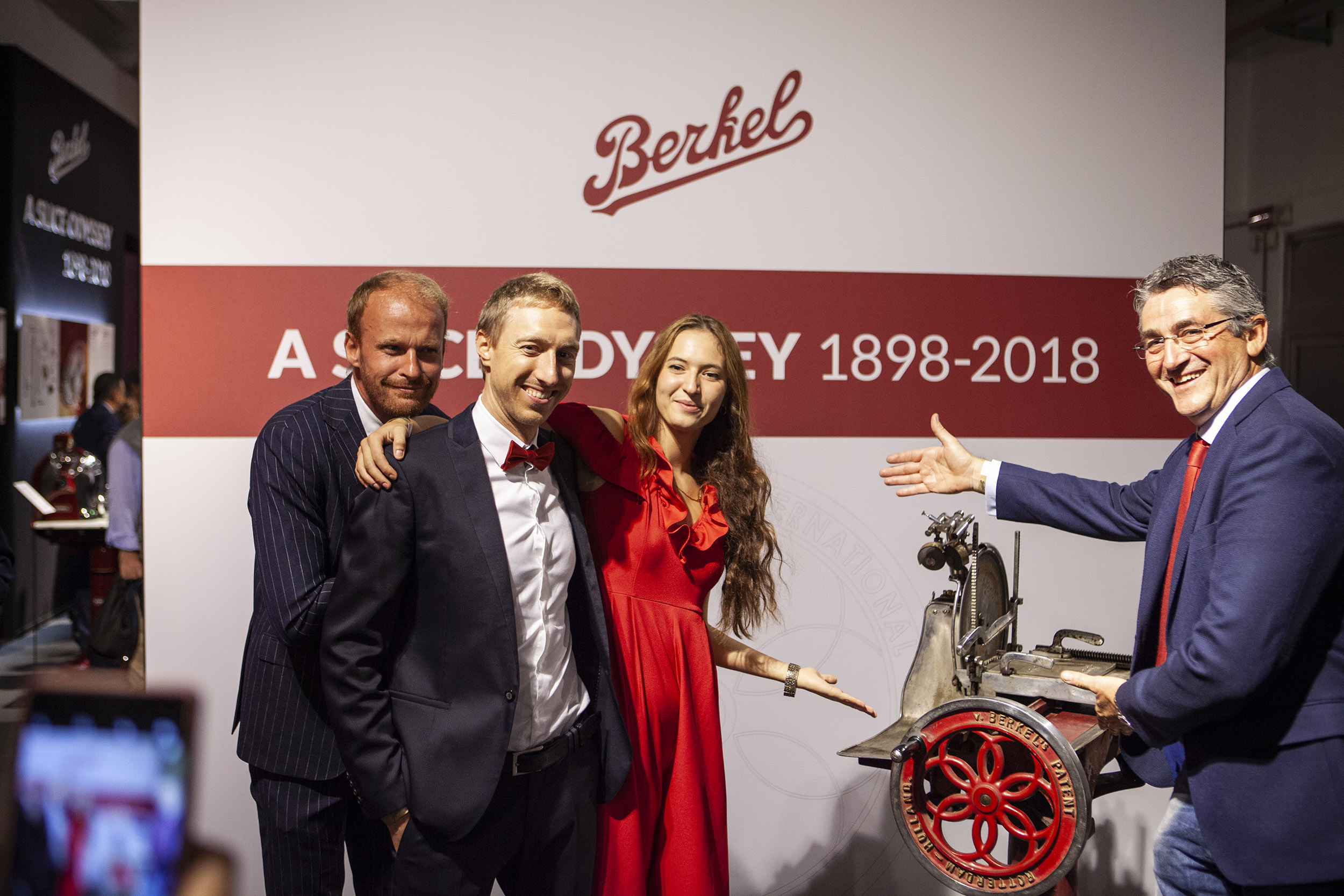
When at the end of the 19th century Wilhelmus Van Berkel sketched the first drawings of what would become the slicer par excellence, chances are he only wanted to bring the principles of mechanics into a butcher shop. However, he triggered a revolution. One that never stopped. A revolution that brought us right here, right now, celebrating the genius that turns something useful into something beautiful and takes us for a journey.
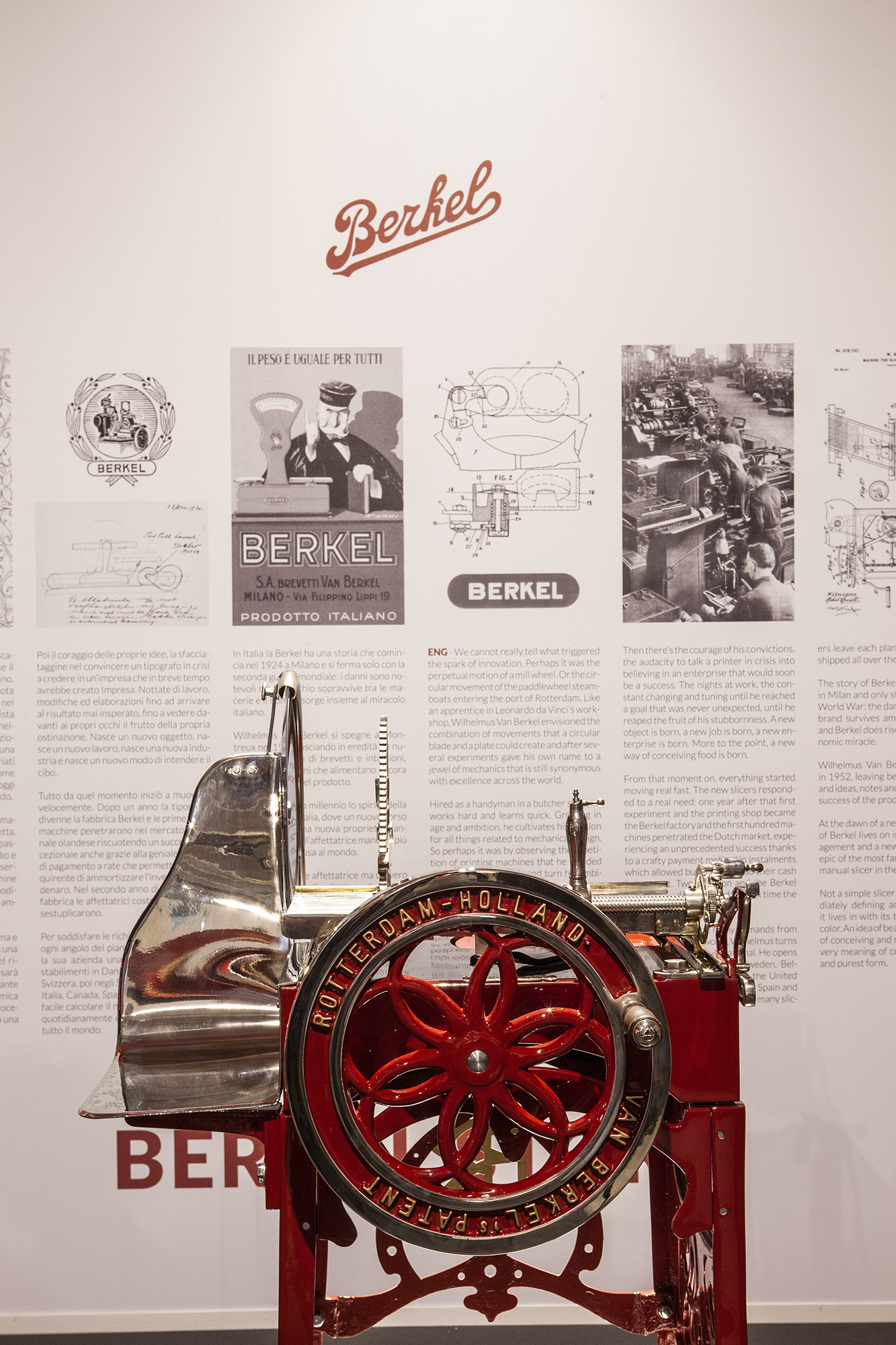
An everyday product that becomes lyrical and ends up in modern apartments and new skyscrapers as a piece of industrial design, the Berkel flywheel slicer was born perfect in its linearity, therefore unperfectable. Like a bicycle, a fountain pen, a mechanical clock. An object that's remained the same throughout the thickest, most intense century in human history: a flywheel constantly spinning like the wheel of time, unmoved in the midst of the storms of history.
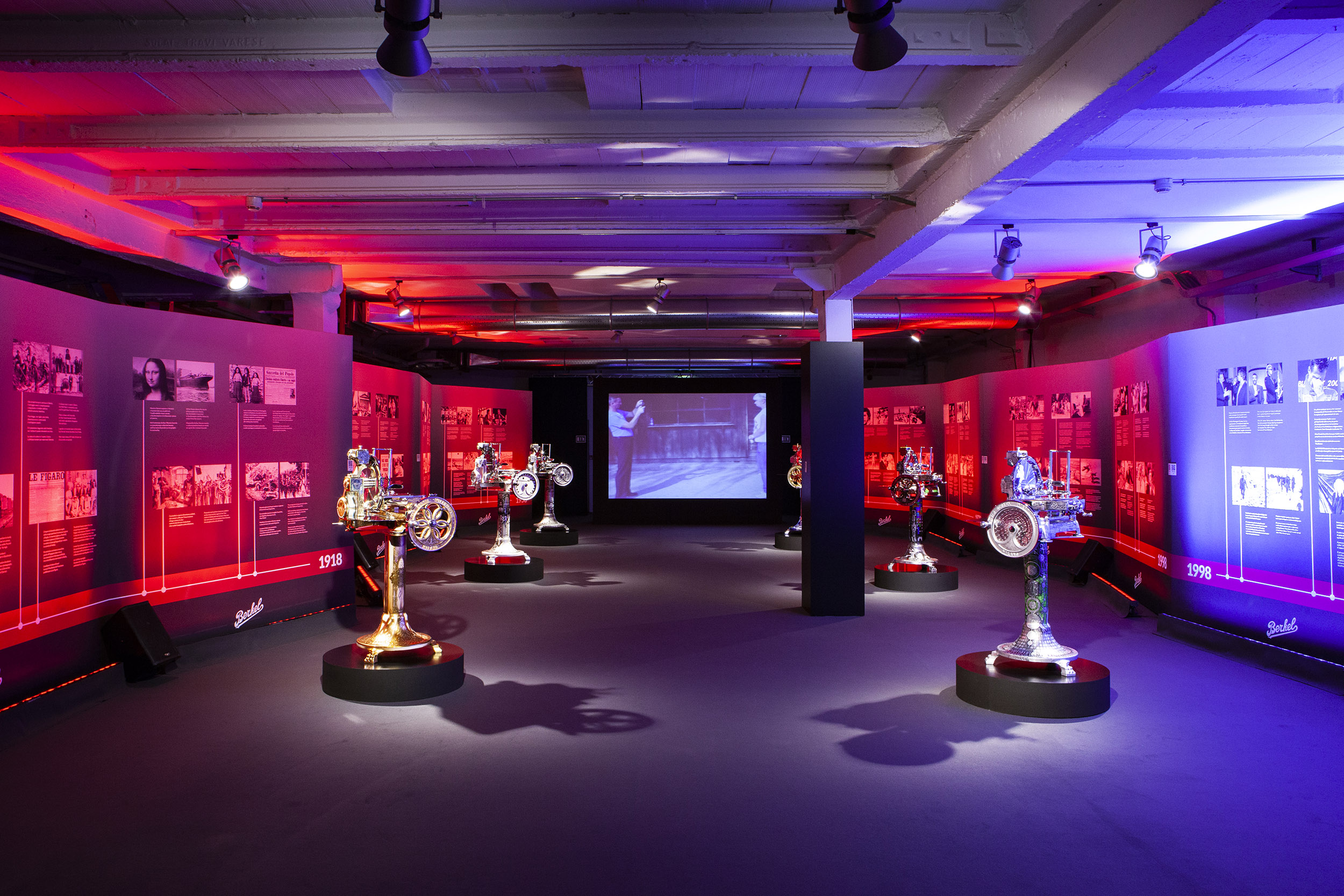
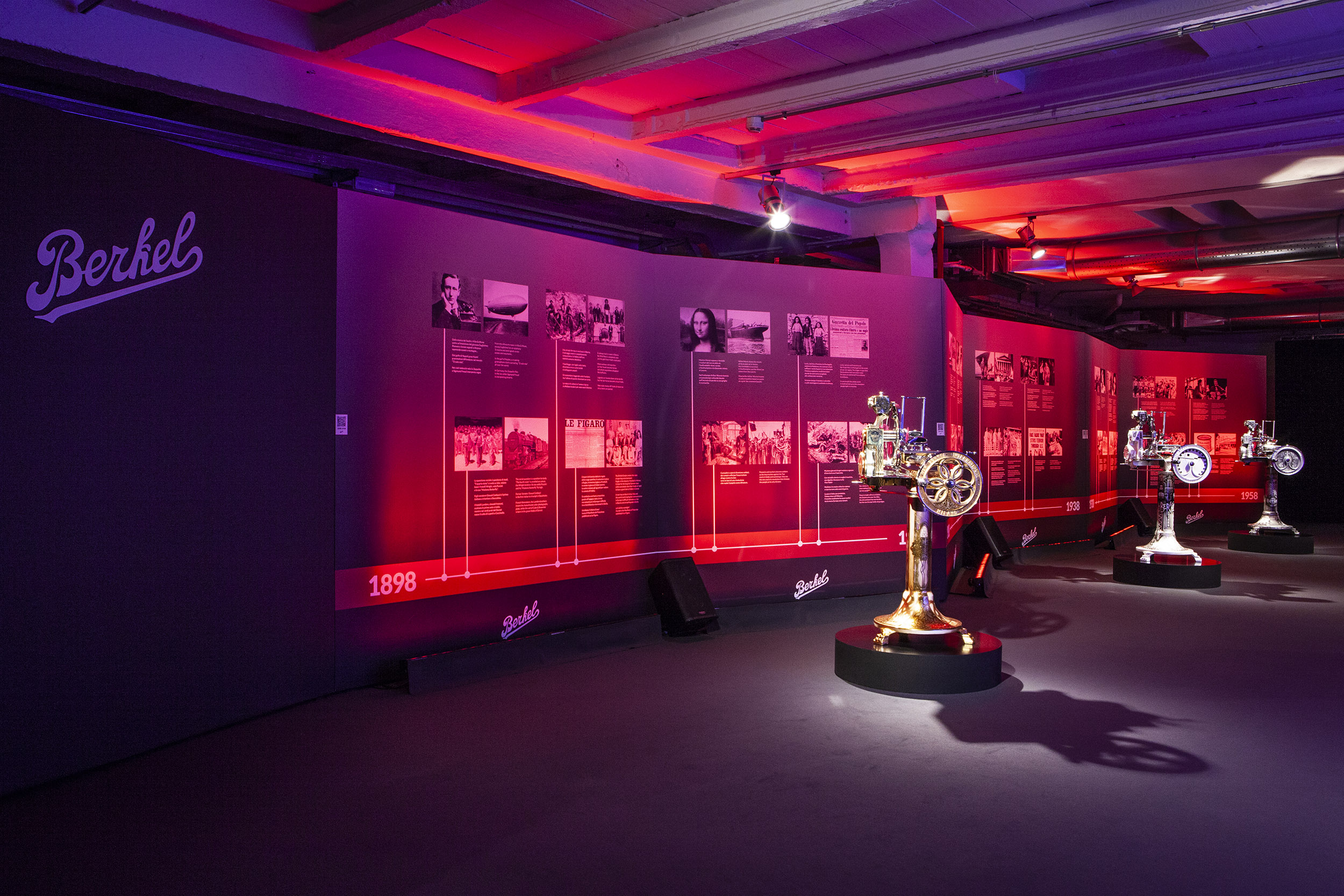
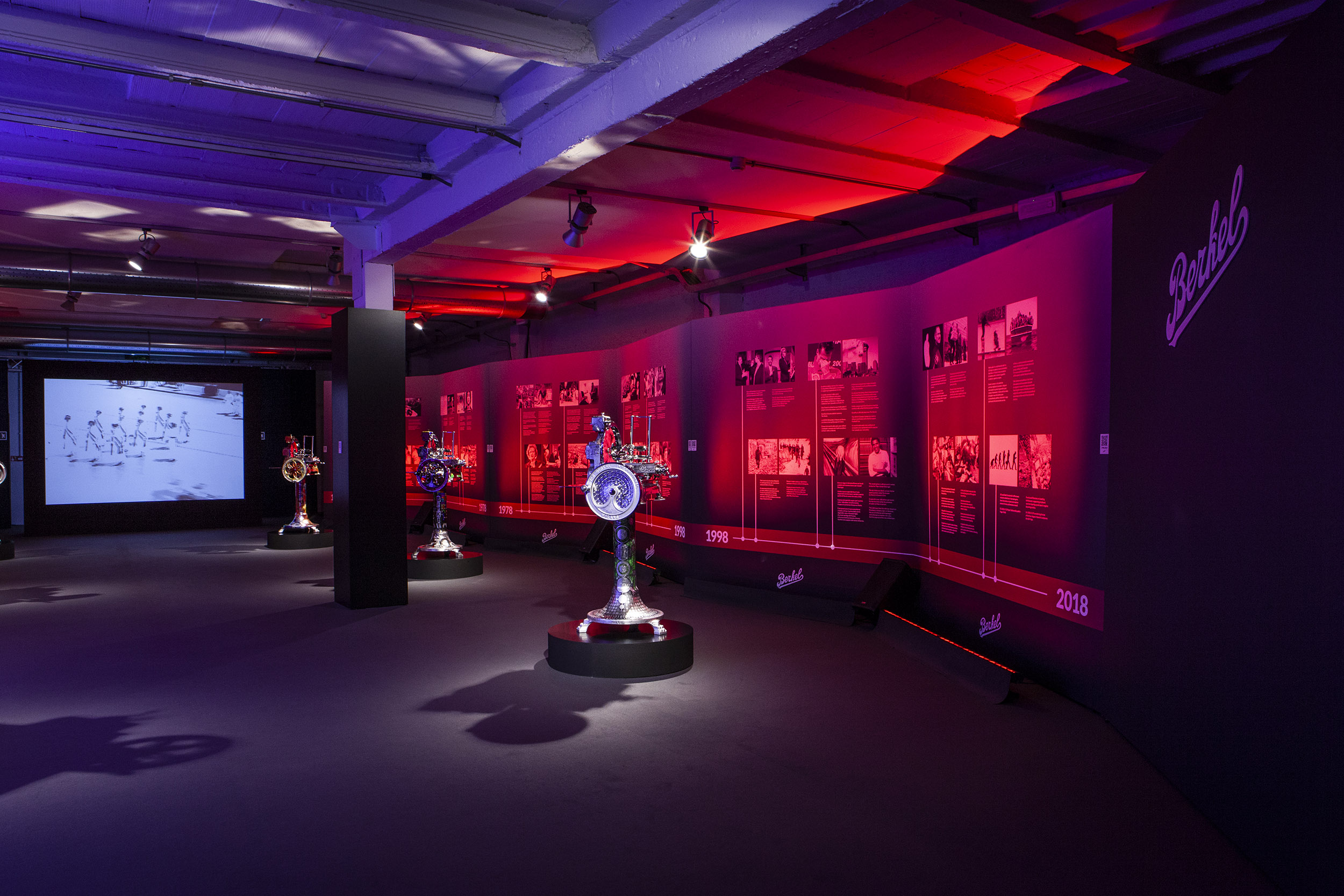
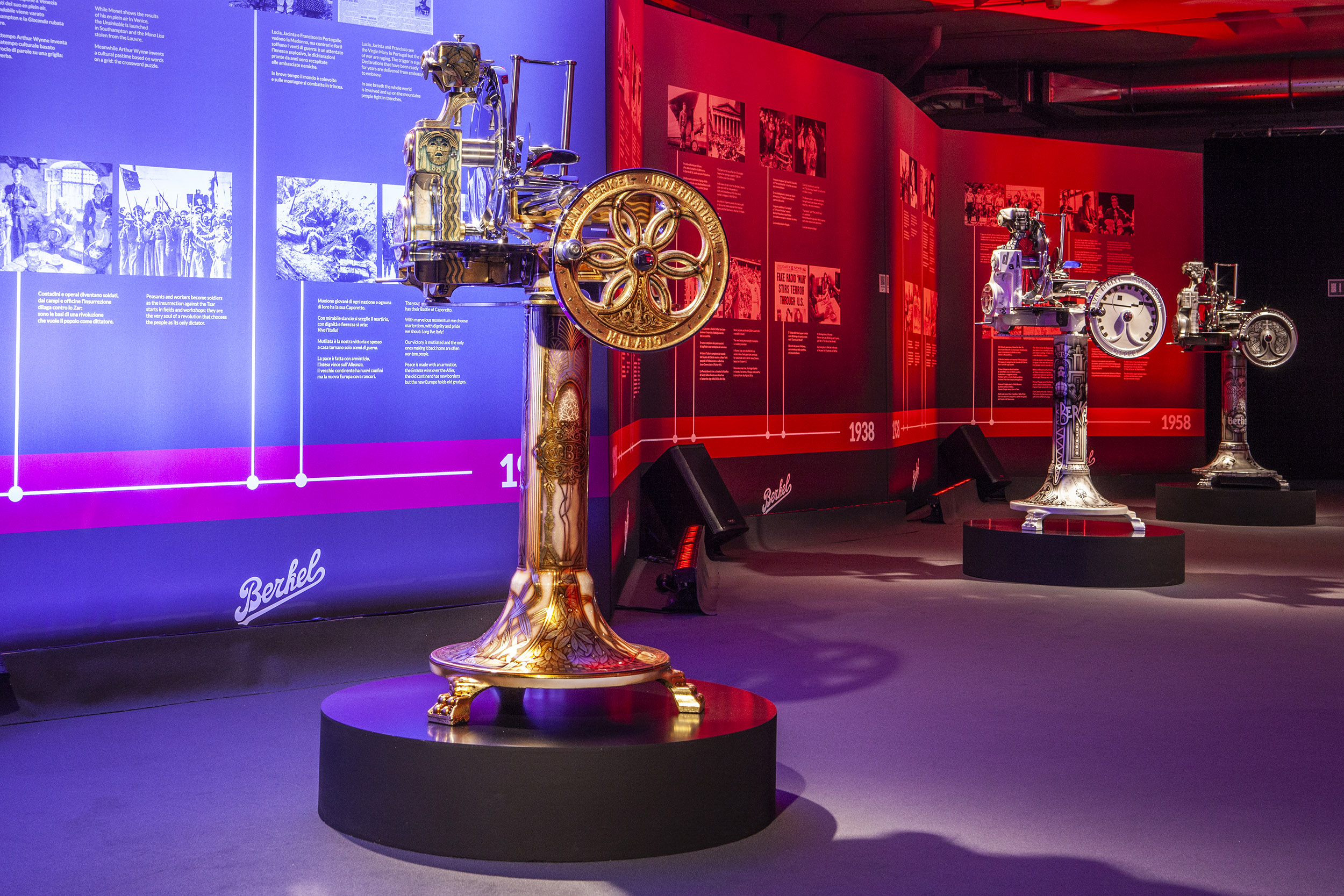
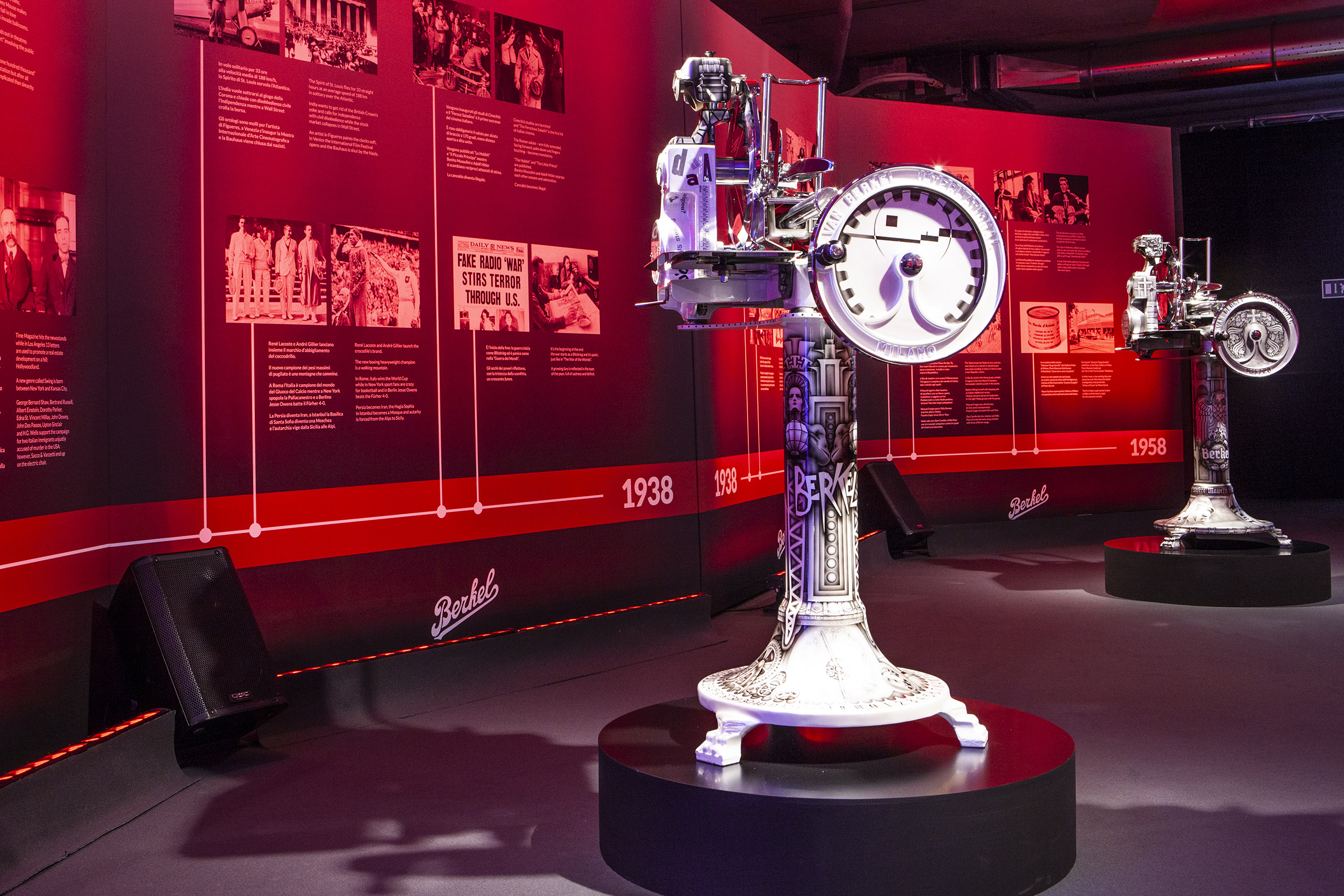
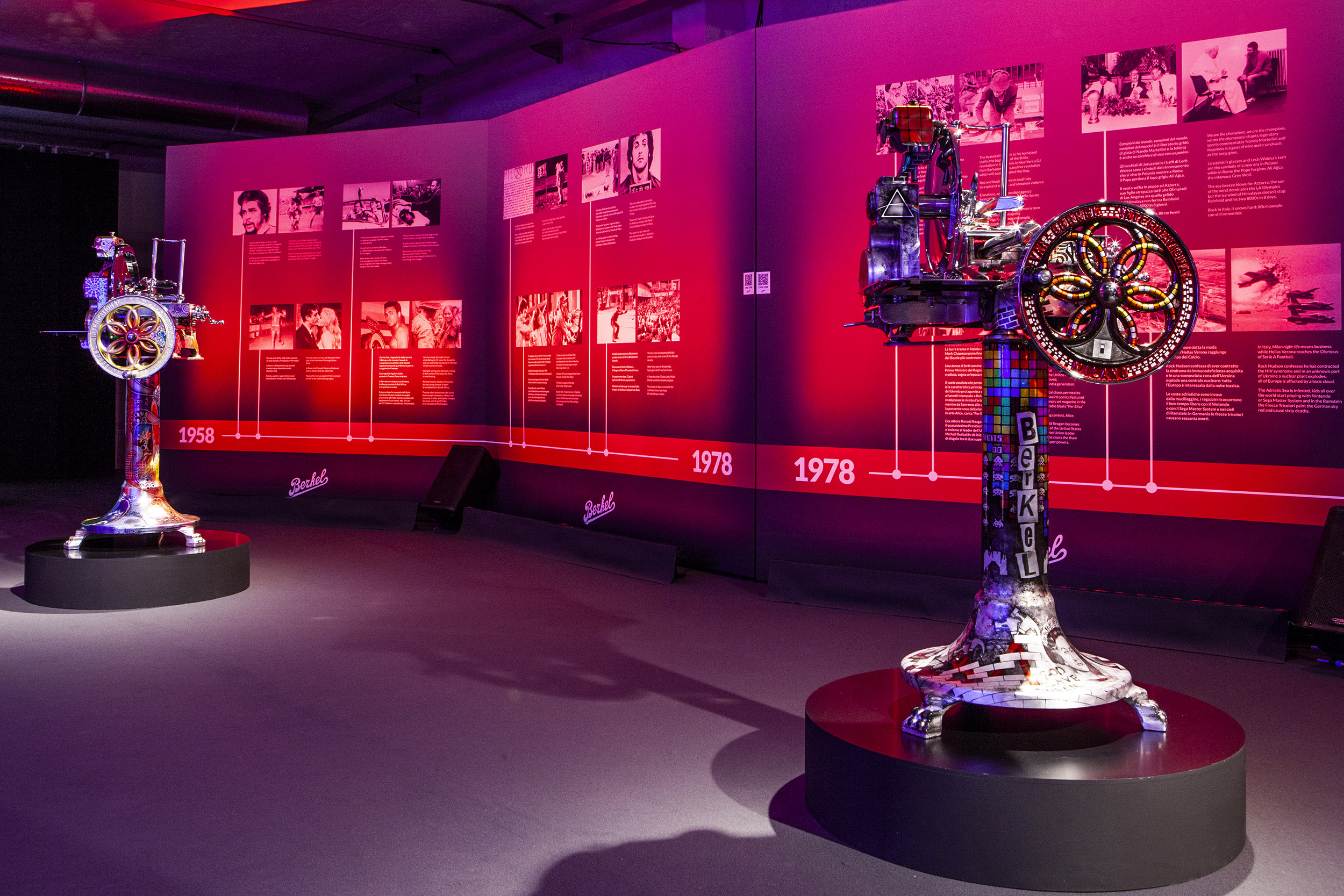
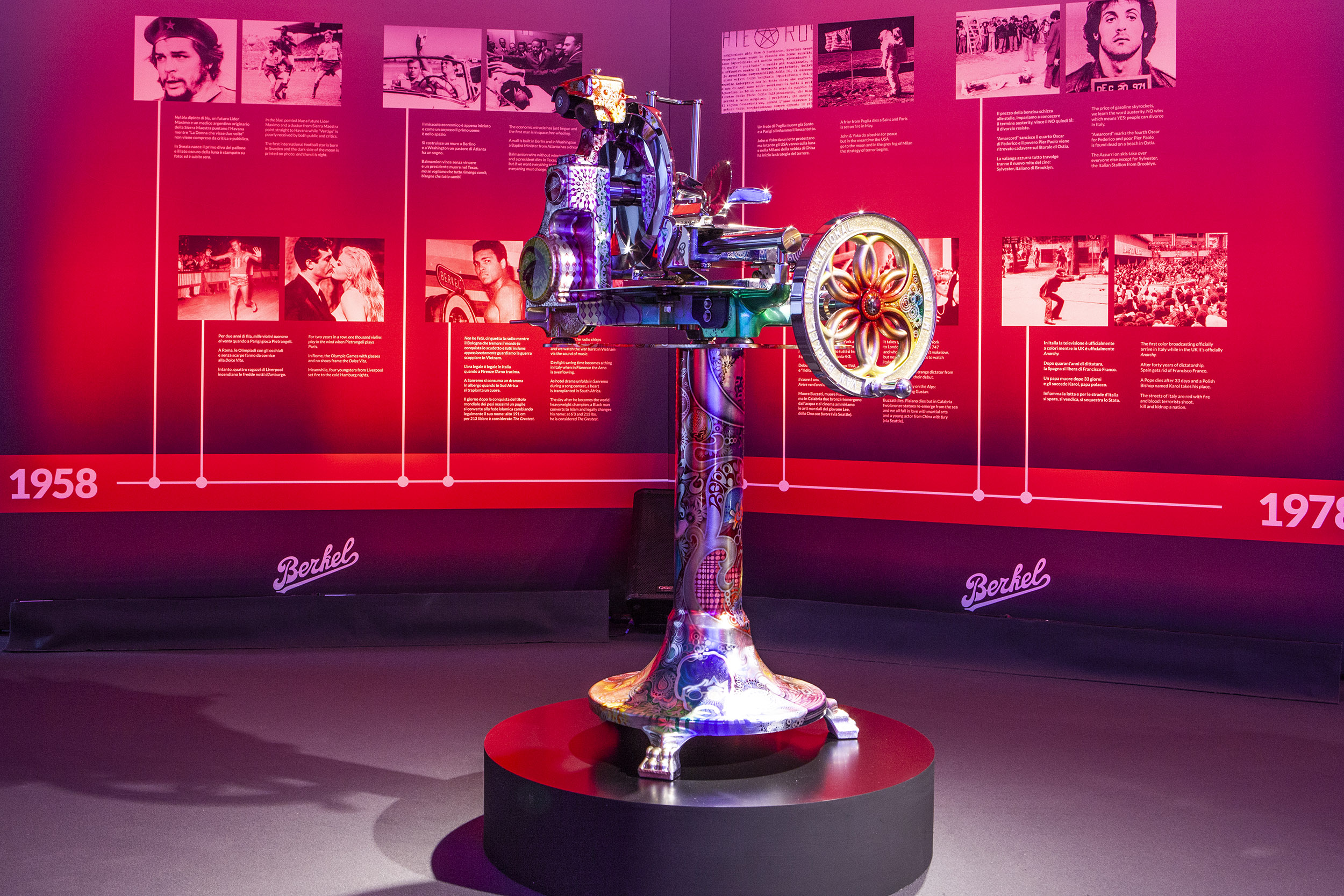
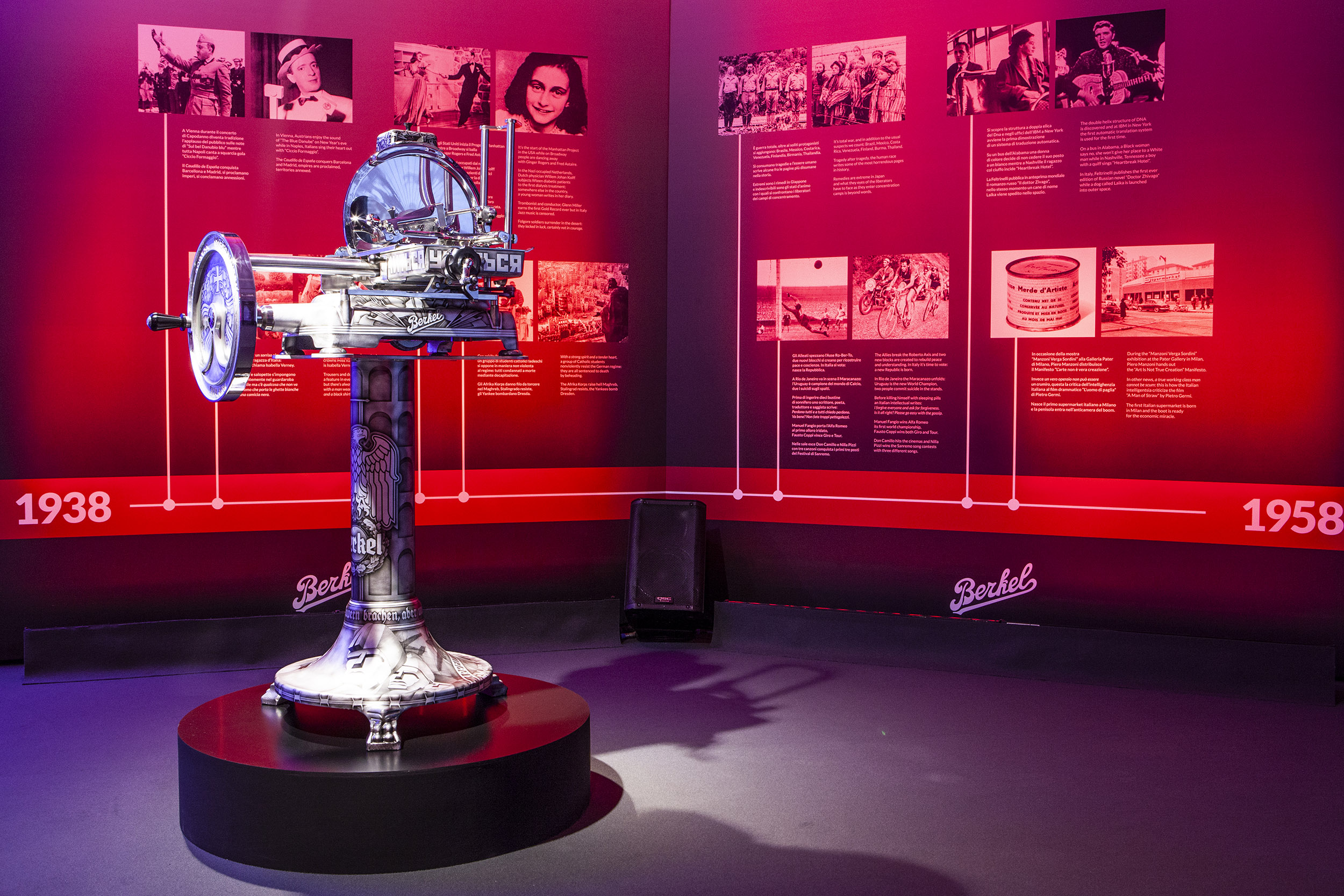
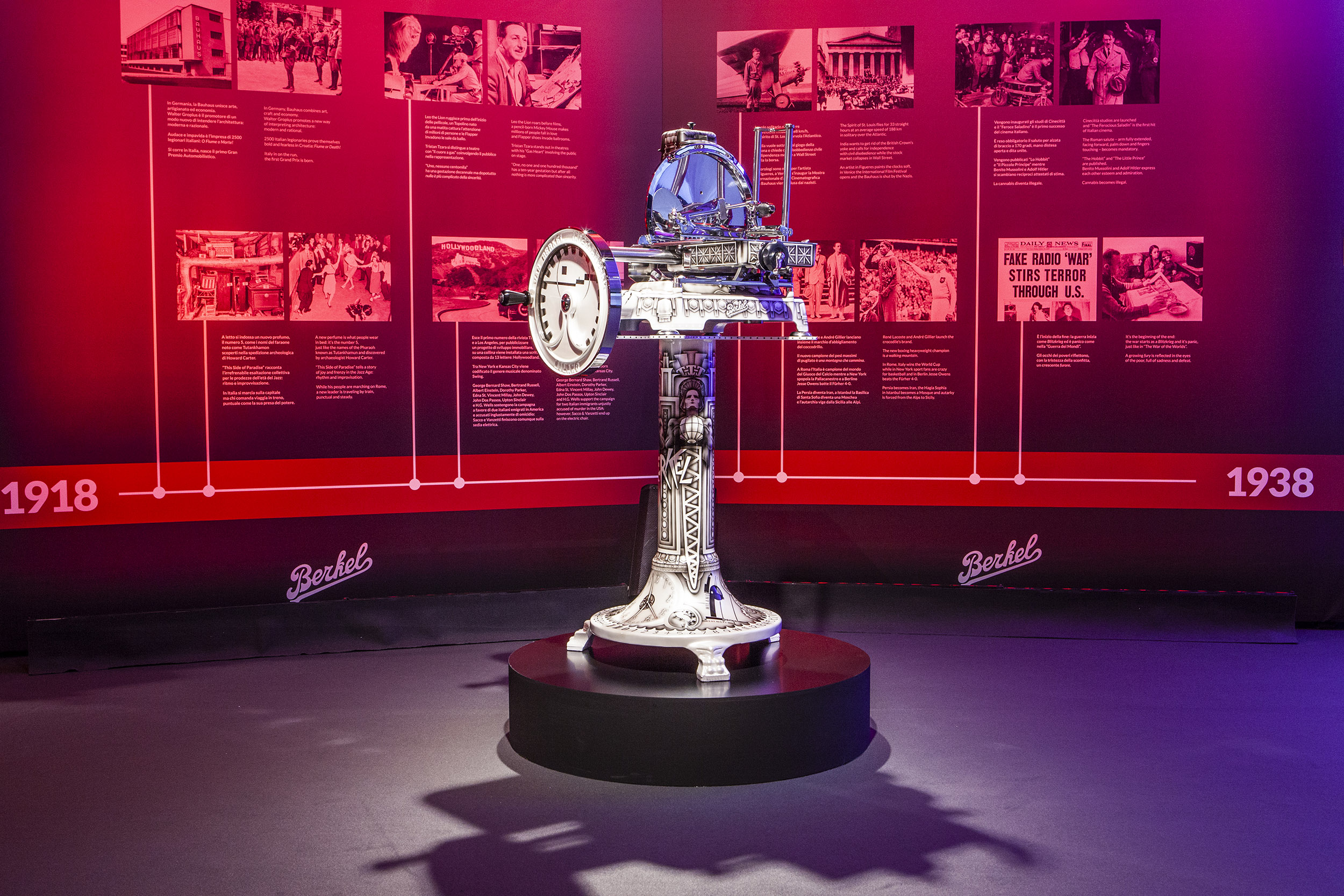
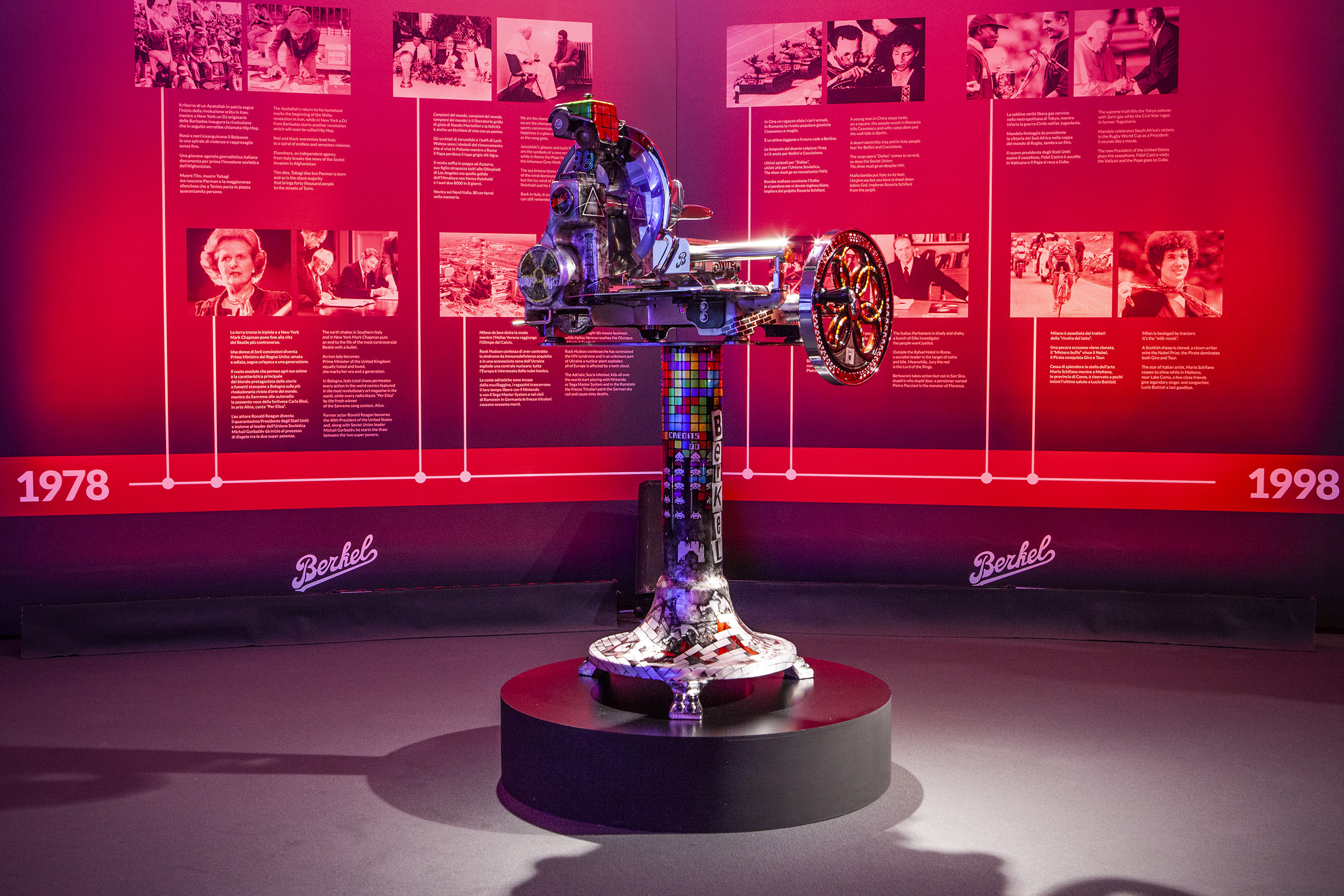
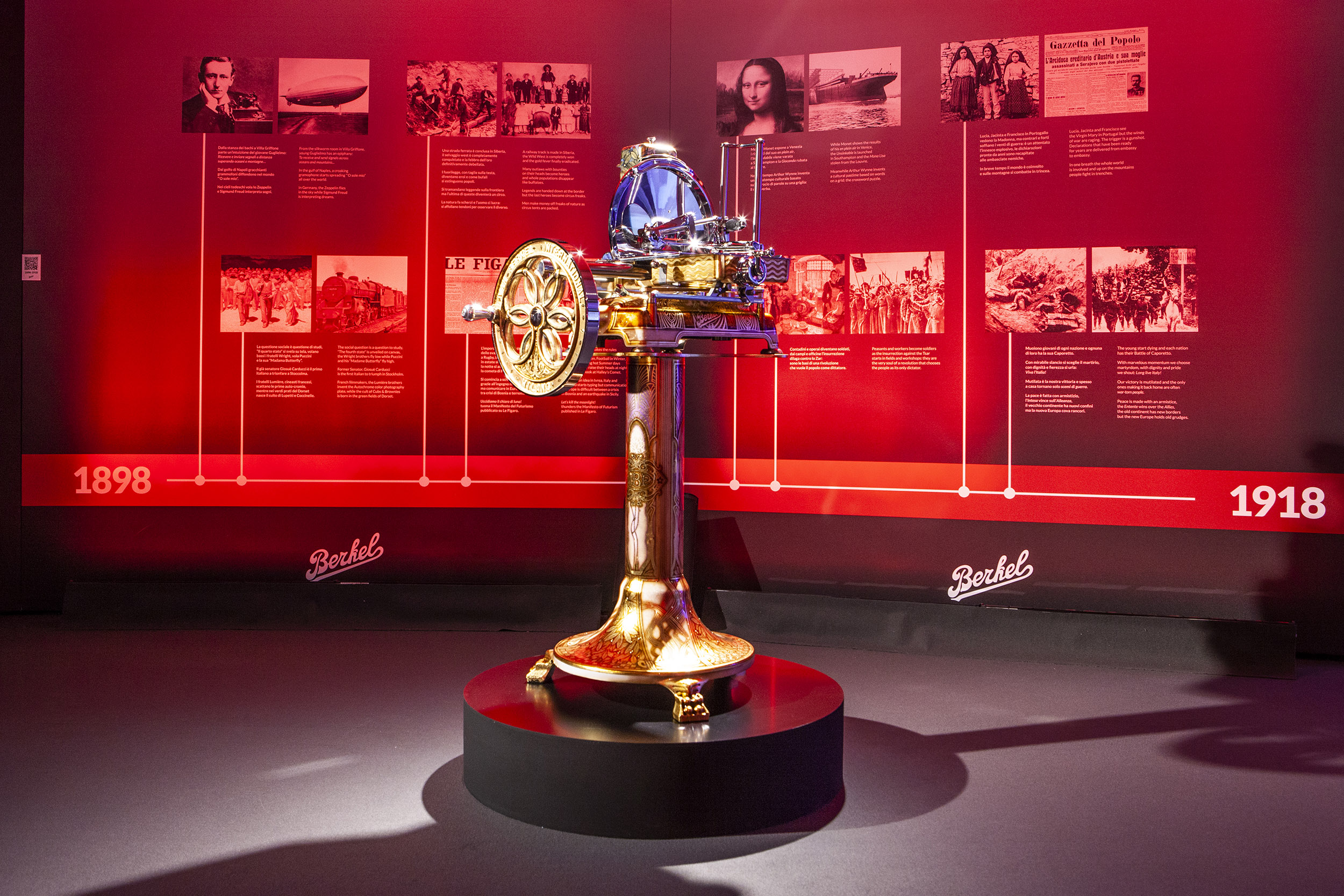
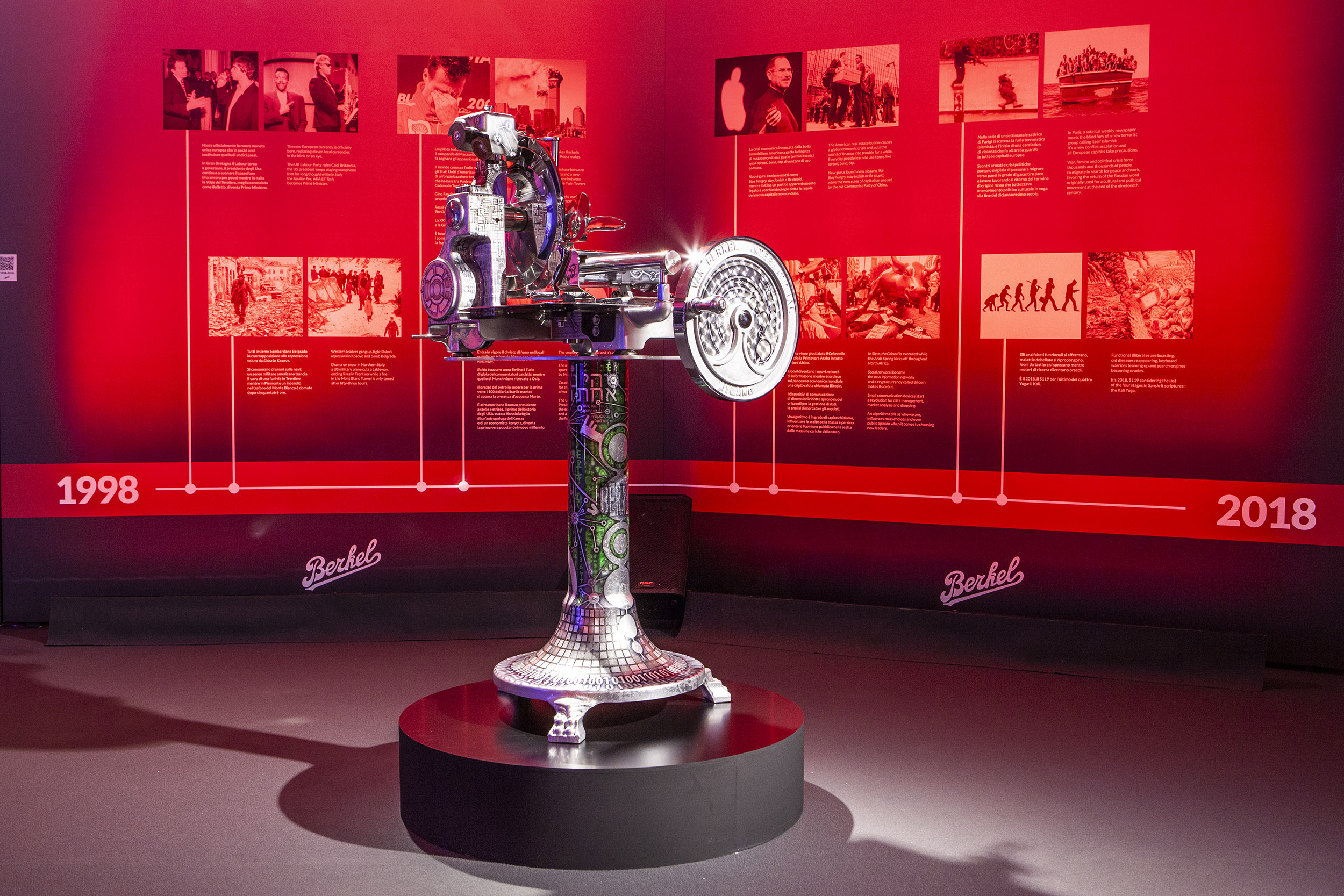
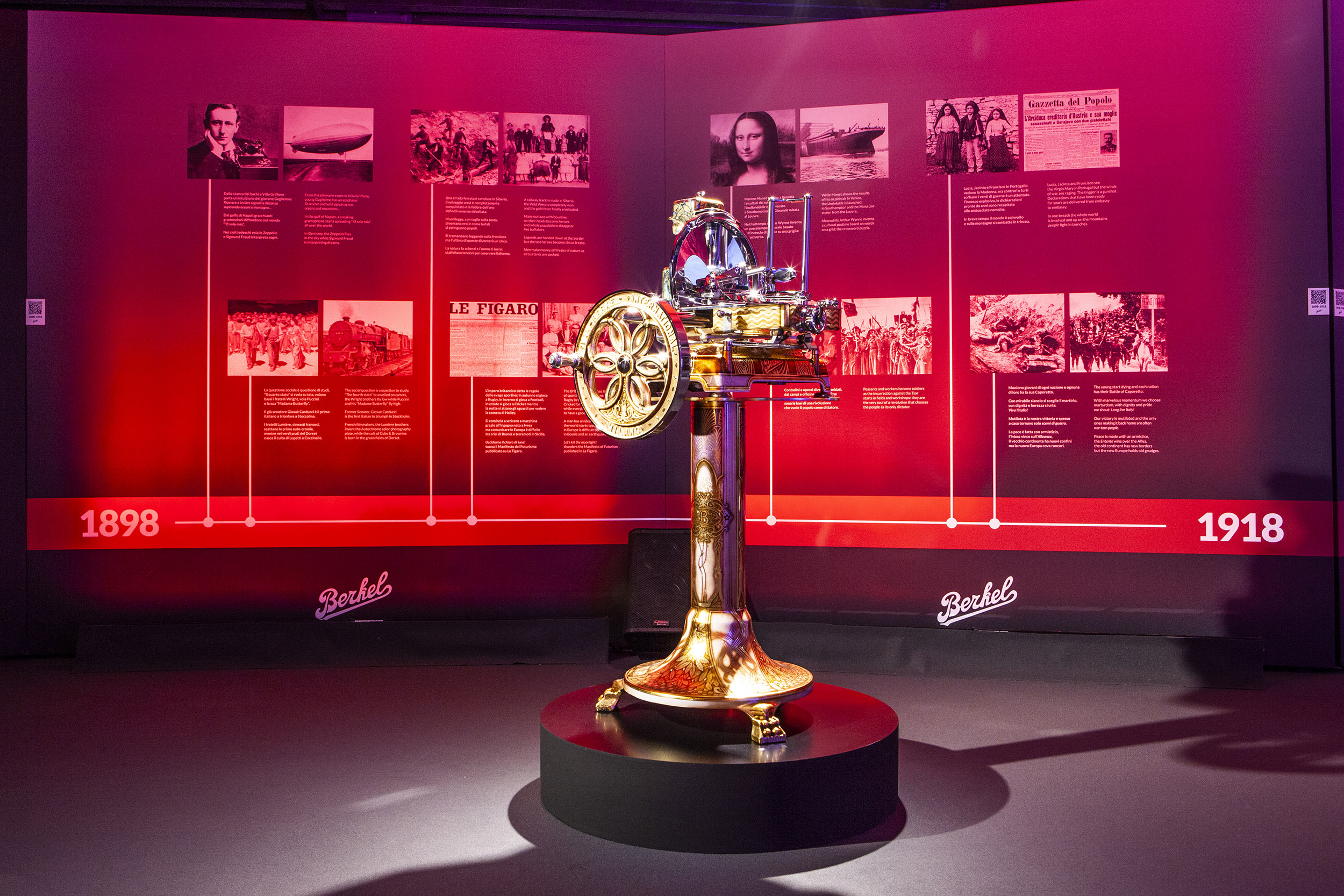
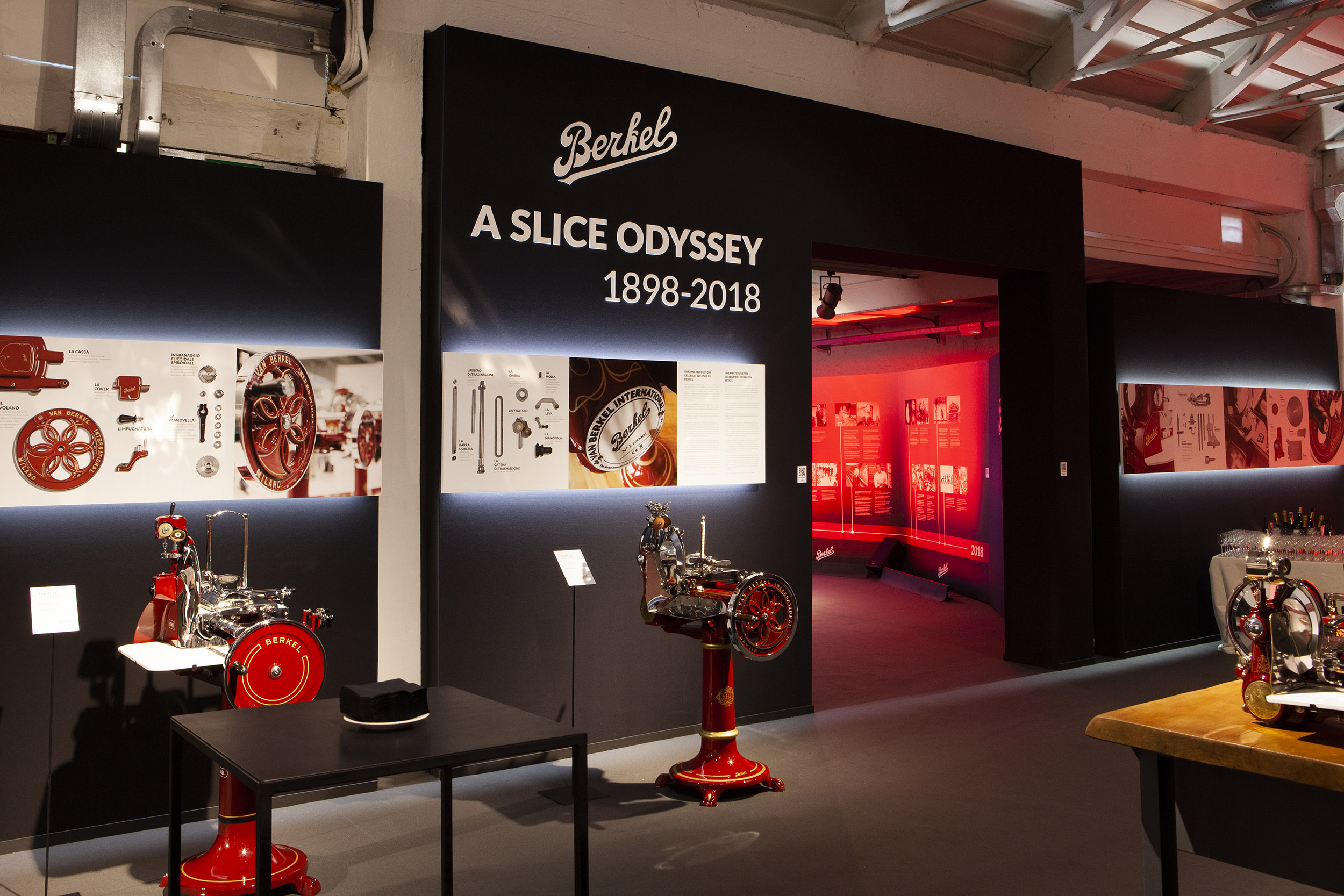
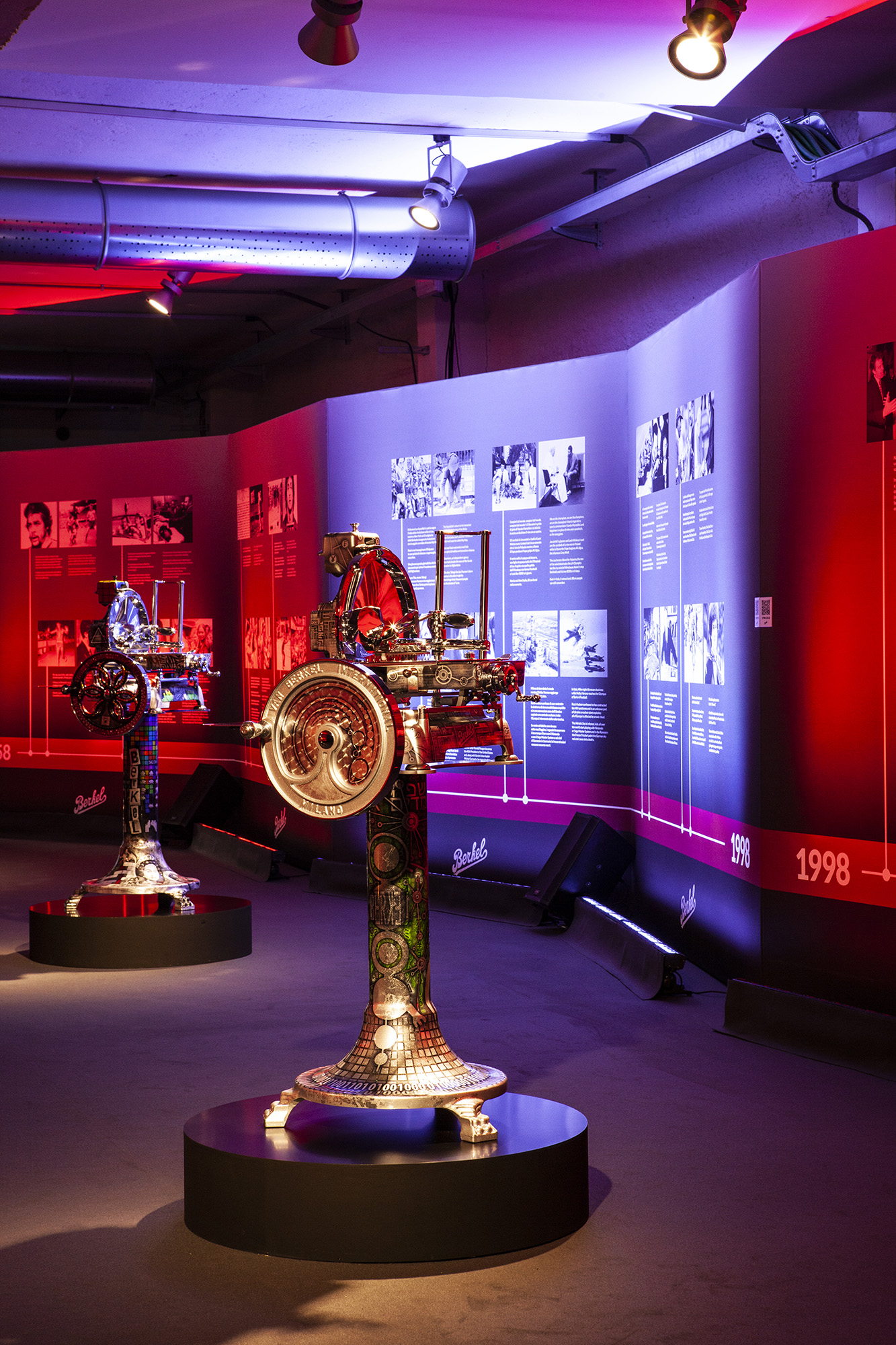
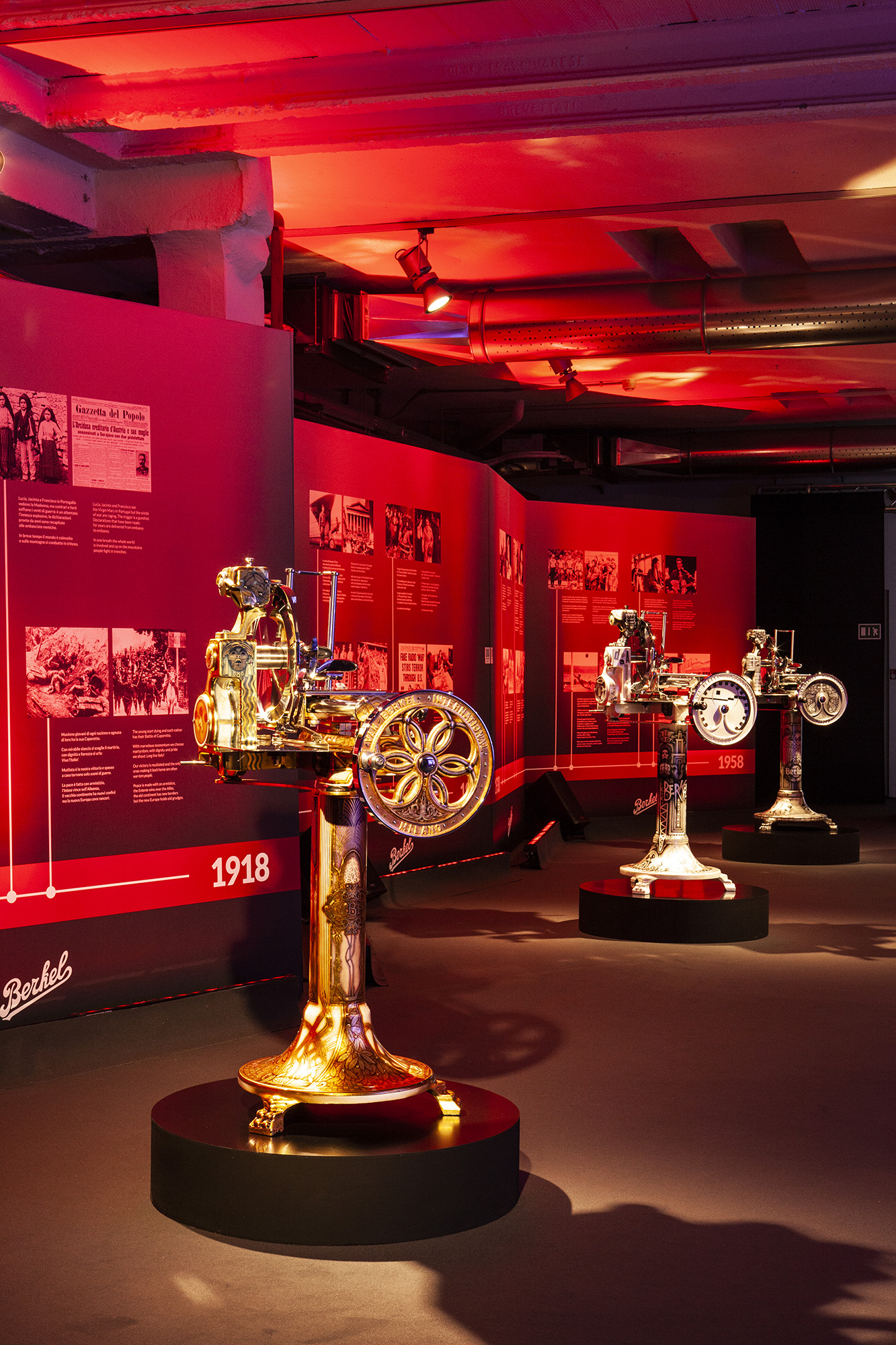
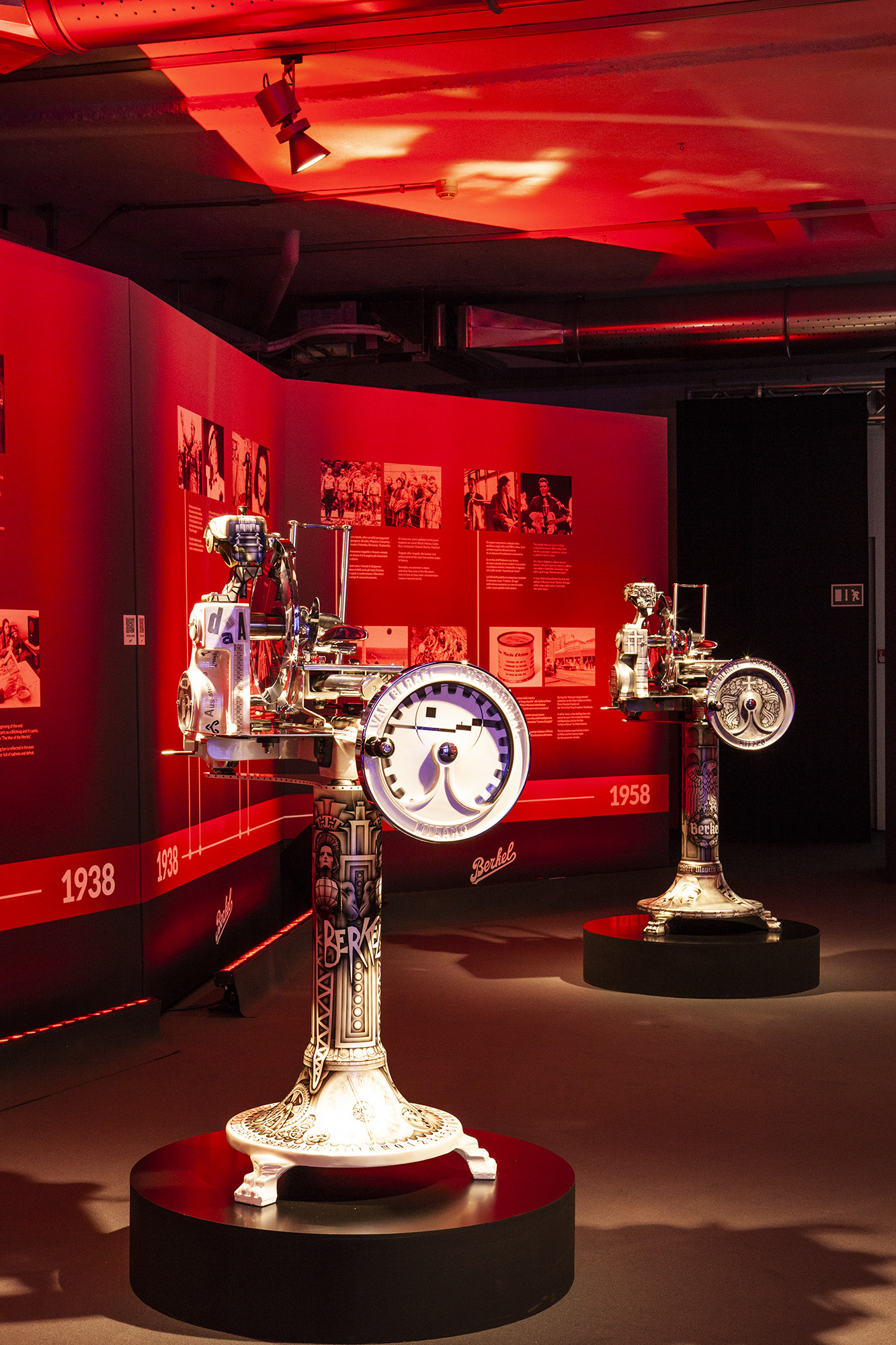
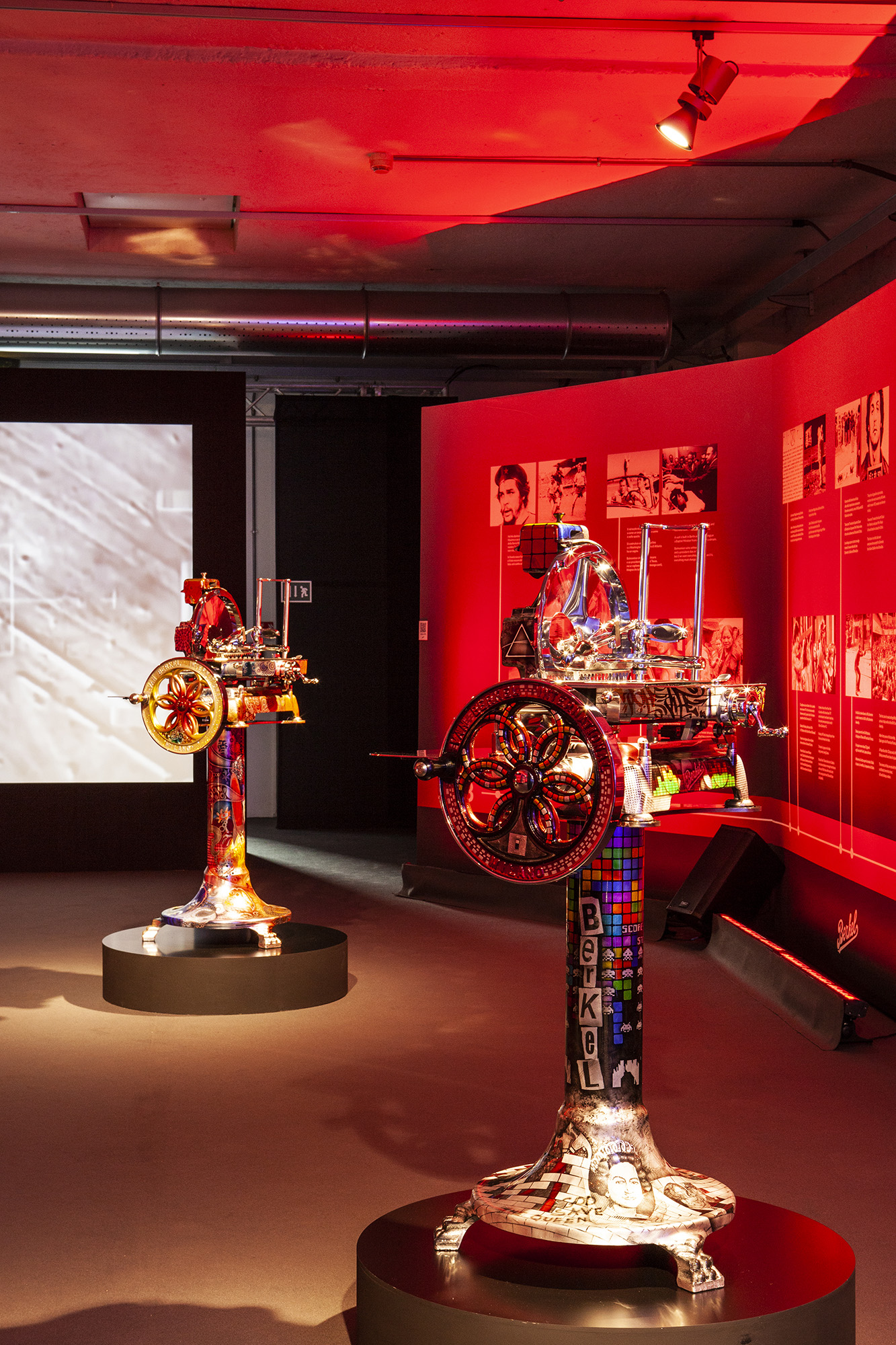
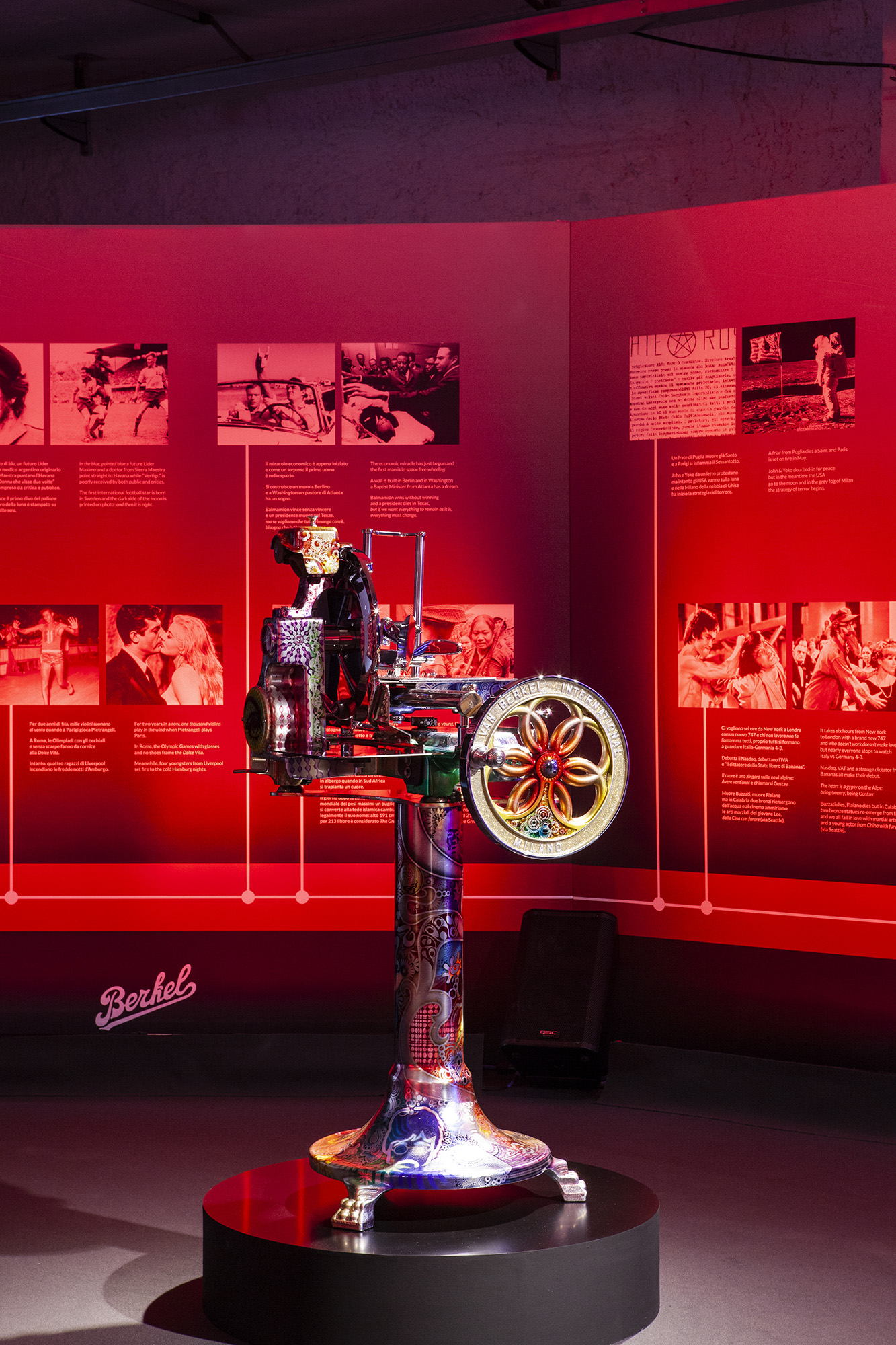
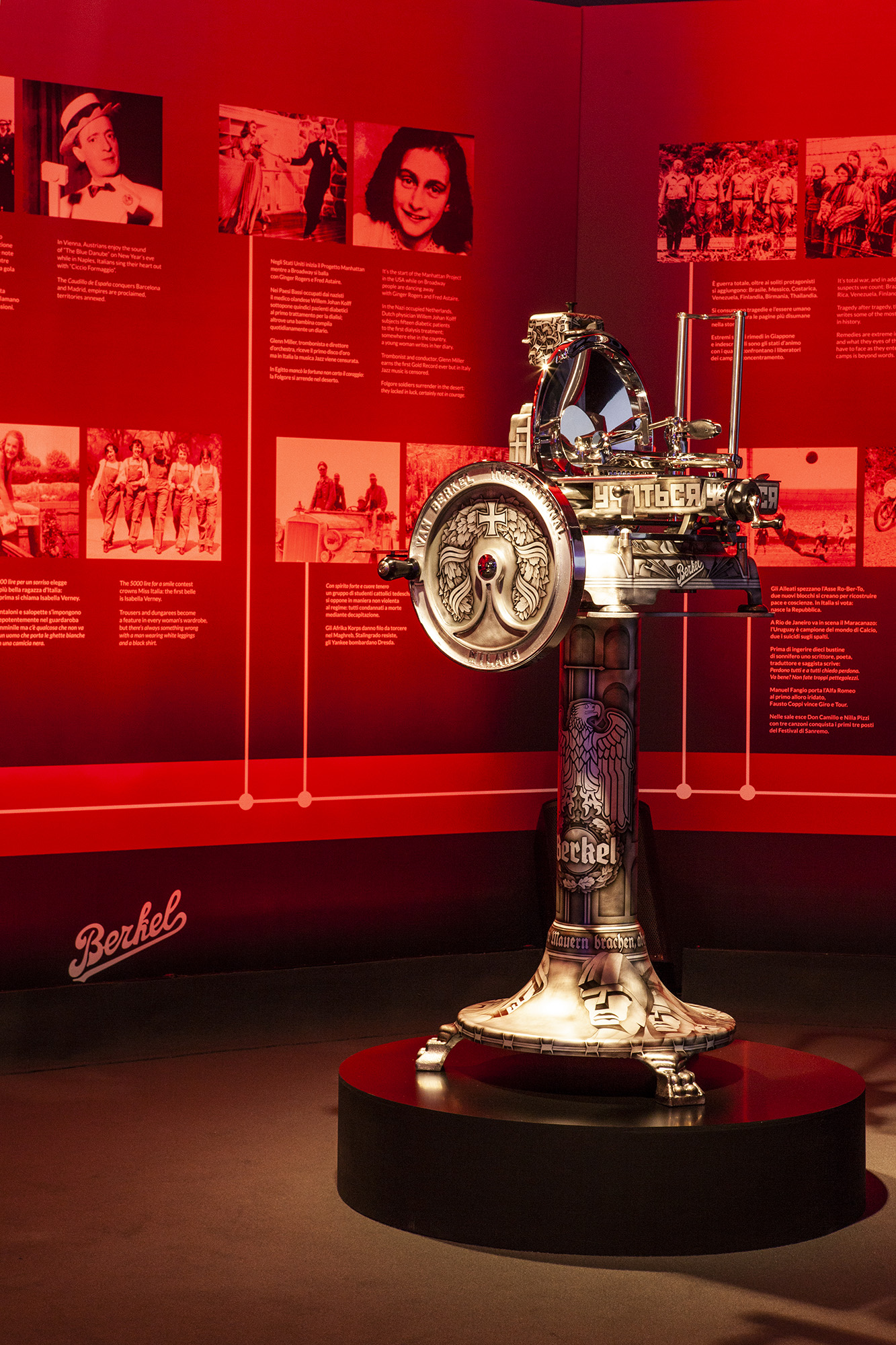
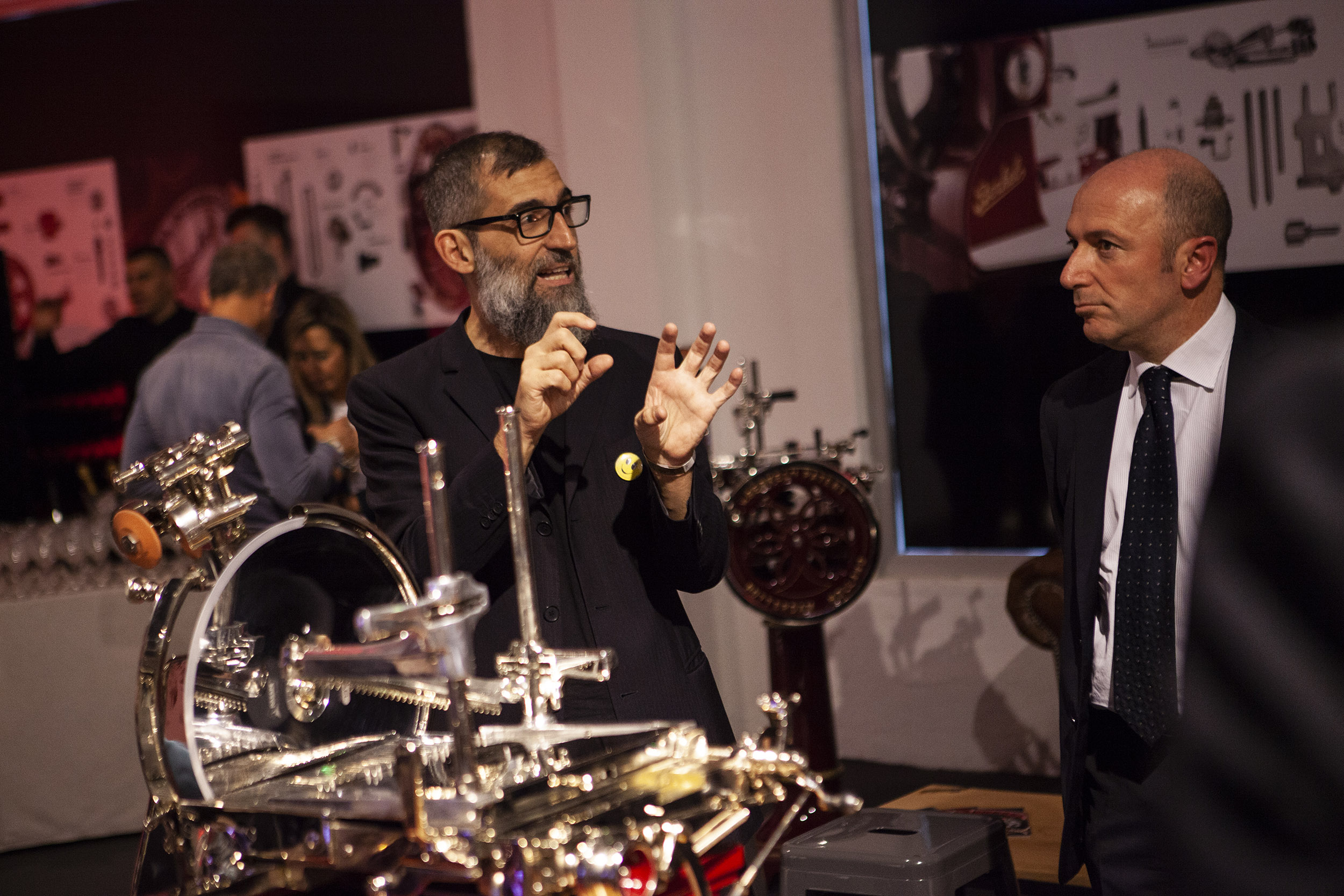
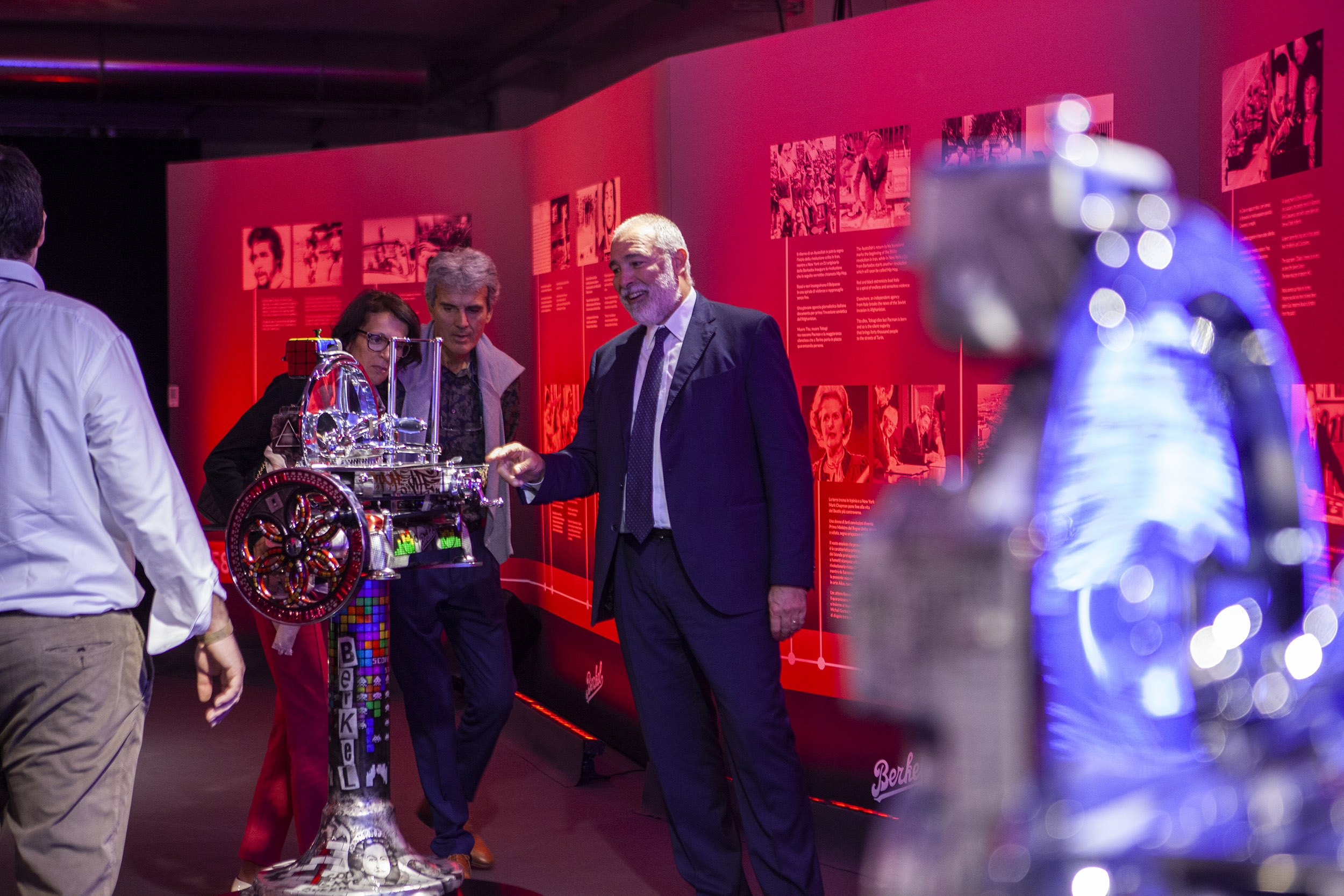
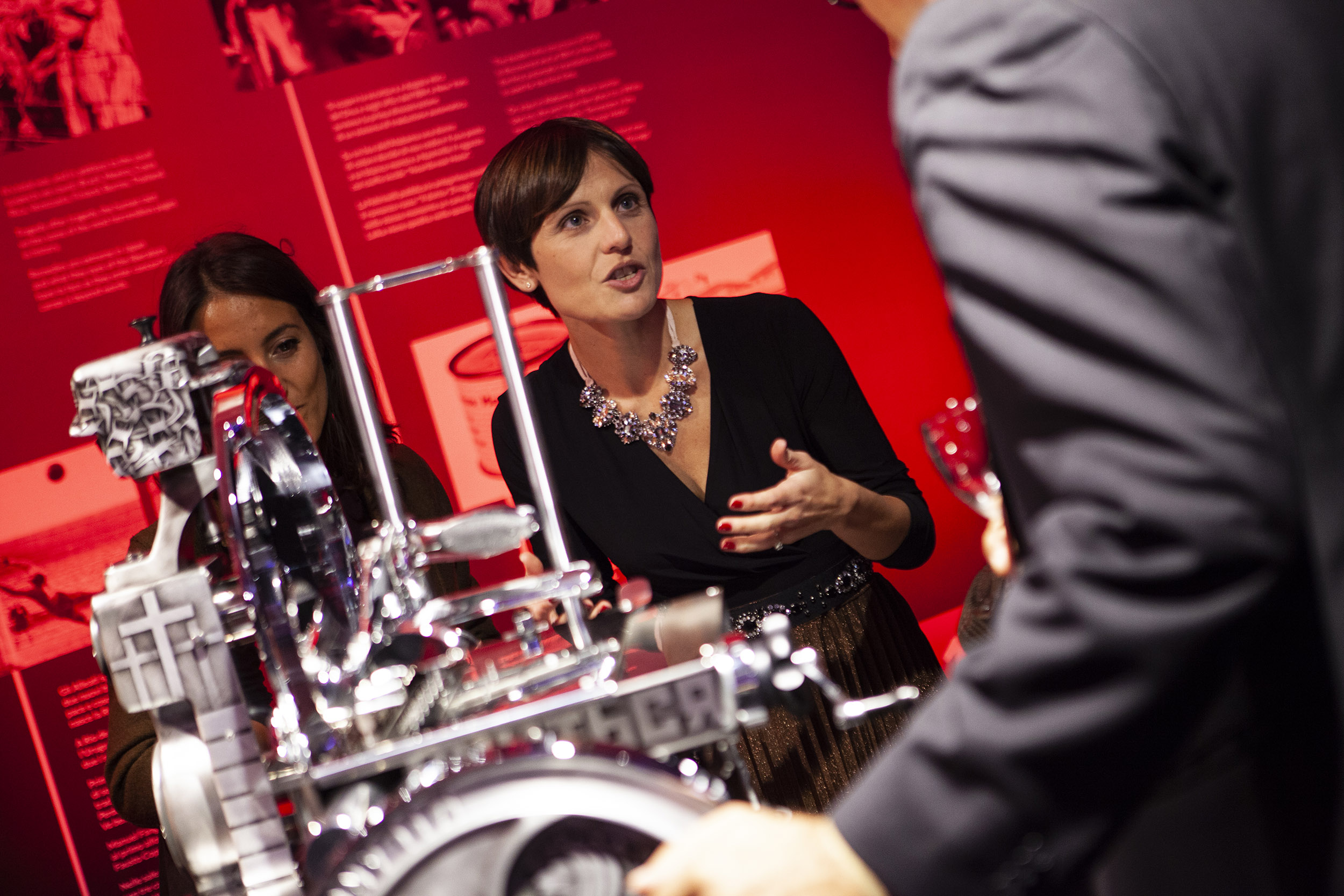
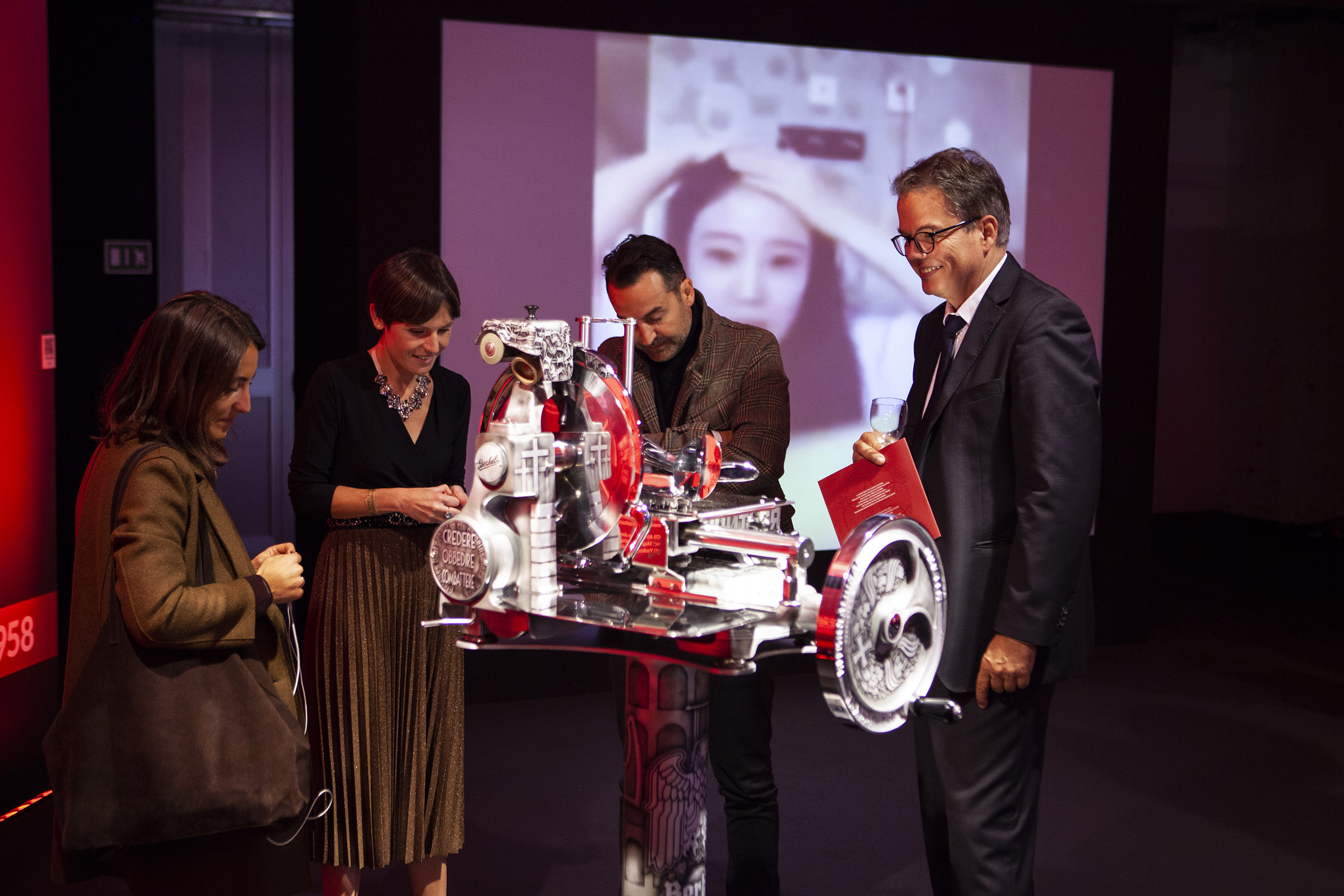
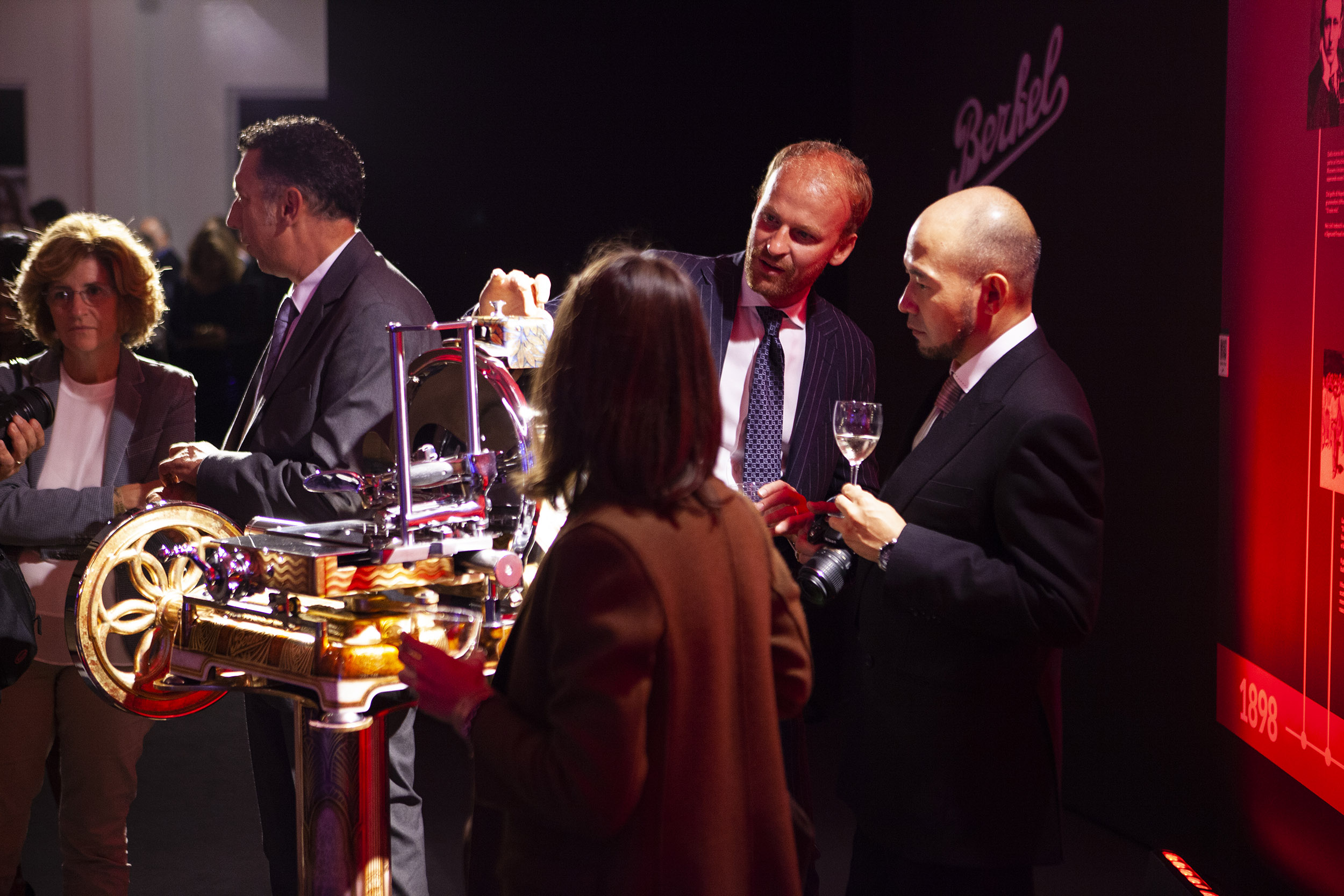
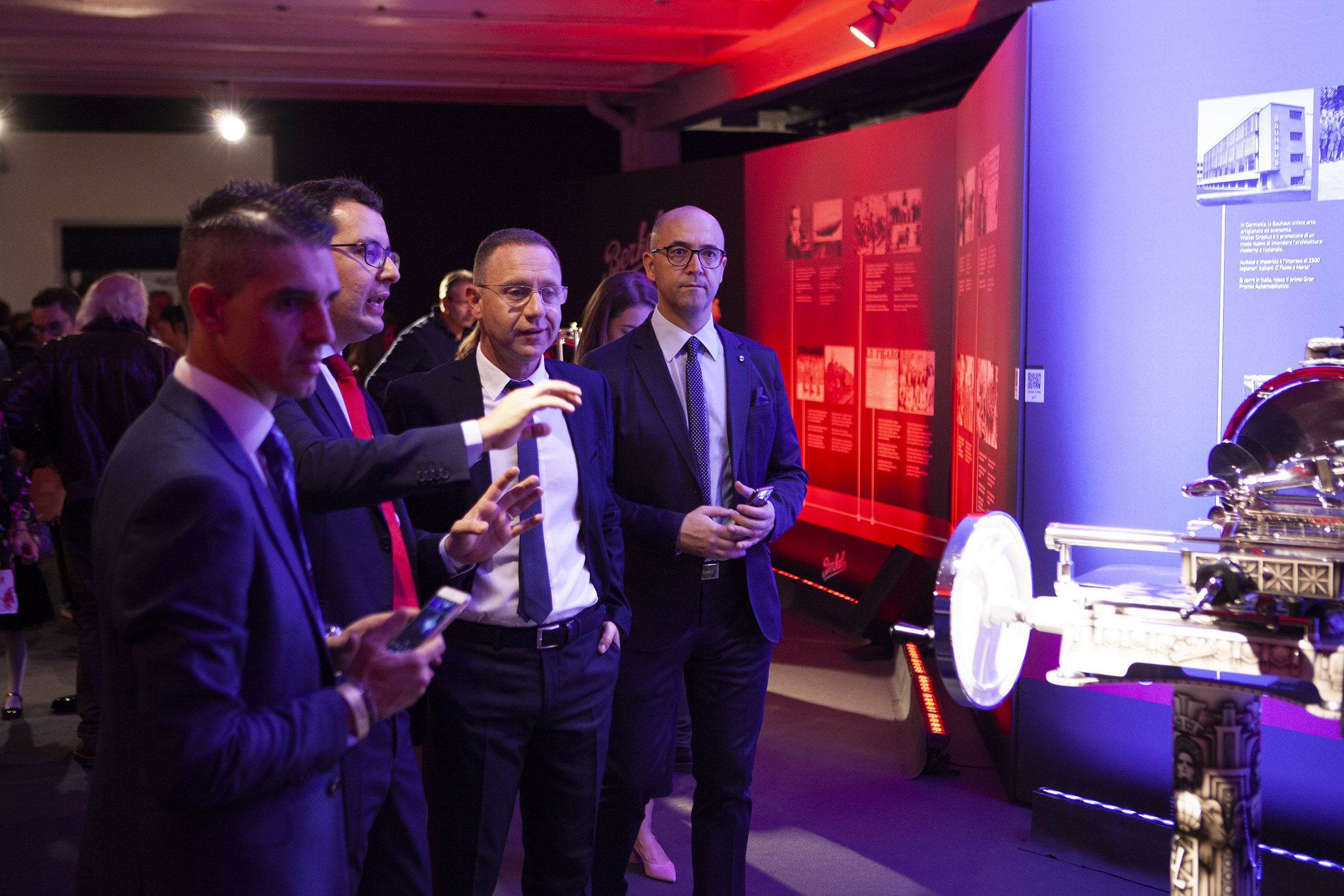
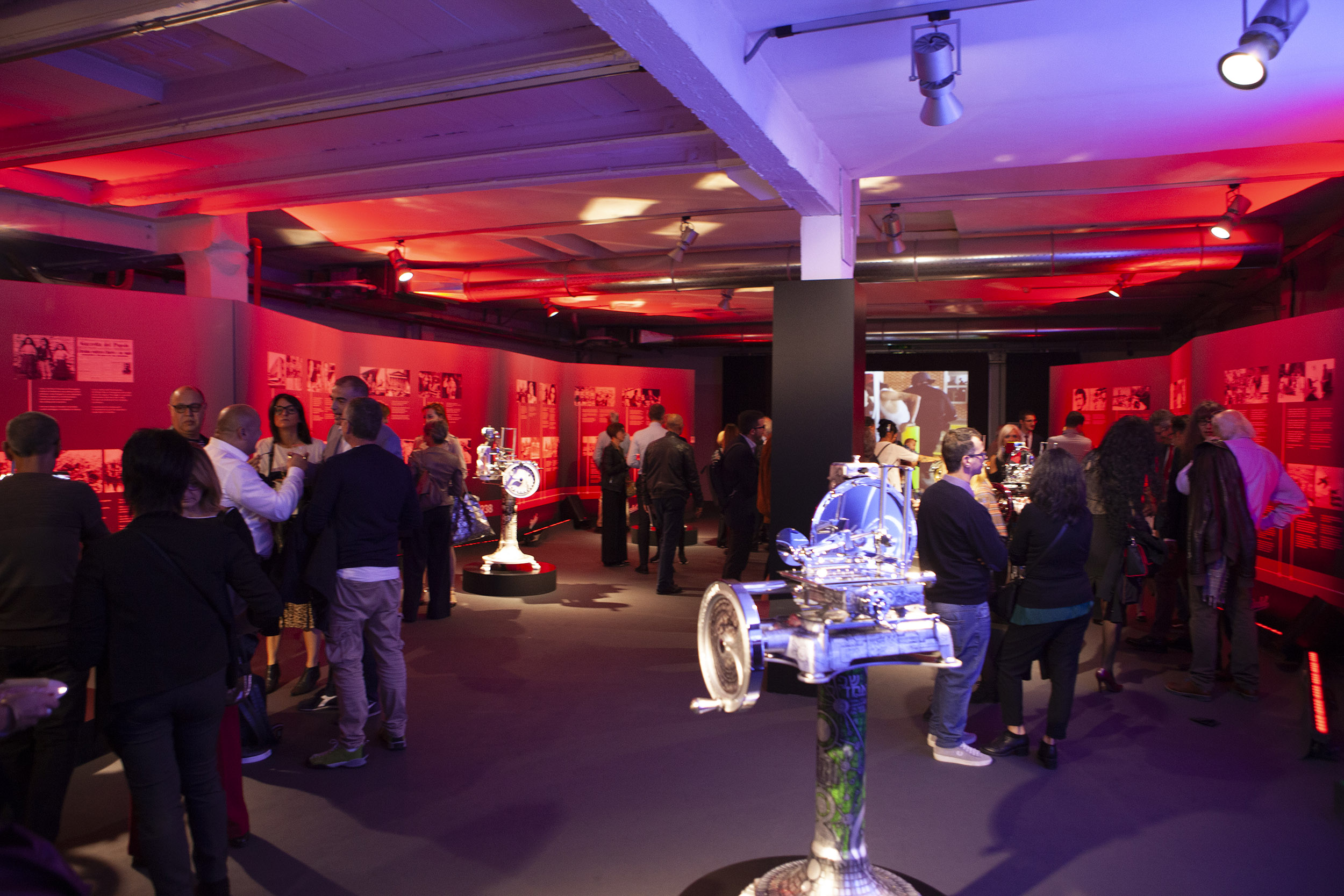
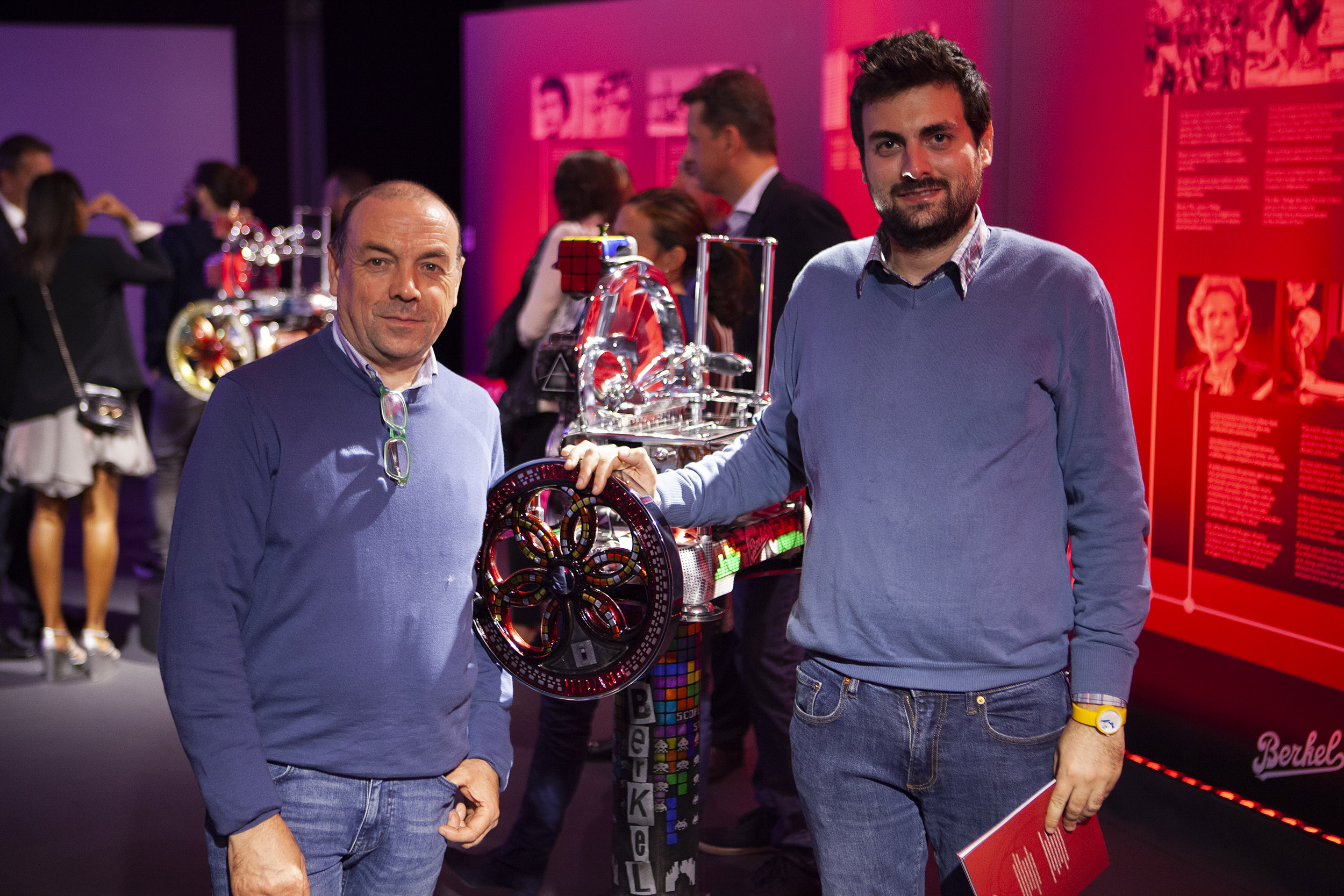
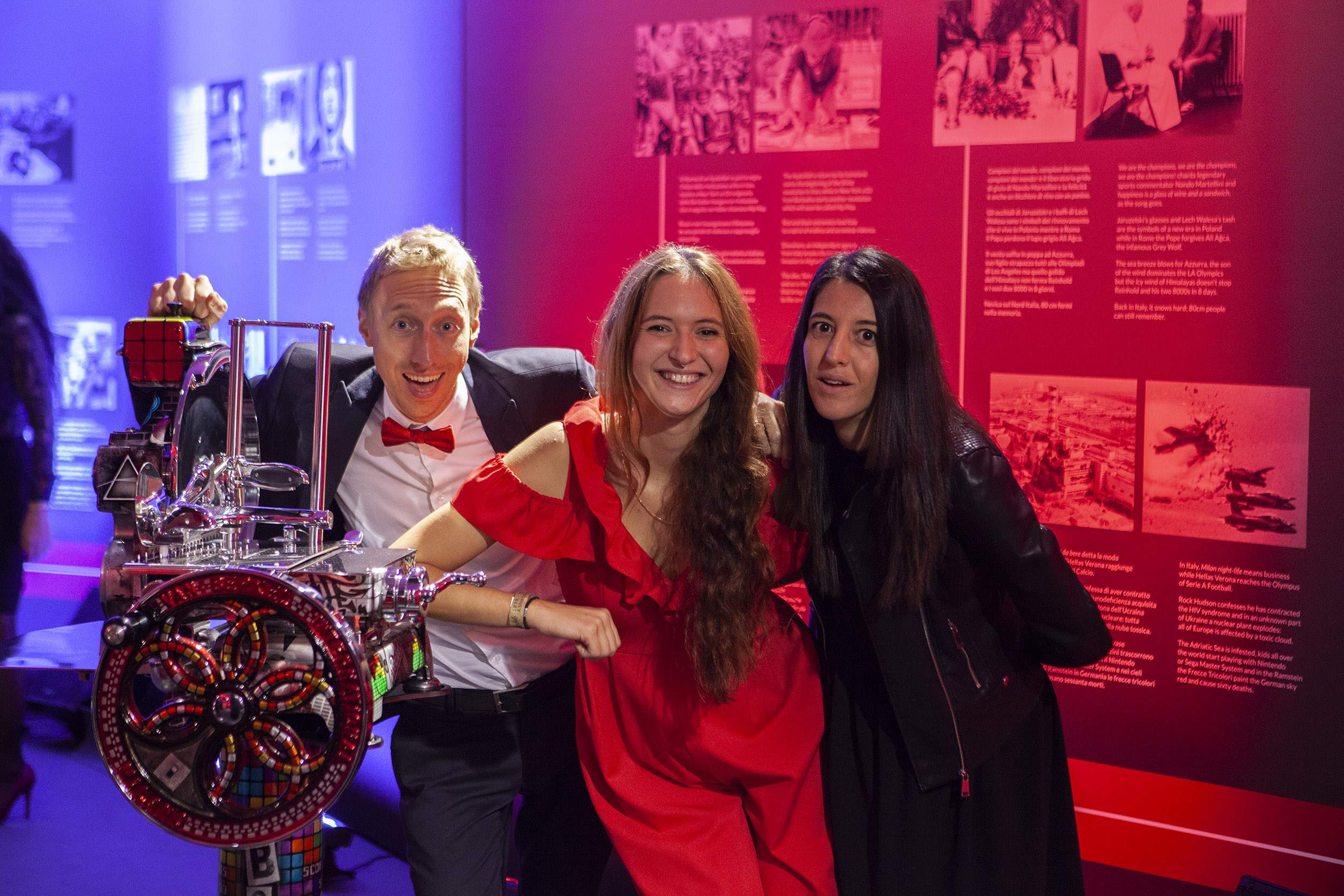
On the shell of the slicer - the same model decorated in six different versions - cultural and historical events are impressed in the shape of well and lesser known iconographic symbols or visual details to be spotted and deciphered.
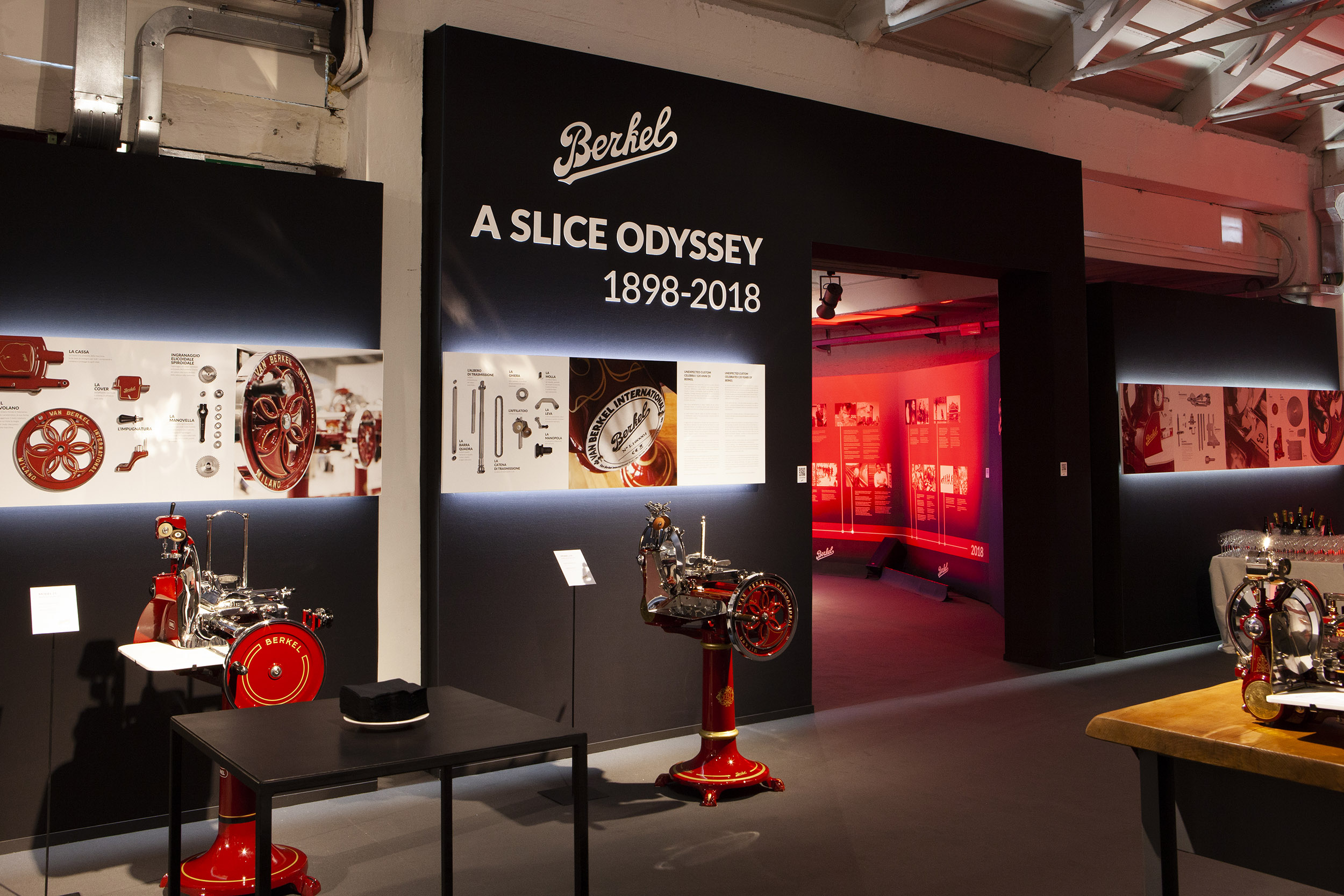
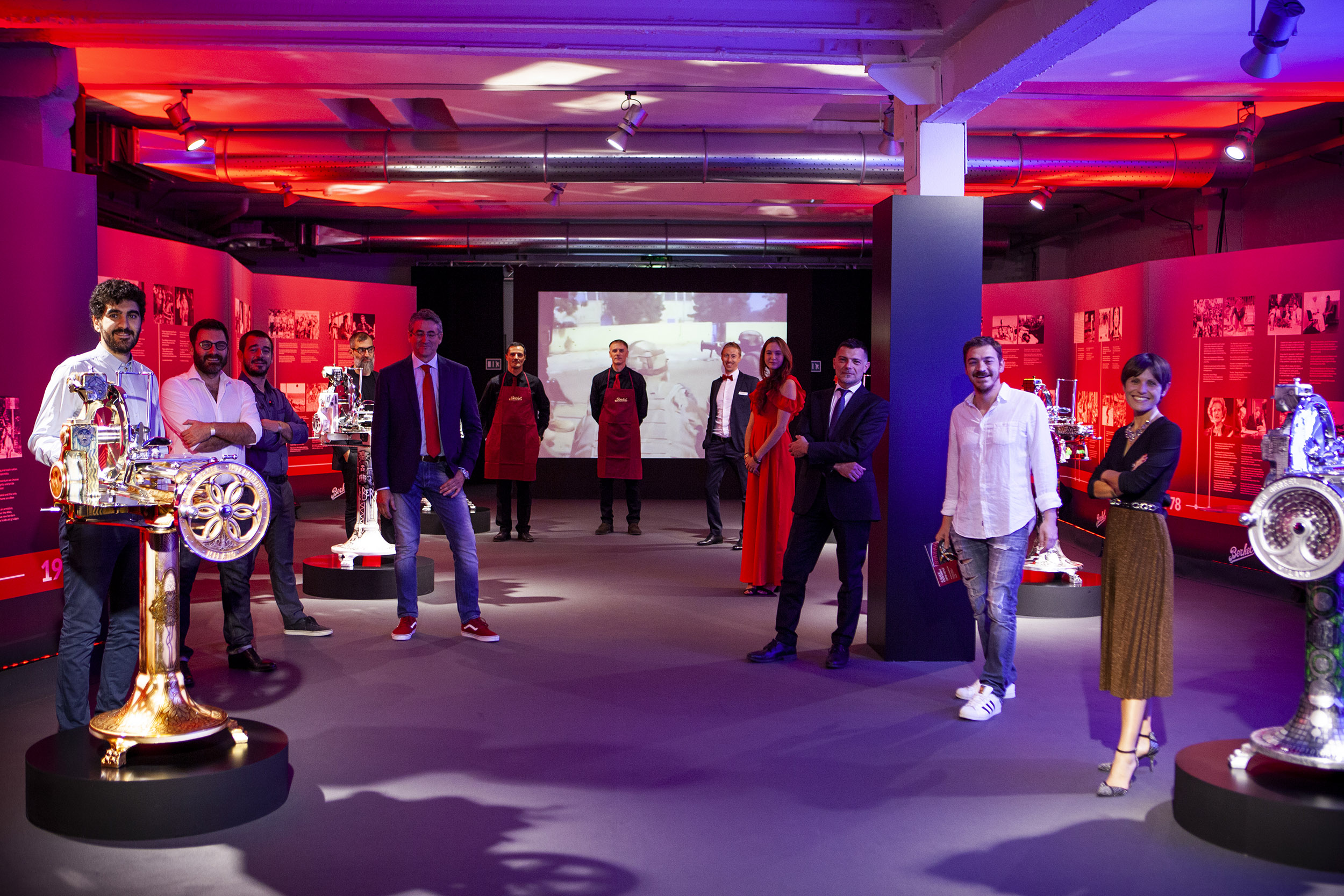
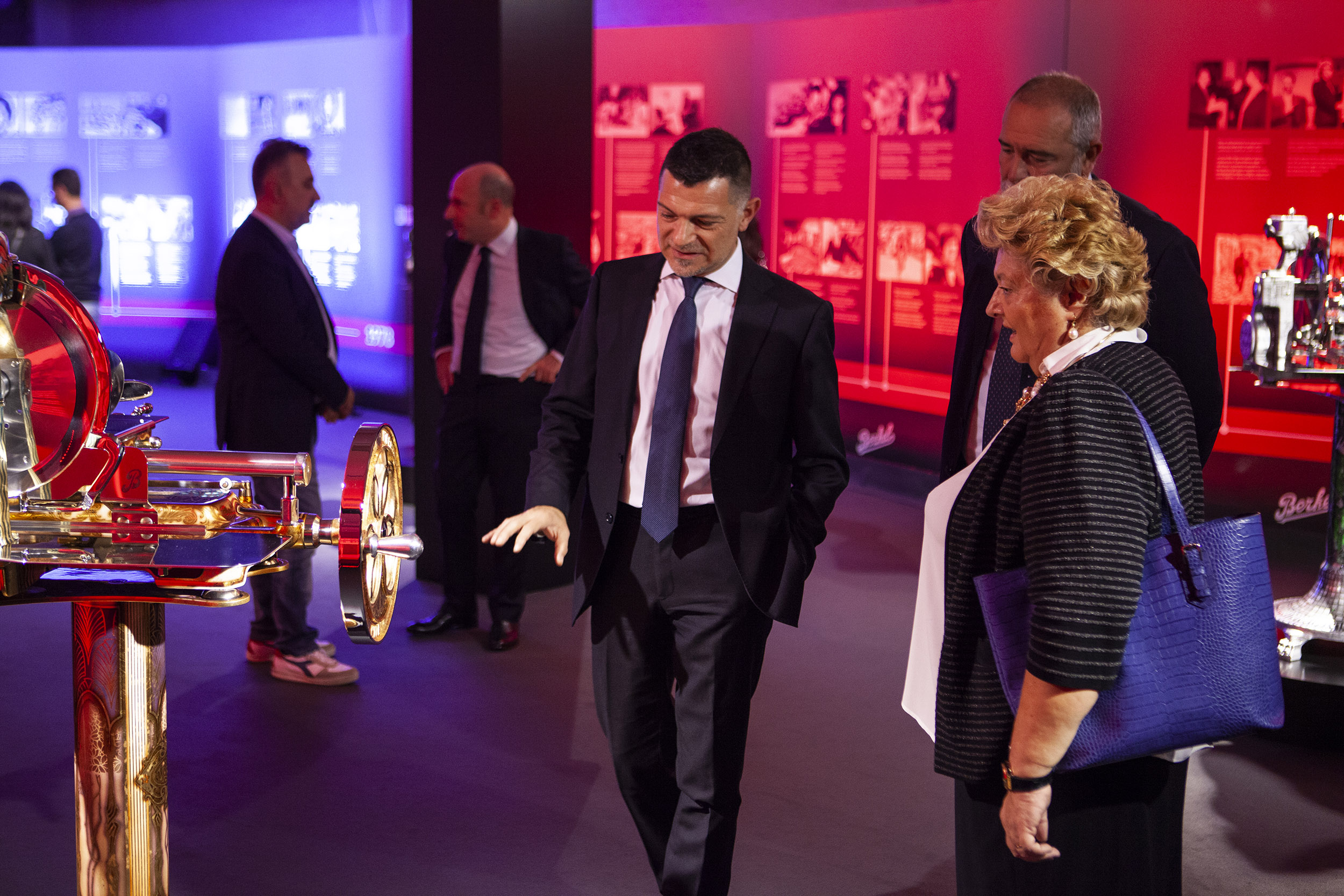
The pieces will be exhibited following a chronological progression in an installation where light, sound and video are designed to evoke memories both close and far away.
The location chosen for this exhibition is the National Museum of Science and Technology, an institution that was born in the city of the Politecnico as well as big factories to signify technology more than science. Situated a few steps from "The Last Supper", the museum was named after Leonardo da Vinci, who entered the Milanese court of Ludovico il Moro as a set designer and hydraulic engineer - excellent at "moving water from one place to another" - rather than as a painter.
Unexpected Custom is an artist group with roots in the Sezessionstil Vienna rather than Milan in the Renaissance or industrial time. Its point of reference is the Habsburg capital where Gustav Klimt, Egon Schiele and Otto Wagner broke away from Academia to devote themselves to Gesamtkunstwerk, the total work of art where architectural designing, painting, sculpting and decorating meet.
Today, at a time when art has drifted away from everyday life, becoming more and more inaccessible and incomprehensible in-siders' game, the Unexpected Custom artists resume the lesson of the "Wiener Werkstätte", the Viennese Workshops, and apply it to industrial products, turning them into unique pieces which arouse the "mirabilia" that generates a dialogue in clear antithesis with the silence of what's conventional.
A destiny reserved for the occasion to the B114 slicer by Berkel.